Understanding Xeriscaping: Essential Insights for Sustainable Gardening
Discover the principles and benefits of xeriscaping, a sustainable gardening technique designed for arid climates, ideal for regions like Sevilla.
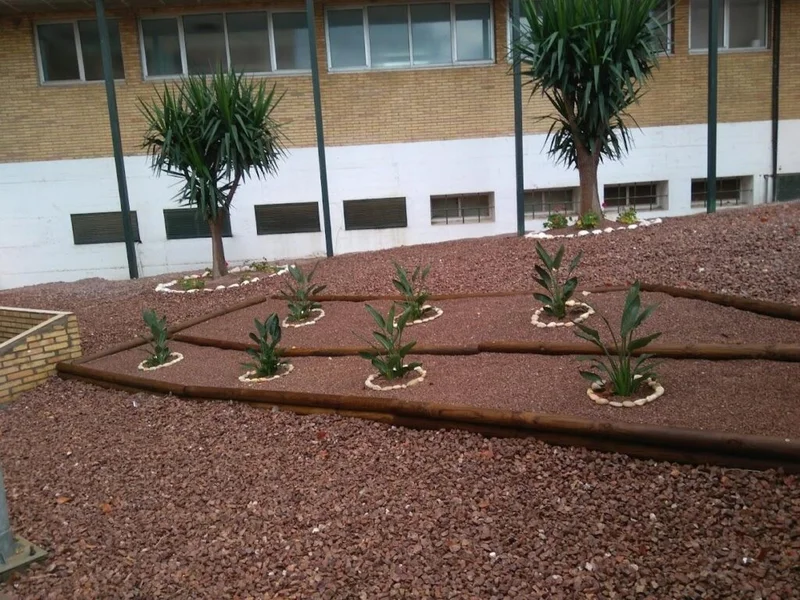
In today’s world, sustainability and resource efficiency have become crucial considerations for many, especially in the realm of gardening. One of the most popular approaches to achieve these goals is xeriscaping. But what exactly is xeriscaping, and how can it enhance your garden?
What is Xeriscaping?
Xeriscaping is a gardening technique tailored for dry or arid climates, focusing on the use of drought-resistant plants and strategies that minimize water usage. The primary aim is to design green spaces that consume water efficiently and sustainably, which is particularly important in regions like Sevilla, where the hot, dry climate poses ongoing challenges for water conservation.
This practice is grounded in several fundamental principles:
- Utilization of drought-resistant plants: Selecting species that thrive with minimal water significantly reduces the need for frequent irrigation.
- Efficient space design: Gardens are designed to maximize the natural conditions of the terrain, facilitating maintenance while conserving resources.
- Irrigation optimization: Implementing efficient irrigation systems, such as drip irrigation, is a key component of xeriscaping.
Benefits of Xeriscaping
Xeriscaping provides numerous advantages for both the environment and garden owners:
- Water conservation: By incorporating drought-adapted plants, the amount of water required to sustain the garden is drastically reduced, a critical factor in cities like Sevilla where summers can be extremely dry.
- Low maintenance: Gardens designed with xeriscaping principles demand less upkeep, saving time and effort for homeowners.
- Sustainability: By minimizing the use of resources such as water and chemicals, xeriscaped gardens have a reduced environmental impact.
- Long-lasting aesthetics: Drought-resistant plants are often more resilient to diseases and pests, helping keep the garden visually appealing for longer periods.
How to Implement Xeriscaping in Your Garden
If you’re keen on incorporating xeriscaping into your outdoor space, here are some practical tips to consider:
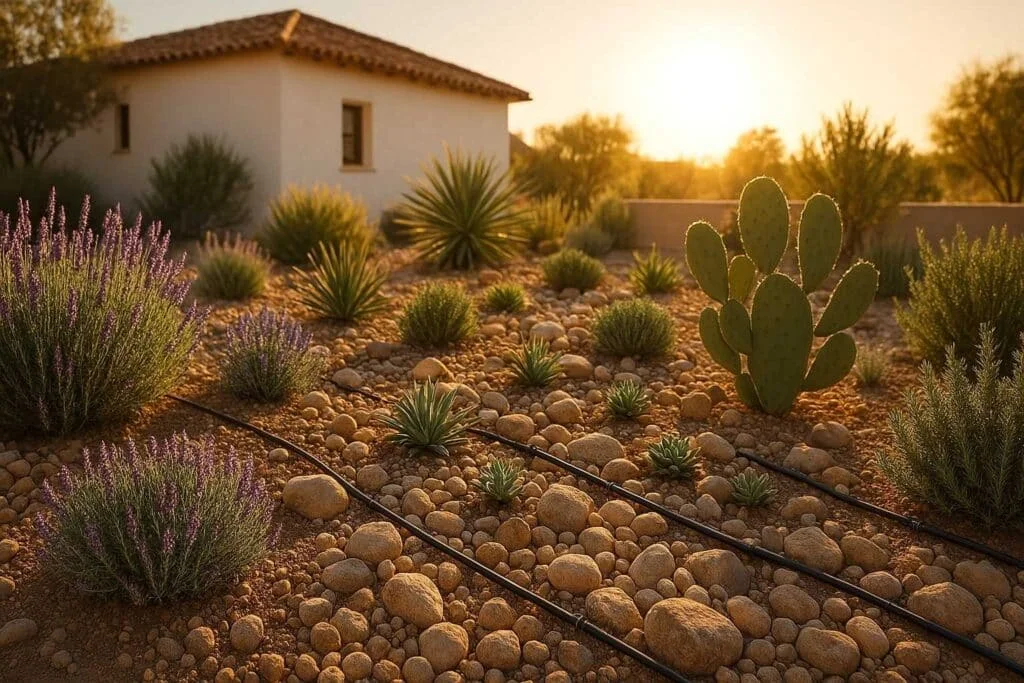
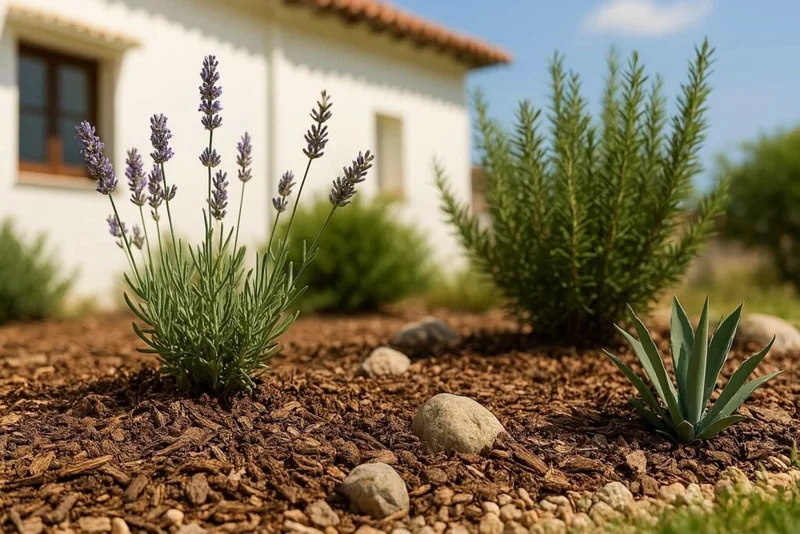
- Choose native plants: Native species in Sevilla are naturally more resilient to local climatic conditions and require less water. Plants like lavender, rosemary, and olive trees are excellent choices.
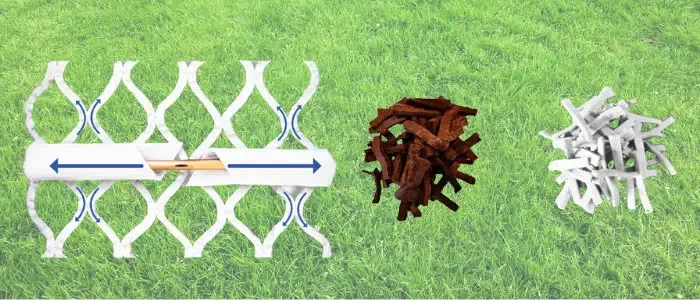
- Use mulch or ground cover: Covering the soil with organic materials such as bark or straw helps retain moisture, reduce evaporation, and maintain a more stable soil temperature.
- Optimize irrigation: Employ efficient irrigation systems, like drip irrigation, that deliver water directly to the roots of plants. This reduces water waste and ensures that plants receive the right amount of moisture.
- Incorporate rock gardens and stones: Adding elements like rock gardens not only enhances visual interest but also aids in moisture retention in the soil while decreasing the need for watering.
- Consider artificial turf: Instead of natural grass, artificial turf can be an excellent choice for areas that need coverage but where frequent watering is challenging.
Xeriscaping in Sevilla: An Ideal Solution
The hot, dry climate of Sevilla makes xeriscaping an ideal strategy for creating gardens that thrive with minimal water usage. With mild winters and scorching summers, maintaining a healthy, green garden can be quite challenging without appropriate measures.
In Sevilla, xeriscaping is not only an eco-friendly option but also a necessity. The combination of water scarcity and rising temperatures renders traditional gardening methods less viable. Here, the expertise of MasGarden Jardinería comes into play, focusing on sustainability and resource efficiency. Their team specializes in creating sustainable gardens in Sevilla, utilizing native plants and efficient irrigation systems.
Recommended Plants for Xeriscaping
Some of the best plants for xeriscaping include native species such as rosemary, lavender, olive trees, agave, and cacti. These plants are highly drought-resistant and can thrive with minimal water, making them well-suited for the local climate.
Combining Grass with Xeriscaping
Yes, it is possible to blend grass areas with xeriscaping techniques. For instance, you can replace sections of grass that require significant watering with drought-resistant plants while employing drip irrigation systems to optimize water use in the grass areas you wish to maintain.
What is Mediterranean Xeriscaping?
Mediterranean xeriscaping is a variant that emphasizes the use of native plants from Mediterranean regions, which are adapted to dry, warm climates. These plants require little water and are perfect for areas like Sevilla, where high temperatures prevail for much of the year.
What is a Xerophytic Park?
A xerophytic park is a green space that utilizes xerophytic plants—those adapted to water scarcity, such as cacti, succulents, and other drought-resistant species. These parks are not only visually appealing but also contribute to water conservation efforts.
What Does Xeriscaping Mean?
Xeriscaping is the English term used to describe the concept of xeriscaping. It refers to the practice of designing and maintaining water-efficient gardens using drought-resistant plants and techniques that minimize irrigation needs, such as mulching, efficient irrigation systems, and smart landscape design.