The Importance of Rainwater Harvesting in Gardening
Learn about the significance of rainwater harvesting in gardening, including its benefits, methods, and best practices for sustainable gardening.
The Importance of Rainwater Harvesting in Gardening
Rainwater harvesting is an essential practice for gardeners looking to conserve resources and enhance their gardening efforts. This method not only helps in reducing water bills but also promotes sustainable gardening practices.
Why Harvest Rainwater?
Utilizing rainwater for gardening has numerous benefits. It provides a natural source of water that is free from chemicals often found in municipal water supplies. This makes it especially beneficial for plants, as they thrive on pure, untreated water. Additionally, rainwater is typically at a temperature that is more suitable for plants compared to cold tap water, which can shock their systems.
How to Harvest Rainwater
Setting up a rainwater harvesting system can be straightforward. Here are the basic steps to get started:
- Choose Your Collection Method: You can use barrels, cisterns, or even a simple bucket to collect rainwater.
- Select a Suitable Location: Place your collection system under a downspout or in an area where it can easily capture runoff from your roof.
- Filter the Water: Consider using a filter to remove debris and contaminants from the water before it enters your storage system.
- Use a Pump: If necessary, install a pump to easily access the water for your garden.
Best Practices for Using Harvested Rainwater
When using harvested rainwater, keep these tips in mind:
- Watering Schedule: Use rainwater during the early morning or late afternoon to minimize evaporation.
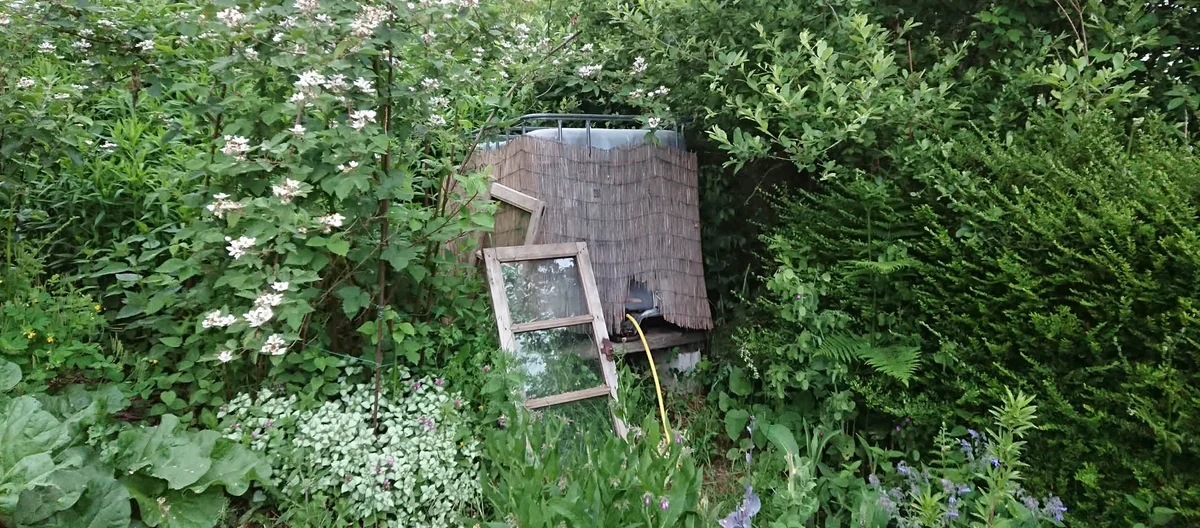
- Storage: Ensure your storage tanks are covered to prevent mosquito breeding and contamination.
- pH Levels: Test the pH of the harvested water to ensure it is suitable for your plants.
Conclusion
Incorporating rainwater harvesting into your gardening routine can significantly improve plant health while promoting environmental sustainability. By following simple steps to collect and utilize rainwater, gardeners can create a more self-sufficient and eco-friendly garden.