Guide to Olive Bonsai Care - Olea Europaea
Discover the essentials of caring for an olive bonsai, including watering, repotting, and pruning techniques for the Olea Europaea.
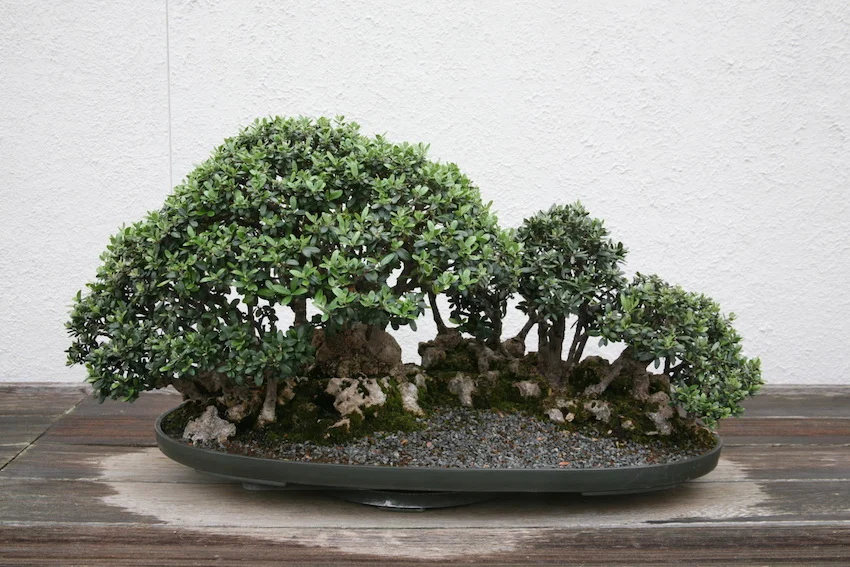
Olive Bonsai
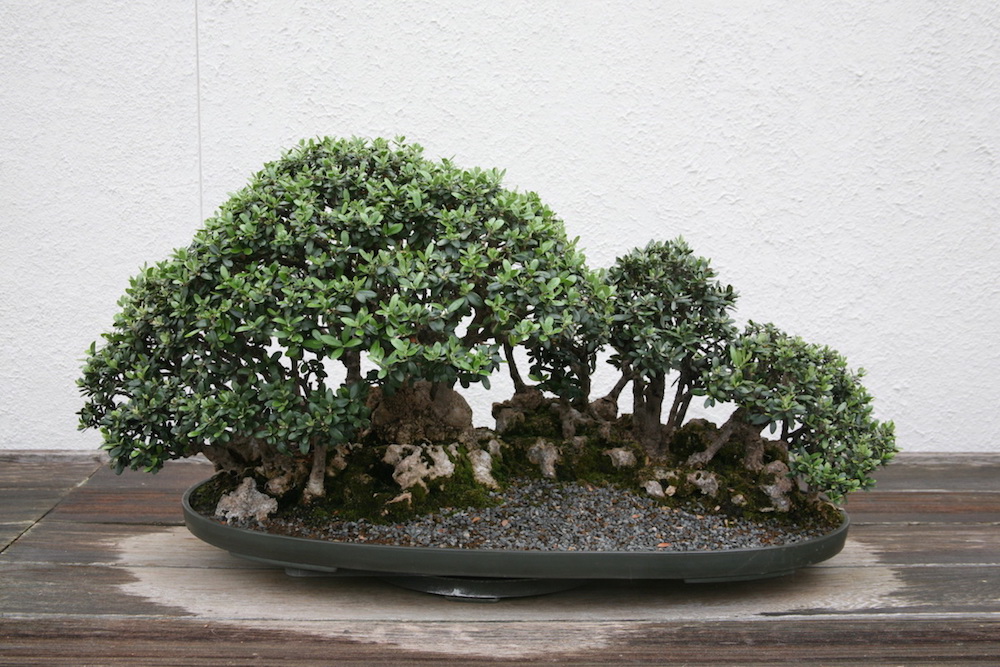
The olive bonsai, scientifically known as Olea Europaea, is a charming outdoor fruit bonsai that hails from the Mediterranean region. Renowned for its symbolism since antiquity, the olive tree is an integral part of Mediterranean culture. This resilient species not only tolerates severe pruning but also adapts well to a variety of climates, making it a popular choice for bonsai enthusiasts. Contrary to its reputation for slow growth, a well-watered and fertilized olive bonsai can thrive and grow at a commendable pace. In the summer months, it becomes particularly attractive with its fragrant white flowers and edible fruits, depending on the variety.
Overview of Olive Bonsai
General Information
- Family: Oleaceae
- Genus: Olea
- Common Name: Olive
- Species: Olea europaea, Olea europea sylvestris
- Origin: Mediterranean Basin
- Cultivation Difficulty: Easy
- Growth Rate: Medium; growth slows with age.
- Exposure: Full sun.
- Temperature Range: -5°C to 40°C
- Ventilation: Wind resistant.
- Propagation Methods: Seeds, cuttings, layering, or grafting.
Sunlight and Exposure
As a bonsai suited for outdoor cultivation, the olive tree requires full sun throughout the year. While it is a hardy species capable of withstanding various climatic conditions, it should be protected from frost during winter. When temperatures drop below 0°C, it is advisable to place the bonsai in a cold greenhouse or a sunroom.
Olive Bonsai Care
Watering the Olive Bonsai
Olive bonsai are sensitive to overwatering and can handle slight droughts. In their natural habitat, olive trees are accustomed to dry spells. However, when cultivated as bonsai in a small pot with limited soil, it is crucial to keep the soil moist but not overly saturated.
The frequency and amount of watering depend on the substrate and the season. Younger bonsai will require more frequent watering compared to established ones.
During the summer, it is best to water in the morning or early evening and avoid misting to prevent leaf burn.
Watering Frequency
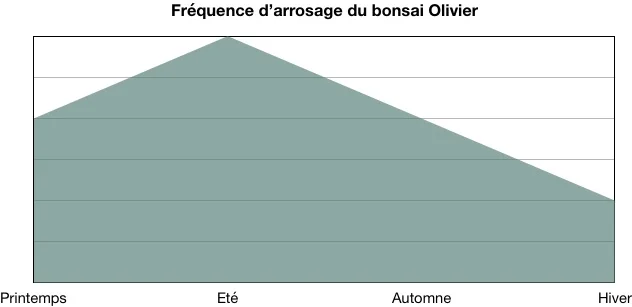
Watering Tips:
- Prefer rainwater over tap water, which often contains lime. If using tap water, allow it to sit for a few days in a watering can or filter it using a Brita pitcher.
- Avoid automatic watering; check if the bonsai truly needs water before applying. A soil tester can be a helpful investment.
- Water your bonsai with room temperature water.
- Do not soak your bonsai; this method should only be used in cases of severe drought.
Repotting and Substrate
Repotting should take place in spring every 3 to 5 years. Since the olive tree grows slowly, it can remain in the same pot longer than other species. During repotting, it is advisable to trim one-third of the roots and transfer it to a larger pot if necessary.
The olive bonsai thrives in a well-draining and airy substrate. An ideal mix includes akadama, pumice, and coarse sand. For beginners, using 100% akadama can simplify the process while gaining experience with bonsai care.
Steps for Repotting:
- Remove the bonsai from its pot. If it is stuck, cut the anchoring wires with wire cutters.
- Remove all substrate and gently untangle the roots using a chopstick or root rake.
- Trim the larger roots to encourage new feeder roots.
- If necessary, select a larger pot and place a drainage screen over the holes.
- Add a layer of pumice or coarse akadama at the bottom for drainage. If unavailable, gravel can be used.
- Cover with a thin layer of substrate and position your bonsai in the pot.
- Fill any gaps with substrate and compact it gently with your fingers or a chopstick. Add more substrate if needed.
- Finally, water your bonsai thoroughly.
Repotting Advice:
- After repotting, wait 15 days before fertilizing your bonsai, especially after root pruning.
- Generally, a bonsai should be repotted when the substrate no longer drains effectively.
Fertilization
In a small pot with limited substrate, the bonsai lacks essential trace elements for growth. Therefore, it is necessary to provide nutrients through organic fertilizers to promote healthy development.
For the olive bonsai, fertilization should occur from early March to late October using a slow-release organic fertilizer (such as Biogold). If using a liquid fertilizer, adhere to the manufacturer's instructions and consider halving the recommended dosage.
Fertilization Tips:
- Do not fertilize a bonsai that is not in good health.
- Wait three weeks before fertilizing a recently repotted bonsai.
- If you notice elongated internodes or enlarged leaves, reduce or cease fertilization.
Pruning and Wiring
Structural Pruning
Structural pruning should be carried out in March-April, just before the growth season resumes. Pruning in winter may halt the tree's growth and weaken it. If making significant cuts, consider applying a sealant, as the olive tree does not heal well.
Maintenance Pruning
Similar to the Chinese Elm, the clip and grow technique works effectively with the olive. Maintenance pruning can be done from March to November. Being a resilient tree, the olive can handle substantial pruning, so feel free to remove excessively long branches or overly large leaves.
Wiring
Wiring is possible on the olive but should be done sparingly on older branches, as the wood becomes brittle with age. It is best to wire the bonsai in February/March when the branches are still green and flexible. The olive wood marks easily, so it is crucial not to leave the wiring on for more than three months.
Acquiring an Olive Bonsai
Variety Selection
To obtain an olive bonsai, you have several options. You can purchase a wild olive or buy directly from an olive producer. However, wild varieties are often more aesthetically pleasing, featuring rougher bark, smaller leaves, and a less rigid form.