Bonsai Chinese Elm - Ulmus parvifolia - Care Guide
Discover essential tips for caring for your Bonsai Chinese Elm (Ulmus parvifolia), including watering, repotting, pruning, fertilizing, and how to address leaf loss.
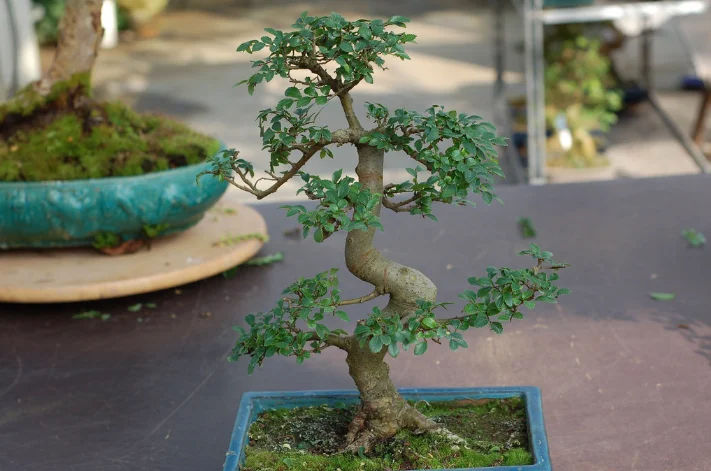
Bonsai Chinese Elm
Ulmus parvifolia, commonly known as the Chinese Elm, is a widely recognized species in the bonsai community. This tree belongs to the Ulmaceae family and is native to the northern and central regions of China, as well as Taiwan, Korea, and Indonesia. The Chinese Elm is distinguished by its naturally small leaves, although it is often mistaken for various types of Zelkova, which are also part of the same family.
Despite its tropical classification, the Chinese Elm adapts well to temperate climates, provided the bonsai is properly acclimated. Similar to the Ficus bonsai, the Chinese Elm is a popular choice in nurseries and garden centers. It is particularly suitable for beginners, as it is a robust and vigorous species that can tolerate some minor care mistakes.
Location and Temperature
The Chinese Elm is a subtropical species that thrives in temperate climates and is well-suited for bonsai cultivation. It can withstand temperatures ranging from -5 °C to +30 °C. Although it is often sold as an indoor bonsai, it is best grown outdoors during warmer months.
When placed indoors, position your Chinese Elm near a window to ensure it receives ample light. It thrives in bright conditions, so select a room that offers the maximum sunlight available. During winter, it can be moved to a cooler room, but it still requires good light.
For outdoor cultivation, choose a spot that protects the bonsai from intense heat and direct midday sun, which can scorch the leaves. The Chinese Elm prefers morning and late afternoon sunlight. If acclimating the tree or during heatwaves, opt for a semi-shaded area away from direct sunlight.
Tips:
- The Chinese Elm is suitable for indoor cultivation but should be grown outdoors during warm periods.
- When acclimating, gradually expose the bonsai to bright light, avoiding direct sunlight and wind.
- In winter, monitor weather conditions and nighttime temperatures closely.
- While the tree can withstand brief frosts, it is advisable to protect it in winter with mulch or by placing it in a bright, cool room.
Watering the Chinese Elm
The watering frequency and water needs of the Chinese Elm vary based on several factors, including substrate, season, location, and pot size. Generally, this bonsai prefers slightly moist soil, but like most bonsais, it is sensitive to overwatering. The soil should not be waterlogged, and it is essential that the substrate is well-draining to allow excess water to escape.
To determine when to water, observe the substrate and check for dryness. Avoid scheduled watering; instead, insert your finger a few centimeters into the substrate. If it feels dry, it is time to water.
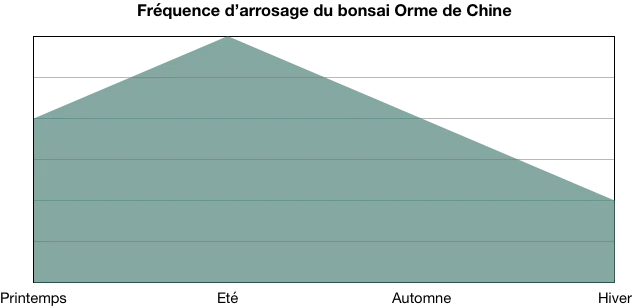
Unfortunately, there is no universal trick for determining the exact timing and frequency of watering your bonsai. However, it is crucial to allow the substrate to dry out between waterings, as overly wet conditions can lead to root and leaf rot. For small to medium-sized indoor specimens, you may need to water every 3-4 days in summer and every 7-10 days in winter.
If your Chinese Elm is indoors, you can also mist the bonsai with a spray bottle to maintain or increase humidity. However, misting does not replace the need for thorough watering. When grown outdoors, the Chinese Elm may require almost daily watering in summer, while its water needs decrease in winter, especially if kept in a cooler room.
Watering Frequency
Watering Tips:
- Allow the substrate to dry between waterings.
- If your tap water is hard, let it sit for a few days or use rainwater.
- If your bonsai is on a saucer, be sure to empty any excess water to prevent stagnation.
- Avoid soaking your bonsai, which should only be used in cases of severe dehydration.
- When outdoors, refrain from watering during the hottest parts of the afternoon; it’s best to water early in the morning or late in the afternoon.
Pruning and Shaping
The Chinese Elm grows well during its active growth period from March to September, making this the ideal time for maintenance pruning. To do this, trim branches back to 2 to 4 leaves, especially those with more than four. This practice encourages a denser bonsai.
Structural pruning should occur during its dormant phase in the autumn. This type of pruning helps reshape the bonsai to restore its form and style. The Chinese Elm is a vigorous species, and some branches may grow excessively or in undesirable directions, necessitating their removal. Start pruning from the bottom to better visualize the desired shape of your bonsai. For advanced specimens with larger branches, consider using a wound sealant.
The Chinese Elm produces relatively small leaves, so defoliation is unnecessary for this species. This technique, which involves partially or completely removing leaves to force regeneration of smaller leaves and shorter internodes, is not applicable here.
Repotting and Substrate
Repotting of the Chinese Elm bonsai should take place in the early spring, between March and May. Young trees require annual repotting, while more mature bonsais can be repotted every 2 to 3 years. During repotting, it is essential to trim about one-third of the root ball to encourage the development of fine roots for improved growth.
Substrate: The Chinese Elm should be repotted in a well-draining substrate, such as 100% akadama or a mix of akadama and pumice.
Tips:
- Generally, in bonsai culture, repotting should occur when the substrate is no longer draining effectively.
- If you have just acquired your bonsai, it is advisable to repot it promptly.
- After a root pruning, wait at least 2 weeks before fertilizing.
Fertilizing and Nutrition
Since bonsais are planted in small pots with limited substrate, they quickly deplete the nutrients in the soil. The health of a bonsai relies on the care it receives, and fertilization is a key component. Providing fertilizer helps to maintain vigor and supplies the necessary trace elements for optimal growth.
Fertilize your Chinese Elm in spring and autumn using a slow-release organic fertilizer (such as Biogold or similar). In spring, choose a balanced fertilizer containing Nitrogen, Phosphorus, and Potassium. In autumn, opt for a fertilizer lower in nitrogen. Avoid fertilizing during the summer and winter months.
The Role of Fertilizer Elements:
- Nitrogen (N): Stimulates growth and increases the abundance of leaves and stems.
- Phosphorus (P): Provides energy and enhances root system development.
- Potassium (K): Strengthens the tree's defenses against diseases by boosting nutrient reserves in the roots and sap concentration.
Tips:
- Do not fertilize a tree that is unhealthy.
- Avoid fertilizing after repotting or defoliation.
- If using a liquid fertilizer, be sure to follow the instructions carefully and space applications every 2 to 3 waterings.
Chinese Elm Losing Leaves
While the Chinese Elm is a resilient species, it is not invincible. If your bonsai is shedding leaves, it is not necessarily a sign of disease but often indicates a care issue, such as overwatering or inadequate light.
The Chinese Elm is a semi-deciduous tree, so it may naturally lose some leaves. If the leaves are yellowing and falling moderately, there is typically no cause for concern; this is part of its normal life cycle. Newly acquired Elms may also drop some leaves as they adjust to their new environment. This temporary symptom is often accompanied by new budding.
Common causes of leaf drop include:
- If the leaves are yellowing and falling excessively, check its location and watering practices. The Chinese Elm requires ample light. If grown indoors, position it in a south-facing room as close to the window as possible. Leaf drop is often related to either overwatering or underwatering, so ensure the substrate dries out between waterings and that it is well-draining and not compacted.
Tips:
- Ensure the substrate is well-draining and not compacted; if it is, consider repotting.
- Check the placement of your bonsai, whether indoors or outdoors.
- Allow the substrate to dry between waterings.
- Stop all fertilization on a bonsai that is losing leaves.
Downloads
Guide to Bonsai Chinese Elm in PDF