The Ancient Forest of Verdeña: A Glimpse into Earth's Past
Explore Verdeña, a small village in northern Palencia, home to an ancient fossil forest that dates back to the Carboniferous period, showcasing remarkable geological treasures.
Nestled in the lesser-known northern region of Palencia, Verdeña is a quaint village that hosts an extraordinary ancient forest. This forest is so old that it existed long before the first dinosaurs roamed the Earth.
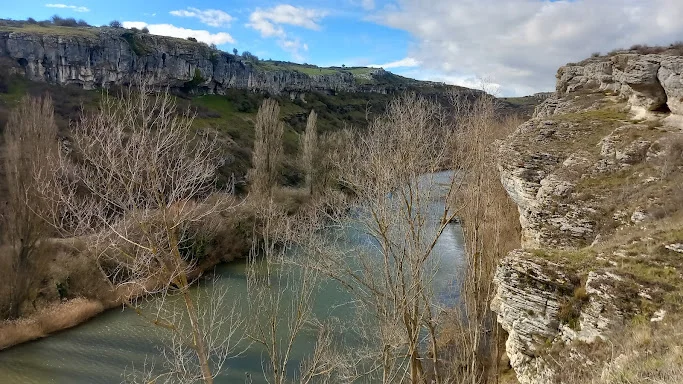
The northern part of Palencia province, often overlooked by mass tourism, boasts numerous treasures, including stunning mountain landscapes, serene lakes, and diverse ecosystems. Here, one can find ancient oak trees, centuries-old yews, and a variety of wildlife such as orchids, bears, wolves, deer, and wildcats. The area is rich in folklore and gastronomy, deeply connected to livestock farming, forestry, mycology, fishing, and hunting. It also features remarkable geological formations like the Cañón de la Horadada and the Cueva de los Franceses, alongside unique architecture, rock-hewn churches, and archaeological remains.

The region consists predominantly of small villages with dwindling populations, many of whom have emigrated in search of better opportunities. In summer, these towns fill with the descendants of former residents and an increasing number of tourists, while the rest of the year sees a smaller, older population.

The rock-hewn church of Olleros de Pisuerga is a notable landmark in the area.

The Roblón de Vañes, a magnificent Quercus Petraea, is over 500 years old, boasting a trunk circumference of nearly 10 meters.

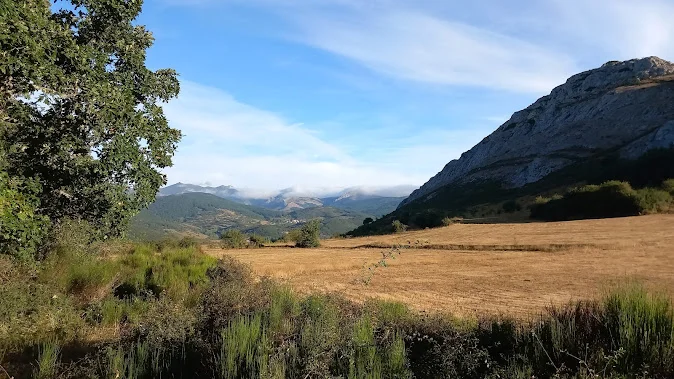
Pozo Curavacas lies at the foot of a mountain peak, standing at 2,524 meters above sea level.
Returning to Verdeña, this small village is characterized by its stone houses and limited accessibility, yet it attracts numerous visitors due to its unique fossil forest. Discovered unexpectedly during coal mining operations in the 1980s, workers stumbled upon a hard rock wall adorned with peculiar markings that turned out to be large plant fossils scattered throughout the rock.

The church of Verdeña, a notable site in the village.

The views from the church showcase Hispano-Breton horses guarded by Mastiffs to protect them from large carnivores.
The discovery captured the attention of renowned geologist and paleobotanist Robert Wagner Boon, who was studying the Cantabrian mountain range at the time. His examination of the site led him to conclude that these were fossilized remains of a Carboniferous forest, a significant find that warranted immediate protection. Thanks to his efforts and the institutions that followed, this forest is now preserved for public viewing.
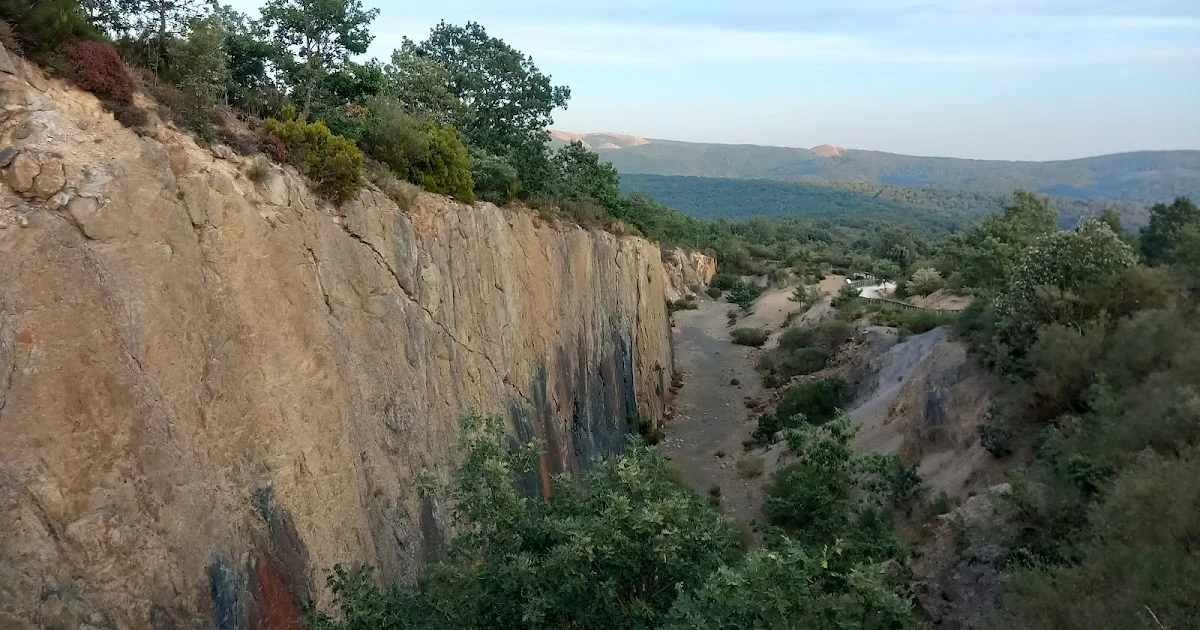
Visitors can reach the fossil forest after a gentle one-kilometer walk through meadows and oak groves. At the highest point, the fossil forest of Verdeña reveals a vertical wall filled with large fossilized remnants of what was once a tropical forest in a swampy area.

A recent visit revealed that someone had sharpened their claws and knocked down a small tree on the path leading to the fossil forest just days before.
What remains today is a massive vertical sandstone block approximately 150 meters long and between 5 and 20 meters high, showcasing the impressions of ancient vegetation, including horsetails, conifers, tree ferns, and prehistoric plants like Sigillaria and Lepidodendron. The fossilized roots are also present, although visibility can be tricky without proper sunlight. Informative signs help visitors identify the various remnants.

A tranquil stroll leads to the fossil forest amidst oaks and meadows.
The formation of this fossil forest is attributed to a cataclysmic event, likely a subsidence or tsunami, which devastated the area, leaving the forest in disarray. The entire forest was buried under sediments that prevented decomposition and allowed for mineralization, ultimately leading to fossilization.
The Verdeña fossil forest is recognized as a site of geological interest, offering a glimpse into what a forest looked like during that era. It is astonishing that such a site exists, providing a window into the distant past that captivates both experts and casual visitors alike. The experience can be enlightening, raising questions about how many similar sites may have been lost to ignorance or interest and how many remain to be discovered.
Visitors are encouraged to explore this remarkable site with respect for the environment and the local community, and supporting local businesses is always a welcome gesture.
Until next time.