Tips to Enhance Your Organic Garden's Yield
Boosting your garden's yield can be simple with practical tips. Discover how to enhance your organic garden's productivity through optimal placement, organic enrichment, and innovative techniques.
Increasing the productivity of your garden may seem daunting, but with a set of practical strategies, you can transform your green space into a bountiful source of fruits and vegetables. Here are some tips to maximize your garden's output.
Choosing the Right Location and Sunlight Exposure
Selecting the ideal spot for your garden is crucial. Plants require light for photosynthesis, so find an area that receives at least six hours of sunlight daily. A garden greenhouse can also be beneficial, allowing plants to thrive and produce more fruits and vegetables.
Sunlight exposure directly affects plant growth. A well-lit area not only boosts productivity but also reduces disease risks, as leaves dry more quickly after rain. Therefore, proper orientation can significantly impact your garden's yield.
Enriching with Organic Matter and Fertilization
Soil is the foundation of plant nutrition. To enhance soil structure and fertility, regularly incorporate compost. Compost enriches the soil with organic matter, improves its texture, and increases water retention. It also provides a variety of essential nutrients for your crops.
In addition, consider fertilization. Investing in natural or organic fertilizers can provide an extra boost to your plants. Be sure to apply these products according to the specific needs of each crop to avoid excess that could harm your yields.
Managing Soil Acidity and pH
Soil acidity plays a crucial role in nutrient absorption. Maintaining a neutral pH (between 6 and 7) optimizes nutrient availability. Regularly test your soil's pH and adjust it if necessary with amendments like lime or sulfur.
Paying attention to acidity and pH is especially important when growing various types of fruits and vegetables, as some are more sensitive to pH levels than others.
Plant Spacing
Properly spacing plants promotes good air circulation and reduces competition for nutrients and water. Overcrowded planting often leads to pest infestations and diseases, which can diminish your garden's overall yield.
Crop Associations
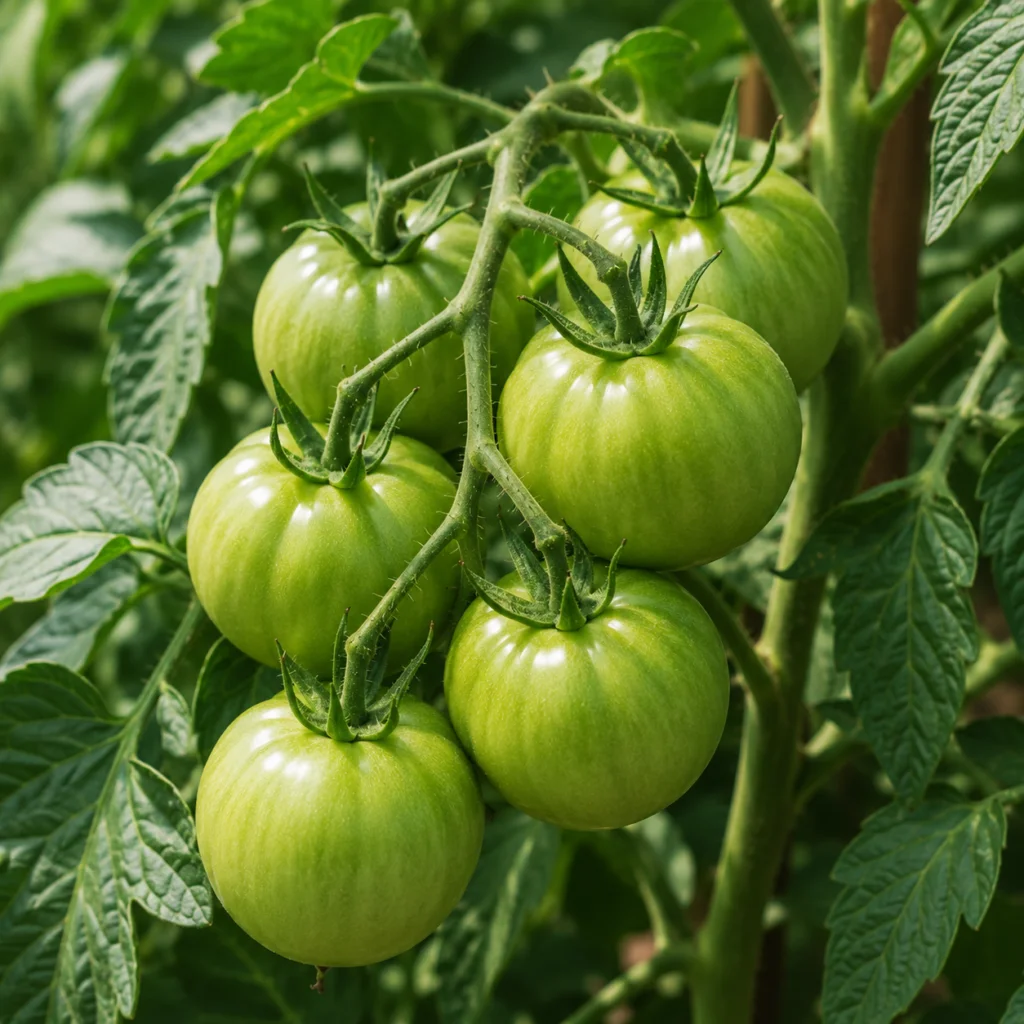
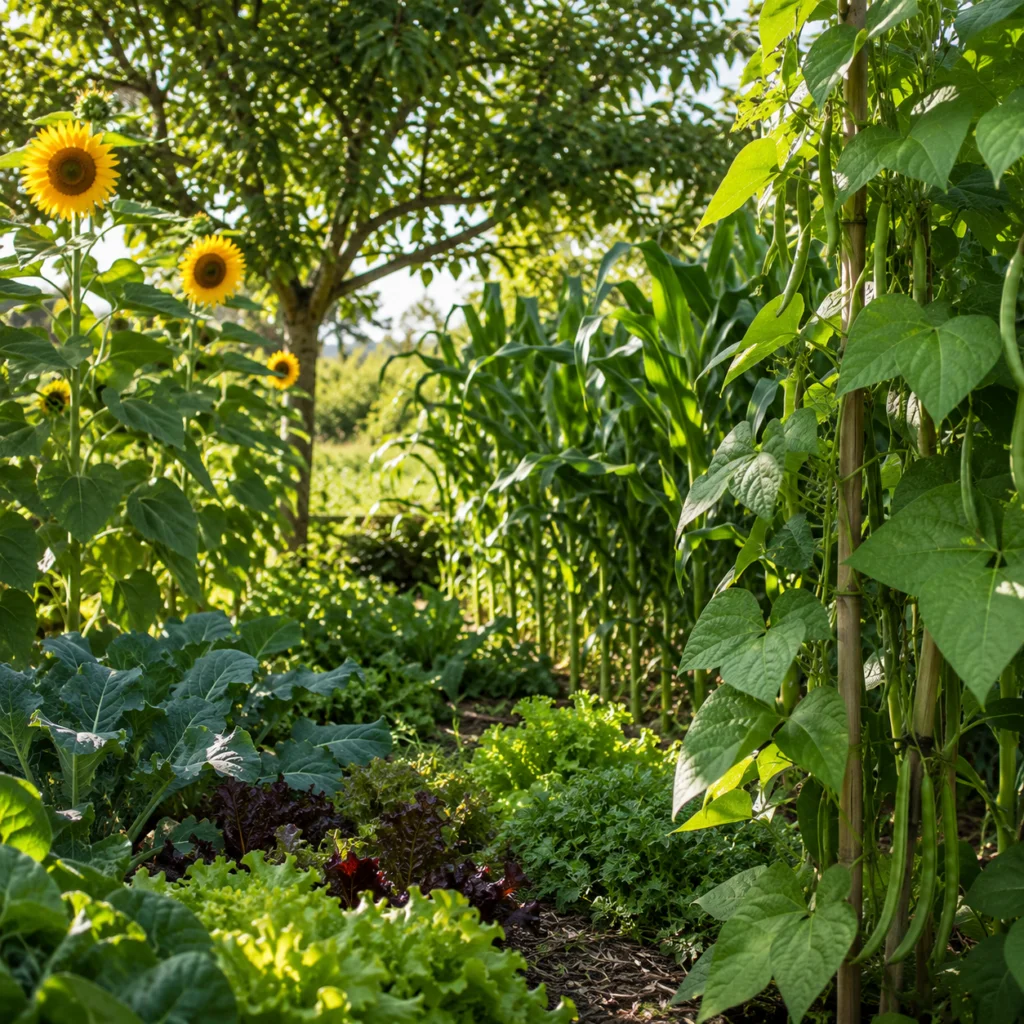
Crop associations are a proven technique for boosting production. Certain plants, when grown together, can benefit from each other's characteristics. For example, planting tomatoes near carrots can help repel some harmful insects.
Some crop associations also improve soil quality. Legumes, for instance, fix nitrogen in the soil, acting as a natural fertilizer for neighboring plants. This method maximizes available space while enhancing overall production.
Utilizing Greenhouses and Tunnels
Employing greenhouses and tunnels significantly increases yields by creating ideal climatic conditions for plants. These structures extend the growing season and protect crops from adverse weather and pests.
- Protection against early and late frosts.
- Control of humidity and temperature.
- Reduction in losses caused by birds and insects.
Using greenhouses and tunnels also allows for the cultivation of exotic or unusual species in your region, adding diversity to your garden.
Improving Soil Quality
Continuously improving soil quality is essential for maintaining a productive garden. In addition to compost, incorporate well-decomposed manure. Recycling crop residues as mulch is also an effective method for enriching the soil.
Another tip is to practice crop rotation. Planting different vegetable families successively in the same area prevents soil depletion and reduces the incidence of crop-specific diseases. Diversifying the types of crops helps maintain a natural balance in your garden.
Protecting Against Diseases and Pests
A well-managed garden requires constant protection against diseases and pests. Use eco-friendly methods such as pheromone traps and plant decoctions for biological control. Introducing beneficial insects like ladybugs can also help naturally reduce aphid populations.
Regular monitoring allows for early detection of infestations and prompt action. By combining these various techniques, you can effectively protect your crops without resorting to chemical pesticides.

Fertilization and Composting
Even with compost addition, some soils may require specific supplements. Appropriate fertilization supports plant growth during critical periods such as flowering and fruiting. Use balanced fertilizers based on soil analysis results to determine missing nutrients.
Additionally, producing your own compost is an excellent way to recycle household organic waste. Just follow a few simple rules: alternate layers of green and brown materials, ensure proper aeration, and maintain adequate moisture for quality compost.
Experimenting and Innovating
Finally, don’t hesitate to experiment. Every garden is unique, and what works for one may not be effective for another. Trying out new varieties, innovative techniques, and unconventional methods can sometimes lead to surprising discoveries.
Keeping a journal to track your experiments and their outcomes helps refine your techniques over time. By combining patience and curiosity, you can adapt your gardening practices and significantly increase your garden's production.