Heatwaves: Insights from Your Soil
Heatwaves transform gardens, revealing the strengths and weaknesses of soil and plant responses. Learn how to adapt your gardening practices based on these insights.
Introduction🌱
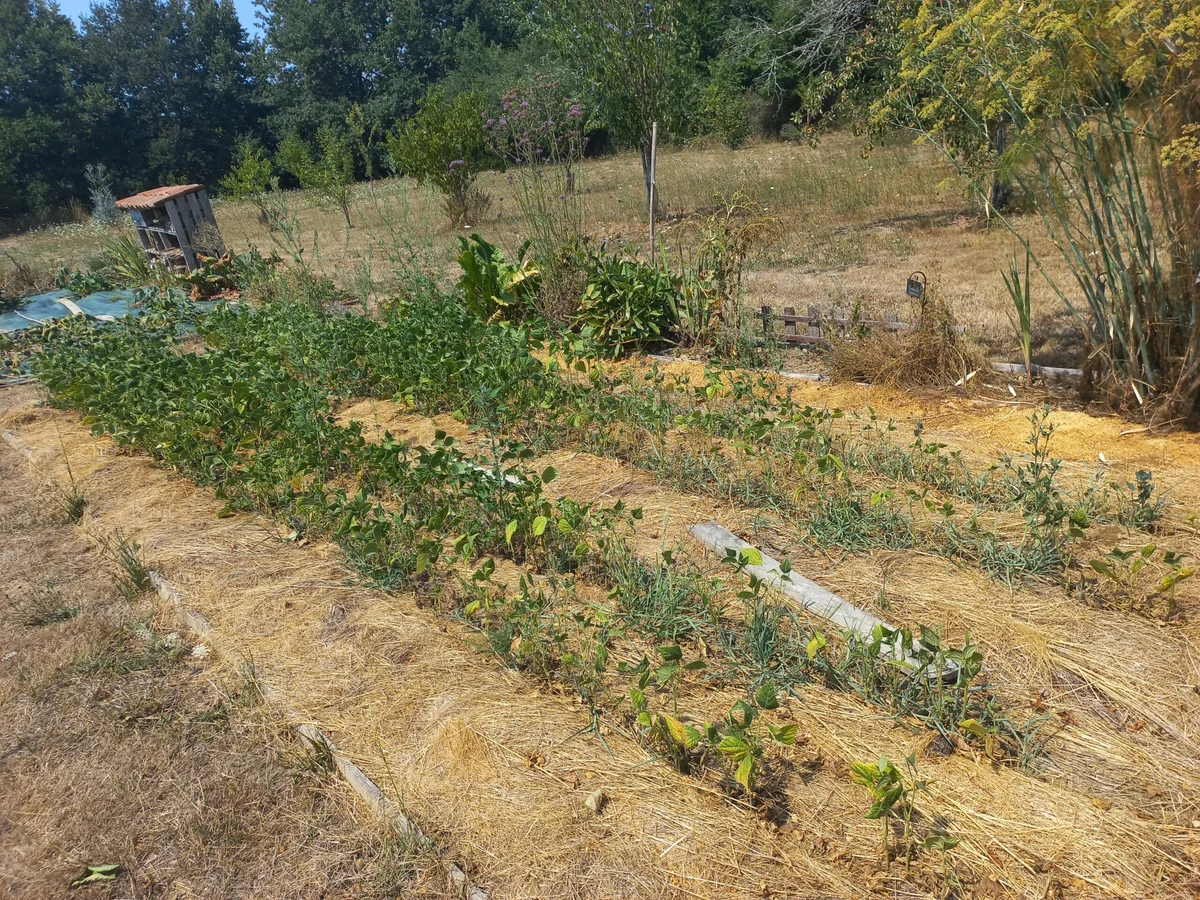
As temperatures soar and rainfall becomes scarce for weeks on end, gardens undergo a significant transformation. Vegetable growth slows, some leaves begin to wilt by midday, and watering seems never enough.
These challenging periods affect both gardeners and plants alike, yet they also reveal details often overlooked throughout the year.
Under ideal conditions, most crops thrive without issue, and the differences between areas of the garden may go unnoticed. However, when water becomes limited and heat prevails, the shortcomings of the soil become starkly apparent.
A heatwave ultimately acts as a revealing agent, highlighting both the weaknesses and strengths of your garden.
Plants Suffer Unevenly
A few days of extreme heat can quickly illustrate how differently plants respond within the same garden.
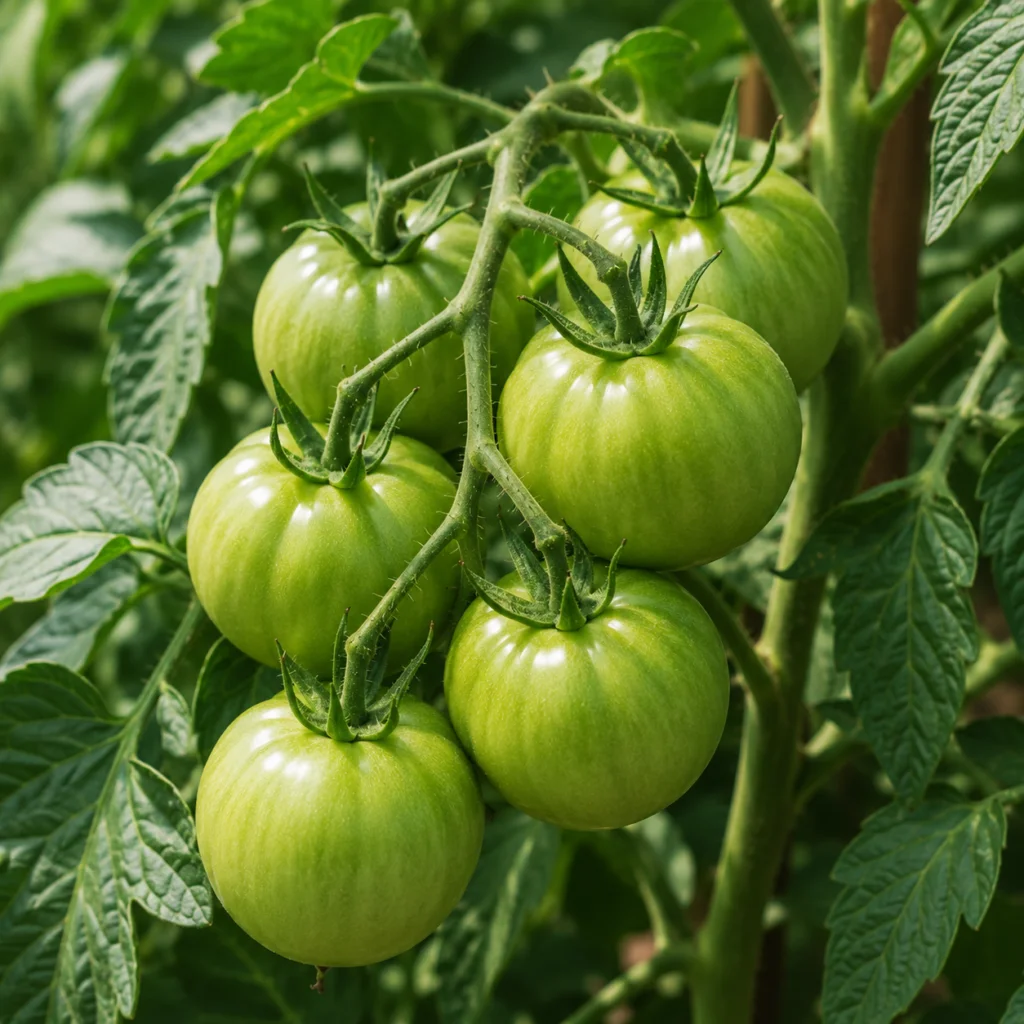
Some lettuce varieties may droop by late morning, while others just a few meters away remain robust. Tomatoes in one area may continue to produce normally, while those in another spot show rapid signs of stress. Certain zucchinis display vibrant green leaves, whereas others appear drained despite identical watering conditions.
The initial instinct is often to blame the variety, the quality of seedlings, or insufficient watering.
However, the explanation frequently lies beneath our feet.
Soil is never uniform. Even in a small garden, significant differences in structure, depth, organic matter content, and water retention capacity can exist. These variations tend to go unnoticed until a drought sets in, at which point they become glaringly visible.
The First Areas to Dry Tell a Story
After several weeks without rain, take a moment to observe your garden.
Which areas show the first signs of plant fatigue?
Typically, these are the spots where the soil is more permeable, less rich in organic matter, or shallower. Conversely, some areas remain cooler for longer, allowing crops to continue thriving while the rest of the garden struggles.
These differences are not random.
A compacted old path, a slight slope, a section more exposed to wind, a few centimeters less soil, or a more regular addition of organic matter can significantly alter how soil behaves during drought.
Such observations are invaluable, helping gardeners understand their land better and gradually adapt their practices.
The Importance of Organic Matter
Dry spells also underscore the critical role of organic matter in the soil.
In humus-rich soil, water retention is prolonged. Biological activity forms aggregates that create a stable structure, capable of storing some of the winter and spring rains and gradually releasing them to plants.
In contrast, soil low in organic matter dries out quickly, becoming harder, cracking more, and allowing water to seep away or run off without being retained.
However, it would be overly simplistic to think that adding compost alone can solve the issue. A soil's ability to manage water also depends on its texture, depth, structure, and the activity of the organisms living within it.
Drought merely highlights how all these factors are interconnected.
Roots Provide Clues
Not all plants explore the soil in the same manner.
Tomatoes, squash, and parsnips can develop relatively deep root systems when no obstacles hinder them. Other crops, like lettuce and spinach, primarily utilize the top few centimeters of soil and thus suffer much more quickly when this upper layer dries out.
A deep root system, however, is not solely determined by the plant species.
Compacted soil, poor cultivation practices, or a plow pan can prevent roots from penetrating deeply enough. Even drought-resistant plants will become more susceptible to water shortages under such conditions.
Observing which crops withstand the heat best may sometimes reveal these hidden issues.
Soil Life Slows Down
During intense heat, plants aren’t the only ones struggling.
Soil life also adjusts its activity levels.
When the soil becomes excessively dry, many microorganisms slow down their processes. Some enter dormancy, awaiting more favorable conditions. Earthworms burrow deeper in search of cooler, moister environments.
The decomposition of organic matter slows, as does the release of nutrients that plants require.
Consequently, some vegetables may exhibit signs of weakness even when the soil is rich in nutrients. The issue may not stem from a lack of fertilizers but rather from a temporary reduction in biological activity.
This is an important distinction. Adding more fertilizers may not always resolve the problem if the organisms responsible for making them available are operating at reduced capacity.
Observing Today to Prepare for Tomorrow
While a heatwave leaves its mark, it also offers numerous lessons.
Areas that dry out quickly could benefit from additional organic matter in the fall. Some crops might be relocated to more favorable sections. It may be wise to create more shade, adjust plant associations, or even completely rethink the organization of the garden.
Such decisions will be even more relevant when based on observations made under extreme conditions.
In a way, drought provides a free, large-scale diagnostic of your garden.
Conclusion
It’s natural to view heatwave episodes as a trial for the garden. However, they also serve as an extraordinary source of information.
They reveal the most vulnerable areas, highlight the essential role of organic matter, showcase the limitations of certain practices, and remind us that every soil has its unique behavior.
Rather than rushing to correct everything urgently, these times can be an opportunity for more careful observation.
For a garden is not merely about the vegetables harvested; it is a living ecosystem that evolves, adapts, and teaches us, season after season, to better understand the soil that supports it.