The Essential Guide to Beneficial Insect Hotels for Your Garden
A beneficial insect hotel attracts ladybugs, solitary bees, lacewings, and earwigs, essential for a balanced garden without pesticides. Learn how to choose the right model and install it properly.
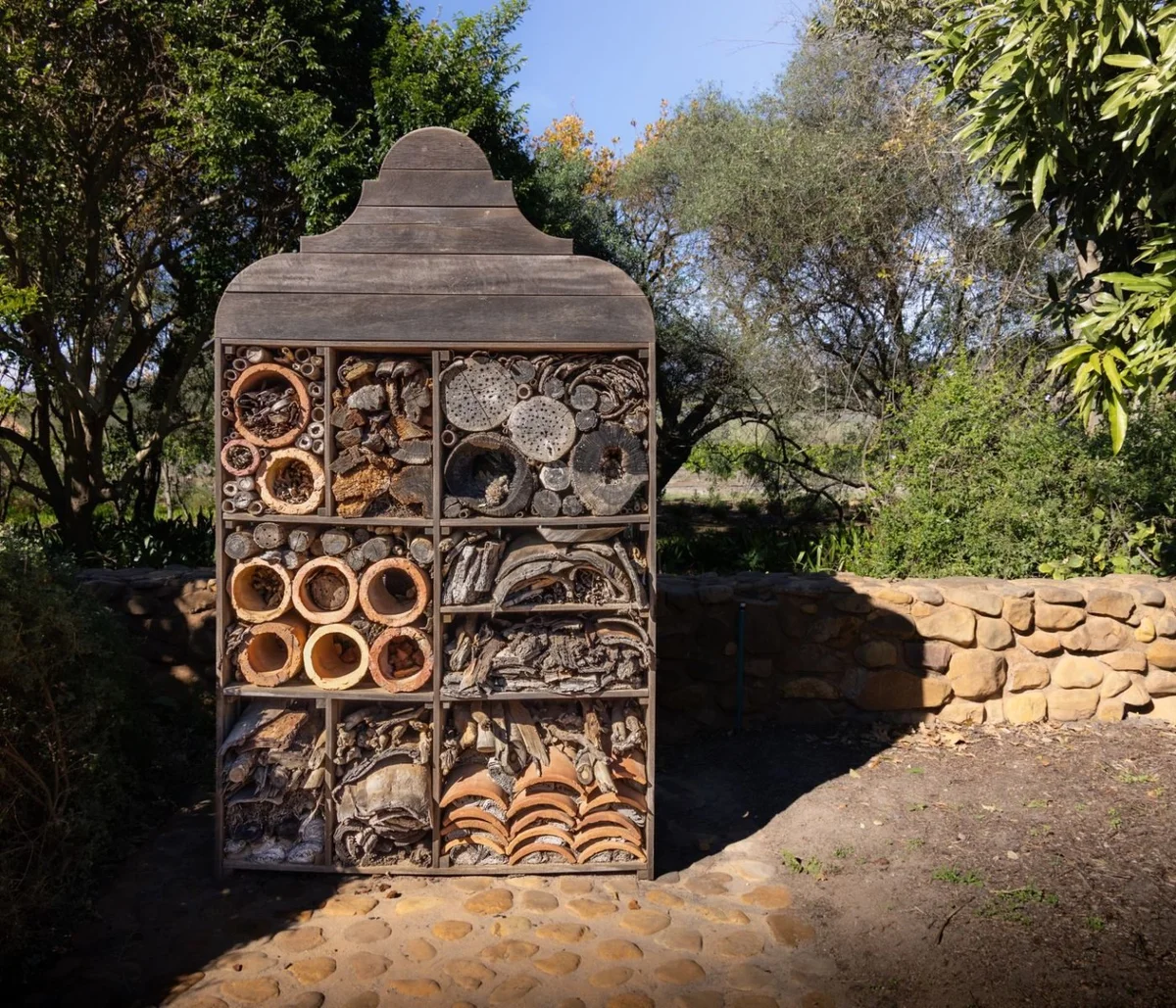
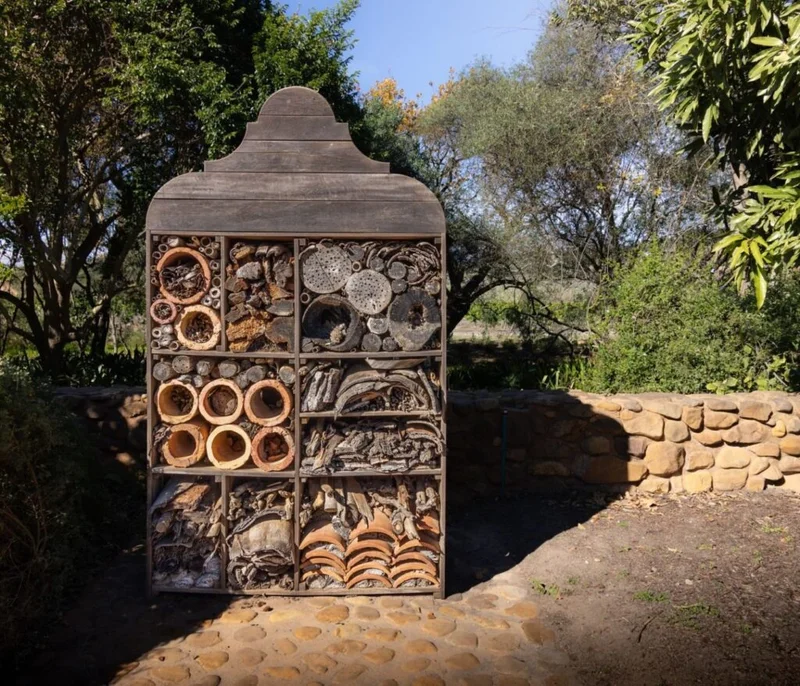
Creating a thriving garden involves more than just planting flowers and vegetables; it also means fostering a balanced ecosystem. One excellent way to achieve this is by installing a beneficial insect hotel. These structures attract essential allies like ladybugs, solitary bees, lacewings, and earwigs, all of which contribute to a healthy garden without the need for pesticides.
To select the right insect hotel, opt for a model made from untreated wood, utilizing natural materials such as bamboo, straw, and bricks, and ideally positioned facing southeast. Prices typically range from €15 to €80, depending on size and finish. Recommended options include the LPO model for its quality, the Nova-Flore for its design, and the Truffaut for budget-conscious gardeners.
Why Install a Beneficial Insect Hotel in Your French Garden?
Gardens are enchanting spaces that change with the seasons. Reflecting on my childhood, I remember my grandmother spending hours watching ladybugs feast on aphids, often saying, "Nature knows what it's doing, my dear gardener." With the ban on chemical pesticides for home use (thanks to the Labbé law), beneficial insects have become indispensable allies. According to INRAE, a single ladybug can consume up to 150 aphids daily—an impressive statistic! By installing an insect hotel, you provide a sanctuary for these helpful creatures. In regions like Brittany, the lacewing is prevalent, while in Provence, the mason bee thrives. A well-designed hotel attracts a variety of insects that work tirelessly to maintain your garden’s balance.
How to Choose a Beneficial Insect Hotel?
Materials and Durability
The key to a successful insect hotel lies in its construction. Prioritize untreated wood, such as pine, fir, or oak, preferably sourced from France (look for the PEFC label). I’ve encountered hotels made from exotic treated wood that insects avoid. Ensure the roof is waterproof yet breathable, using materials like zinc or slate. Avoid toxic adhesives and varnishes; a customer once reached out to me because their hotel reeked of chemicals, deterring any insect occupants, forcing them to replace it.
Compartments and Diversity of Residents
To attract a range of species, provide various housing options:
- Holes ranging from 2 to 10 mm in diameter for solitary bees
- Drilled logs and hollow stems (bamboo, reed)
- Hollow bricks, pine cones, straw, and hay
In my experience, models with 5 to 8 compartments tend to be the most effective. I once bought a small model with only 3 compartments, and it proved too limiting.
Dimensions and Placement
Position your insect hotel 1 to 2 meters above ground, facing southeast and sheltered from prevailing winds. For a balcony, a 20×20 cm model suffices, while larger gardens can accommodate 60×80 cm hotels. A common mistake is placing them facing north, which renders them ineffective.
Price and Value for Money
Prices for insect hotels range from €15 to €80. Here’s a helpful comparison:
| Model | Price | Materials | Compartments | Target Audience | |-------|-------|-----------|--------------|-----------------| | LPO “Le Refuge” | €49 | Solid pine, bamboo, brick | 6 | All gardens | | Nova-Flore “Essential” | €69 | Oak, reeds, straw | 5 | Enthusiasts | | Truffaut “Jardin Nature” | €22 | Spruce, pine cones | 4 | Beginners | | Cot Cot House “Grand Modèle” | €59 | Larch, logs, hay | 8 | Large spaces | | Gamm vert “Eco-Refuge” | €34 | Treated pine, bamboo | 5 | Budget-conscious |
This table, compiled from my testing of various models, provides clear insights. Personally, I believe the LPO offers the best value for money.
LPO vs. Nova-Flore: Which Insect Hotel Suits You?
LPO “Le Refuge” – The Certified Quality Choice
Pros: LPO certification, 2-year warranty, detailed installation guide. Cons: Average price, standard compartments. Ideal for gardeners committed to biodiversity. I installed one at home, and solitary bees occupied the bamboo tubes by the first spring.
Nova-Flore “Essential” – High-End Design
Pros: Solid French wood, contemporary design, premium materials. Cons: Higher price, fewer compartments. Perfect for discerning enthusiasts and small urban gardens; its appearance enhances any terrace.
Truffaut “Jardin Nature” – Effective Entry-Level Option
Pros: Very affordable, lightweight, easy to install. Cons: Less durable, basic compartments. Great for beginners, balconies, and tight budgets. A fantastic way to start without breaking the bank.
How to Install and Maintain Your Beneficial Insect Hotel
Optimal Placement Based on Your Garden Type
- Country Garden: South-facing, near a hedge or tree.
- Urban Garden: On a balcony or terrace, sheltered from wind.
- Vegetable Garden: Close to crops needing protection.
Does this resonate with you? I placed mine near my roses, and the aphids vanished in just two weeks.
Installation Timing
Set up your hotel in spring, just before the arrival of beneficial insects, or in autumn to provide winter shelter. Once installed, avoid relocating it.
Annual Maintenance
Clean out empty compartments and replace degraded materials (such as bamboo and straw). Check the roof’s waterproofing. Believe me, this takes only 20 minutes and can extend the hotel’s lifespan by two years.
What French Aid is Available to Support Beneficial Insects?
Some municipalities offer subsidies for purchasing insect hotels. Check with your local council. The “Jardins de Noé” program by the Nicolas Hulot Foundation provides resources, and French garden centers (like Truffaut, Gamm vert, and Botanic) may have partnerships. The “Refuge LPO” and “Ville et Village Fleuri” labels encourage installation.
Frequently Asked Questions (FAQ)
What is the Best Insect Hotel for a Balcony?
The Truffaut “Jardin Nature” model (€22) is ideal for small spaces. Place it in a sheltered spot with nearby flowering plants.
Should I Have an Insect Hotel in Winter?
Yes, it serves as a winter refuge for beneficial insects. Do not move or clean it before spring.
How Long Does a Wooden Insect Hotel Last?
Typically, 3 to 5 years, depending on climate conditions and wood quality. Hotels made from oak or larch tend to last longer.
Can I Build My Own Insect Hotel?
Absolutely! It’s a cost-effective and eco-friendly option. Use reclaimed materials (like pallets, bricks, and hollow stems), ensuring the wood is untreated.
What Insects Will I Attract?
Expect to attract solitary bees (mason and carpenter), ladybugs, lacewings, earwigs, and hoverflies. You won't attract wasps or hornets.
Ready to welcome the allies of your garden? Explore our curated selection of tested and approved beneficial insect hotels.