Summer Gardening: 8 Essential Tips for Landscape Professionals
Summer gardening can be a challenge for landscape professionals due to high temperatures and increased workloads. Discover eight essential tips to ensure health and efficiency during the busy season.
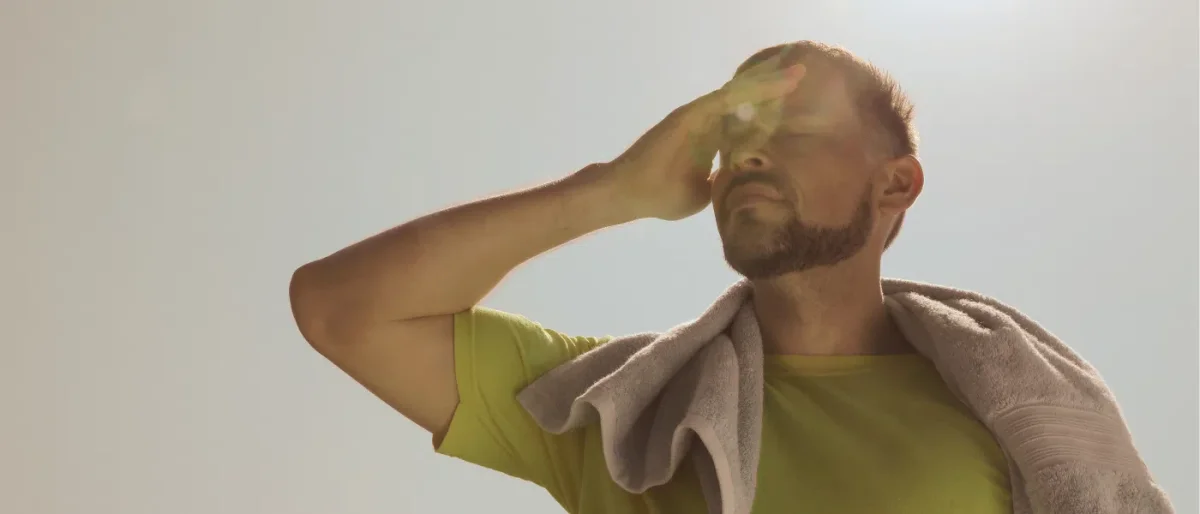
As summer arrives, gardening becomes a joyful activity for many. However, for landscape professionals, the season presents unique challenges ☀️. Rising temperatures, increased client demands, and the need for heightened vigilance make summer work particularly intense. To navigate these busy months while ensuring health and efficiency, La Coopérative Jardiniers Professionnels offers eight crucial tips for landscape gardeners 💪.
Understanding the Legal Requirements for Working in Extreme Heat
During heat waves, legal regulations dictate safe working conditions to protect workers from heat-related risks.
Employer Obligations: Providing Access to Water
For gardeners, access to water on job sites is vital. "Fresh drinking water must be provided to workers and should be increased as necessary. Access to water must be guaranteed, with a minimum of three liters per day per person in the absence of running water."
Work Regulations During Heat Waves
In addition to ensuring water availability, it is essential to organize work schedules safely. "When risk assessments identify health and safety risks due to exposure to intense heat, the employer must adjust work organization with measures to adapt schedules, suspend strenuous tasks during peak heat, and improve rest periods. Workstations should be arranged to mitigate the effects of solar radiation and heat accumulation using filtering or shading devices, ventilation, or misting systems."
Heat Wave Prevention Posters for Landscaping Companies
La Coopérative des jardiniers professionnels has created a printable poster for break rooms aimed at landscape workers. While some advice may seem obvious, it's beneficial to reinforce these reminders. Following these guidelines can help gardening teams enjoy a more comfortable summer season on the job. These tips are also particularly useful for interns or apprentices experiencing their first summer in landscaping 😉.
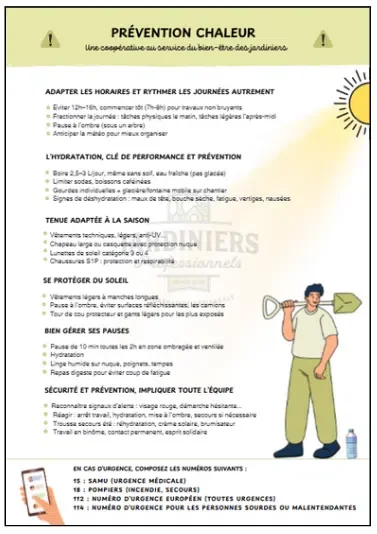
📥 Download the heat prevention poster
Tip #1: Recognize the Risks of Summer Work
Summer is a high-stakes season for landscape gardeners, who face a variety of specific risks that are often underestimated. Heat stroke, for instance, can lead to nausea, confusion, loss of consciousness, and in severe cases, lasting consequences. This medical emergency should not be taken lightly, especially when working alone or far from medical assistance. ⛑️ Additionally, dehydration can quickly lead to decreased concentration and productivity, making even minor dehydration a significant concern. Other risks include harmful UV rays, heat fatigue from physical exertion in the sun, and specific challenges posed by the terrain (dry soils, dust, heat-sensitive equipment). Thus, preparation is essential!
Tip #2: Adjust Work Hours and Pace
Modifying work hours is crucial for maintaining the health of teams while ensuring effective productivity. Ideally, work should avoid peak heat hours (between 12 PM and 4 PM), starting earlier in the day around 7 AM or 8 AM for quieter tasks. Some companies opt for a split workday: heavy tasks in the morning, a long break at midday, and lighter work in the late afternoon. 👌🏼 Alternating between strenuous tasks (like clearing brush, laying tiles, or hedge trimming) and lighter activities (such as planting, watering, or cleaning) can also help reduce fatigue. Creating shaded areas on-site with mobile umbrellas, pop-up tents, or nearby trees is recommended. By anticipating heat peaks through weather forecasts, project managers can plan and reorganize priorities without sacrificing work quality.
Tip #3: Hydration is Key for Performance and Prevention
Working outdoors naturally leads to sweating. When the body loses more water than it takes in, signs of fatigue, disorientation, or exhaustion can quickly appear. To counteract water and mineral loss, it is crucial to hydrate regularly: approximately one glass every 20 minutes, totaling 2.5 to 3 liters per day in hot conditions, even if thirst isn’t felt. 💧 Fresh (but not icy) water is preferred, while sugary drinks, sodas, or caffeinated beverages (like iced tea or coffee) should be limited due to their diuretic effects. Each worker should have their own insulated water bottle, and larger sites could benefit from a cooler or mobile fountain. It’s also wise to have mineral supplements available for extended efforts.
🚰 Recognizing the signs of dehydration is essential:
- Headaches,
- Dry mouth,
- Sudden fatigue,
- Dizziness,
- Nausea and/or vomiting.
Proper hydration is a cornerstone of workplace safety, just as important as protective gear.
Tip #4: Wear Appropriate Summer Work Attire
Even in summer, work attire must not be overlooked. It serves as the first line of defense against heat, sun, and potential injuries. Lightweight, breathable, technical clothing treated for UV protection is recommended. Light colors help reduce heat retention, and loose-fitting designs allow for airflow. 🤝🏼 A wide-brimmed hat or a cap with neck protection is essential, along with sunglasses to shield the eyes. 🧢 Safety shoes that are S1P-rated provide good protection while allowing for breathability: puncture-resistant soles, lightweight design, and good support. Summer work attire should comply with professional standards while ensuring comfort and minimizing injury risks, making work more tolerable despite high temperatures.
Tip #5: Simple Yet Crucial Sun Protection Measures
Prolonged exposure to the sun increases the risks of sunburn, burns, and more serious conditions like actinic keratosis or skin cancer. ☀️ To protect oneself effectively, applying sunscreen with SPF 50 every two hours on all exposed areas (face, arms, neck, ears) is recommended: this is as much a professional responsibility as a personal one. Wearing long-sleeved but lightweight clothing can filter UV rays while maintaining good ventilation. Taking breaks in shaded areas, away from reflective surfaces like light gravel or white walls, is also advisable. And remember: never nap in direct sunlight. For those particularly exposed, a protective neck gaiter and lightweight gloves can enhance safety. ✅
Tip #6: Manage Breaks Wisely to Endure the Day
Summer breaks are essential, not optional. It’s advisable to take a break of at least 10 minutes every two hours, preferably in a shaded and, if possible, ventilated area. During these rest periods, hydration, light stretching, and consuming light snacks—such as fresh fruits, vegetables, or water-rich snacks—are important. 🧑🏼🌾 A damp cloth on the neck, wrists, or temples can provide quick relief from the heat. Lunch should be light to prevent fatigue. Thoughtfully planned breaks promote concentration, reduce physical stress, and significantly lower the risk of accidents or health issues. They should be an integral part of the site’s organization.
Tip #7: Safety and Prevention: Involve the Entire Team
In the summer months, teams often welcome interns, apprentices, or new employees. It is crucial to reiterate safety and prevention rules to everyone involved.
Recognizing warning signs is vital:
- Flushed face,
- Unsteady gait,
- Incoherent speech,
- Unusual lethargy.
These symptoms should trigger immediate action:
- Stop work,
- Hydrate,
- Move to shade,
- Or even call for help if necessary.
Each team should be equipped with a summer-enhanced first aid kit: rehydration solutions, sun protection, soothing creams, and misting devices. Working in pairs or maintaining constant communication can help prevent isolated accidents. Additionally, fostering a supportive and caring atmosphere contributes to everyone’s well-being. The employer or team leader also plays a crucial role in monitoring the pace, reiterating safety protocols, and ensuring no one exceeds their physical limits. Prevention is also about legally protecting the company. 🤝🏼
Tip #8: Care for Equipment and Its Storage in Summer
Tools and machines are also affected by the heat 🔥. Gas-powered engines heat up more quickly and must be regularly checked and cooled. Never leave a metal tool in direct sunlight ☀️, as it can cause burns upon contact. Plastic tools may deform or lose strength in high temperatures. It’s advisable to store tools in shaded areas, under a tarp, or a damp cloth 🧊. Handles, dark casings, and batteries should be protected. Sensitive products like fertilizers or pesticides should also be kept out of the heat. Properly maintained equipment during summer is a guarantee of safety and durability for the business 🛠️. A quick visual check at the end of the day can help anticipate any issues.
Working outdoors requires endurance, passion, and, most importantly, a methodical approach. In summer, the focus should be on preserving the body, concentration, and collective effectiveness. La Coopérative Jardiniers Professionnels emphasizes that a well-organized site is also a more profitable, sustainable, and humane site. By adopting simple yet rigorous practices, every gardener can turn high temperatures into manageable conditions, ensuring safety. Information, anticipation, and proper equipment are the keys to a successful summer in the field!