Introduction to Bonsai: A Beginner's Guide
Explore the art of bonsai, its definitions, dimensions, and styles in this comprehensive guide for beginners.
Understanding Bonsai
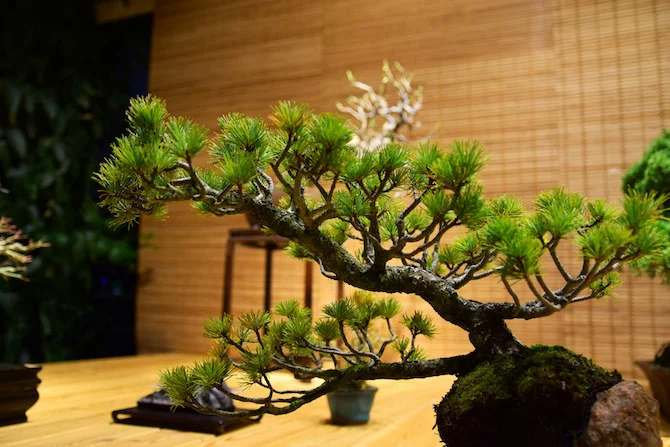
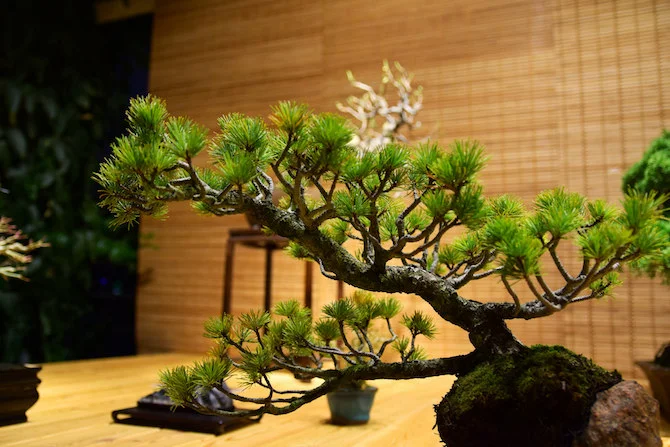
Bonsai, a term derived from Japanese and influenced by Chinese language, translates to "planting and caring for a potted plant." Unlike a specific species, bonsai trees originate from various tree species found in nature, with their only distinguishing feature being their size.
This ornamental plant is cultivated in pots, resulting in a miniature version of a tree through various techniques such as pruning roots and branches, as well as wiring the stems. In Asia, bonsai is regarded as an art form passed down through generations, aiming to replicate the appearance of trees in their natural habitat.
Some bonsai specimens are remarkably aged, with the oldest known bonsai, a Pinus Parviflora, residing in Tokyo and over a century old.
Creating a bonsai can involve nearly any tree species, although some are more challenging to cultivate than others. In France, bonsai are commonly used for indoor decoration, yet there are also outdoor varieties that can enhance gardens or terraces.
Dimensions of Bonsai
Bonsai come in three distinct sizes, categorized by the number of hands required for their transport.
Shohin or Mame
Ranging from 13 cm to 23 cm
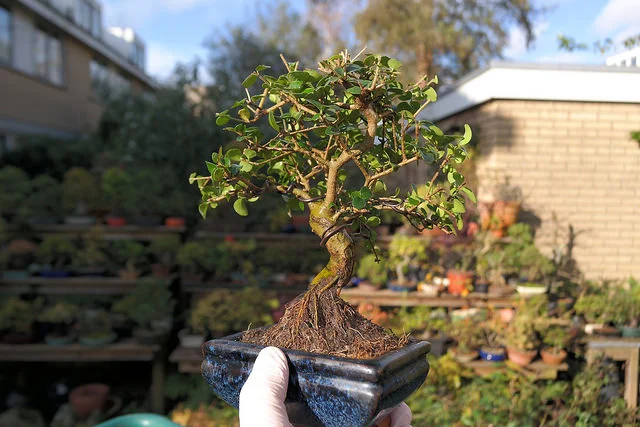
Shohin or Mame bonsai are small enough to fit in the palm of your hand, embodying a more abstract interpretation of a tree. Their diminutive pots necessitate careful maintenance, especially during the summer months to prevent soil from drying out.
Kotate-mochi or Komono
Between 23 cm and 60 cm
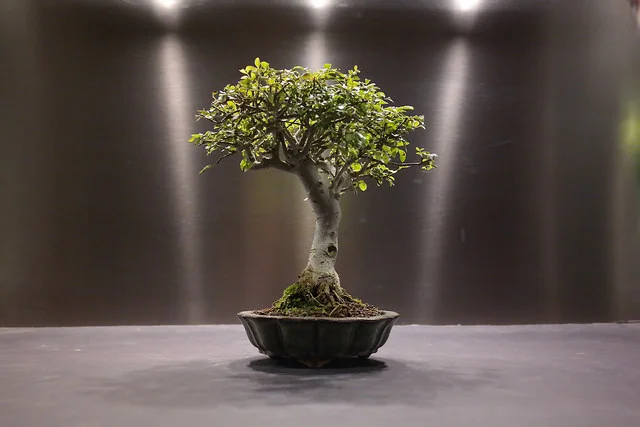
These two-handed bonsai are the most commonly found in stores. Their size allows for a more detailed approach to shaping, offering greater creative freedom. This size is particularly suitable for indoor bonsai, making them ideal for table decoration.
Omono
Ranging from 60 cm to over 1.2 m
Omono bonsai require at least two people to transport due to their size. In Asia, they are often displayed in gardens, symbolizing prosperity for the property.
Styles of Bonsai
While there are no strict rules governing bonsai creation, several styles can be identified based on their shapes. Here are some notable bonsai styles:
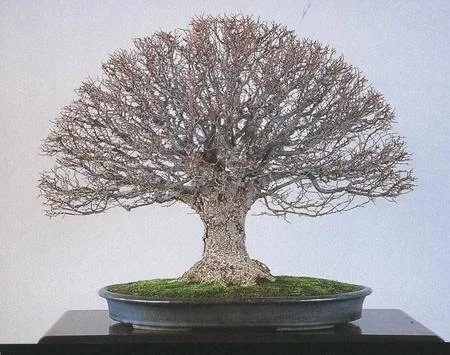
Style Hokidachi
In this style, the trunk remains straight and vertical, with branches emerging from about one-third of the tree's height.
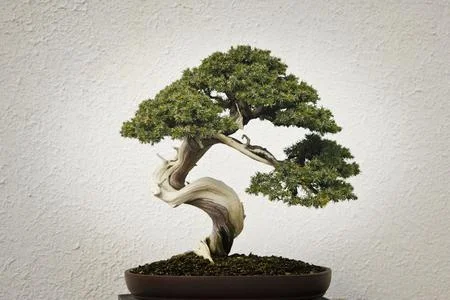
Style Moyogi
This style is prevalent in bonsai art, featuring a trunk that grows irregularly to form an “S” shape. The curves taper toward the top, with variations in both the shape and angles.
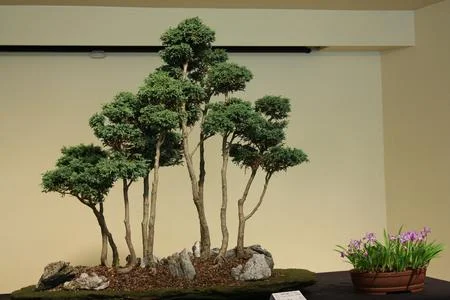
Style Yose-UE
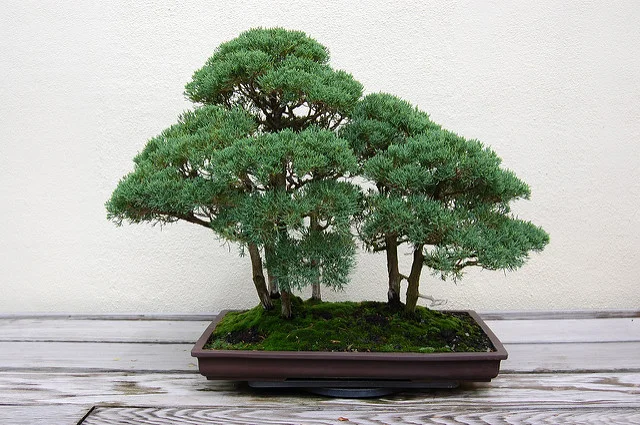
In this style, multiple bonsai are arranged staggered to represent a forest as naturally as possible.
For those interested in exploring different bonsai forms and styles, there are abundant resources available to deepen your understanding.
The pot used for bonsai serves as a decorative element alongside moss and stones. It's essential to choose the right pot based on the species and shape of your bonsai to ensure its health and aesthetic appeal.
Discover essential tips for beginners in bonsai care, covering aspects like watering, placement, fertilization, repotting, and substrate selection.