I admit it ... I also call it "Bottlebrush"
From Australia to your garden, so well-known that it seems it has always grown here... The genus Callistemon, belonging to the Myrtaceae family, is well-known for its flowering.

From Australia to your garden, so well-known that it seems it has always grown here...
The genus Callistemon, belonging to the Myrtaceae family, is well-known for its flowering.
In this genus, we find evergreen trees and shrubs with hard, elongated, and narrow leaves (not very large). Often, we encounter Callistemon citrinus, but there are several other species to choose from based on their growth habit (such as branches that tend to hang more or less, globular shapes of 2-3m, smaller sizes, or much larger...), resistance, or adaptation to various environmental conditions. The Citrinus species, for example, has a pleasant citrus aroma in its leaves that many people enjoy. Some varieties may have reddish hues in their new leaves.
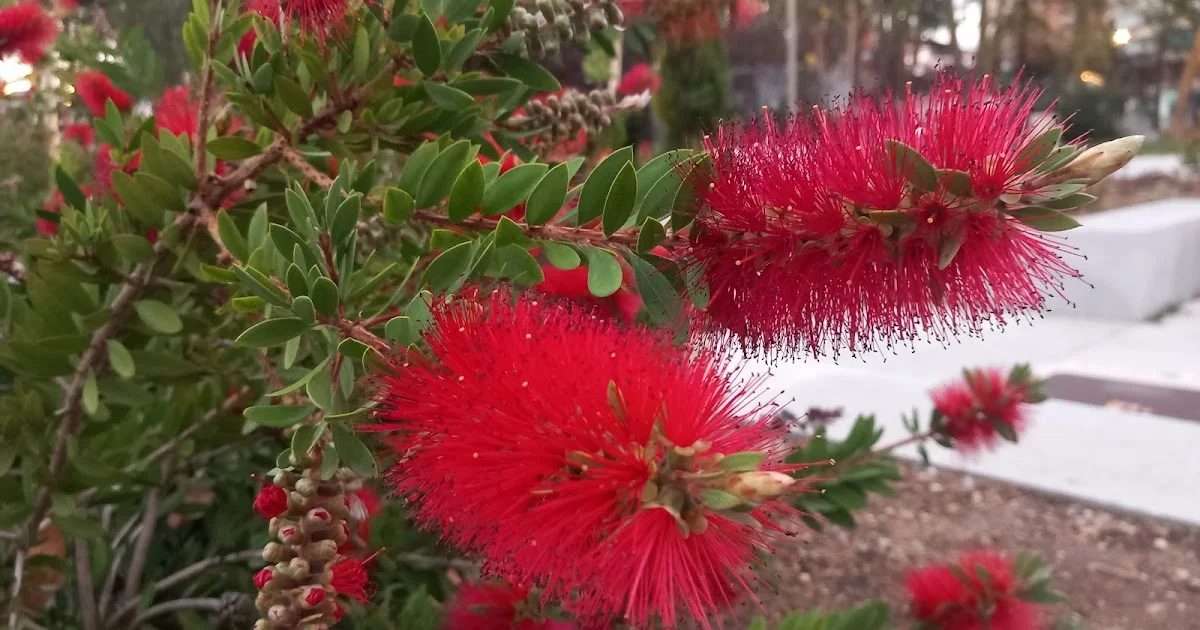
Callistemon, as such, is not a plant that I find particularly attractive "per se," but when we find specimens in full bloom, the situation changes significantly. On the branches, or rather at the terminal ends of these, spikes appear where flowers concentrate with long red stamens that seem to cover the entire plant in this color. Even if they only have a few of these inflorescences, the eye is unconsciously drawn to them. Due to their appearance, many call them "Bottlebrush." And you call it that too, admit it, hehe. Not only are there red-flowered Callistemon, which are the most common and, in my opinion, the most striking, but there are also varieties in pink or white.

Callistemon, in Tenerife, Canary Islands.

In general, these plants prefer temperate or warm climates; not all can withstand frost. C. citrinus, for example, can tolerate frosts down to -10º C. However, you should seek advice from a good nursery or ask a neighbor for a cutting to avoid unpleasant surprises.
It is a drought-resistant plant, but that does not mean it does not appreciate summer watering or directly needs it. As I mentioned, it is recommended to plant in areas protected from the cold or with the possibility of providing winter protection. Southern exposures, against a wall... protected from the most intense winds... can help. As you know, I live in Castilla y León, and despite the extreme climate, I see more and more specimens that withstand the harsh winters of Palencia (perhaps as a consequence of the so-called climate change).

Set of Callistemon, in Manises, Valencia, recently pruned.

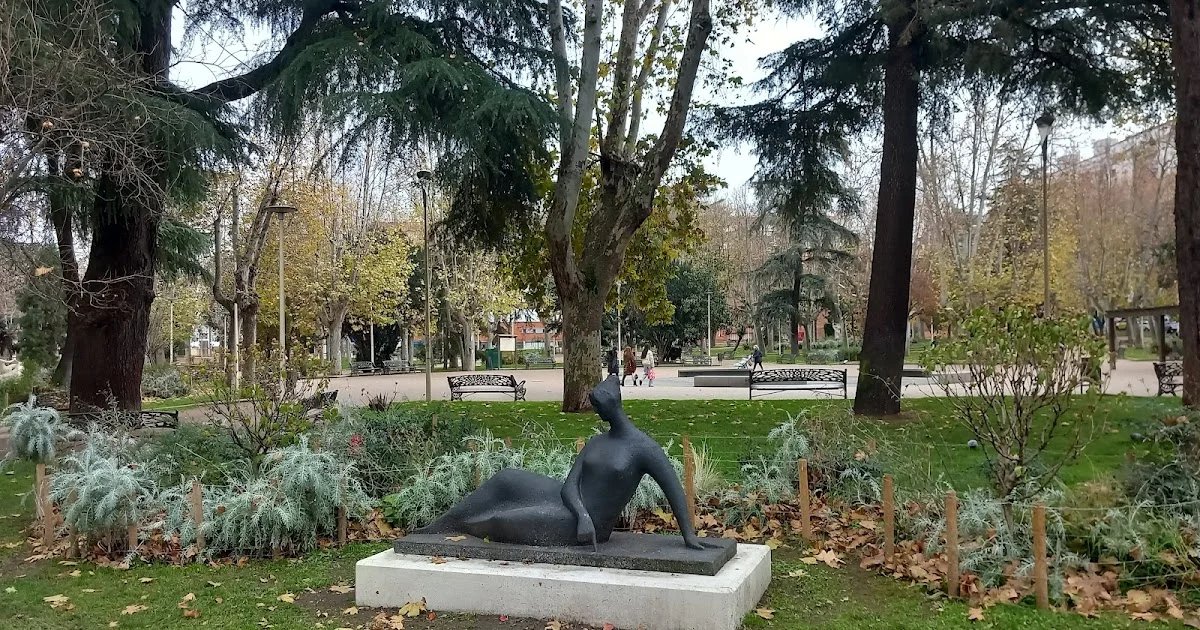
Callistemon in the Jardinillos park, Palencia, Castilla y León... we will still have to wait a few years to see its evolution.
As for soil, it prefers well-drained, fertile soils, preferably neutral or acidic in nature. However, it can adapt to quite poor soils, another ace up the sleeve of these plants.
It is recommended to prune after the first batch of flowers, removing the spent inflorescences to stimulate a second flowering at the end of summer. We will also remove the area where the flowers were, which will be covered only by the fruits, leaving "bare" areas that are not very aesthetic. It is not strictly necessary, but it will keep the plant compact and ensure a profusion of flowers.
It is not a plant particularly delicate regarding pests and diseases.

Callistemon, in the Rías Baixas, Galicia, observing flowering and subsequent fruiting area.
These are plants that stand out in groups, combined with other shrubs, using them for compositions in red tones, in large pots; I have even seen Callistemon used for hedges in eastern Spain, as they grow at an interesting rate to quickly obscure views. This reminds me to mention that it is also an interesting plant for coastal plantings as it is tolerant to salinity (I insist that I am talking about several species, and it is necessary to check that we buy those that can tolerate the conditions in which we plan to cultivate them).
It is easy to germinate Callistemon seeds, but we cannot ensure the uniformity of the offspring. Therefore, rather than reproducing, we will opt for vegetative propagation, being able to root cuttings.
See you next Tuesday!