A Frost-Sensitive Ground Cover
This week we discuss a small-sized, somewhat frost-sensitive plant from the Scrophulariaceae family, specifically _Diascia barberae_. Native to South Africa, it features abundant pink flowers and thrives in temperate climates.

This week we discuss a small-sized, somewhat frost-sensitive plant...
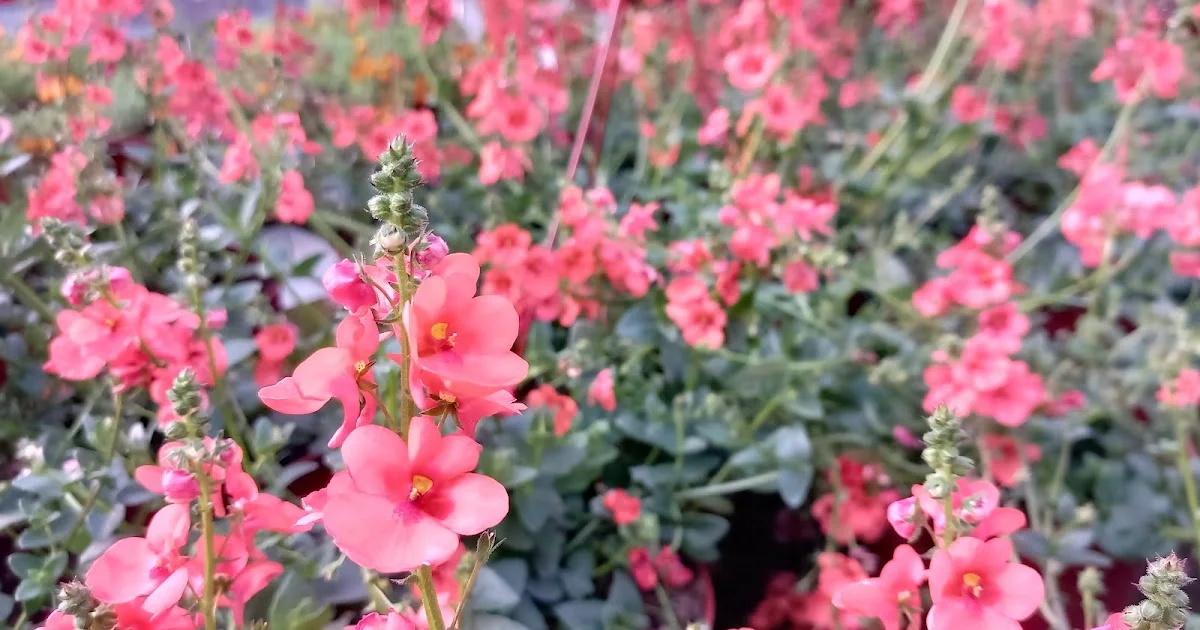
It is a member of the Scrophulariaceae family, specifically the genus Diascia, namely Diascia barberae. Native to South Africa, they do not exceed heights of 20-30 cm.
Generally, they are plants with not very large, intensely green, somewhat heart-shaped leaves. In gardening, they are of interest due to their flowering, featuring small flowers with five petals in shades of pink, a golden center, and two spurs at the base. However, there are cultivars with other color tones. They bloom in spring and summer (often lasting until the first frosts) with abundant flowers.

We can use them as perennials in frost-free climates, but if your climate experiences temperatures below -5ºC for extended periods, it is better to consider them as potted plants (and bring them indoors) or use them as seasonal plants. They can be utilized for borders along a path or flowerbed, to hang from a large pot, on a slope, in rock gardens, or simply allowed to spread across the surface as a ground cover.


As I mentioned, it is a plant that blooms abundantly as long as it is in temperate or warm climates.

This plant requires acidic, nutrient-rich, well-drained soil but has a demand for water. It can thrive in full sun, partial shade, or shade. If it is planted in a hot area, it is better to place it in partial shade and monitor soil moisture with periodic watering (these water demands and its sensitivity to cold may lead to its exclusion from many gardens).
It does not require much maintenance, aside from removing wilted flowers (cutting back to about 5 cm from the ground, allowing the plant to recover shortly after) or trimming it back if it survives your winter to stimulate new growth. It is not particularly sensitive to pests (notable are slugs: snails and slugs).
We can propagate new specimens by seed or division without any issues.
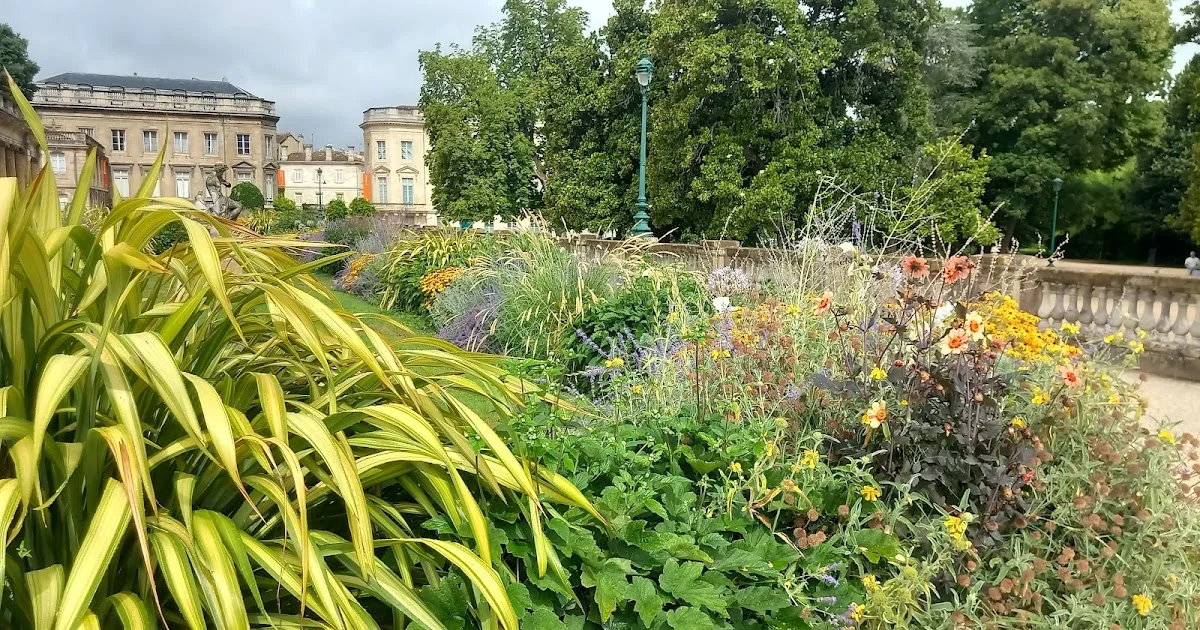
As I mentioned, they can be placed in borders, among rocks, in large groups, in cracks of a wall or rustic paving, directly in the ground, or hanging from pots or planters...
I must say that I have only seen it in a couple of nurseries in my area, and I have relied on information from websites and books consulted to talk to you about it. I think it can be interesting due to its flowering, but I am deterred by its moisture requirements and lack of frost.
Have you cultivated it? Share your experience with me.