Hydrangea arborescens 'Ruby Annabelle' - Balcone Fiorito - The Gardening Blog
Discover the beauty and care tips for Hydrangea arborescens 'Ruby Annabelle', a stunning addition to any garden or balcony.
- by francescodiliddo
- article dated June 17, 2026
- No comments
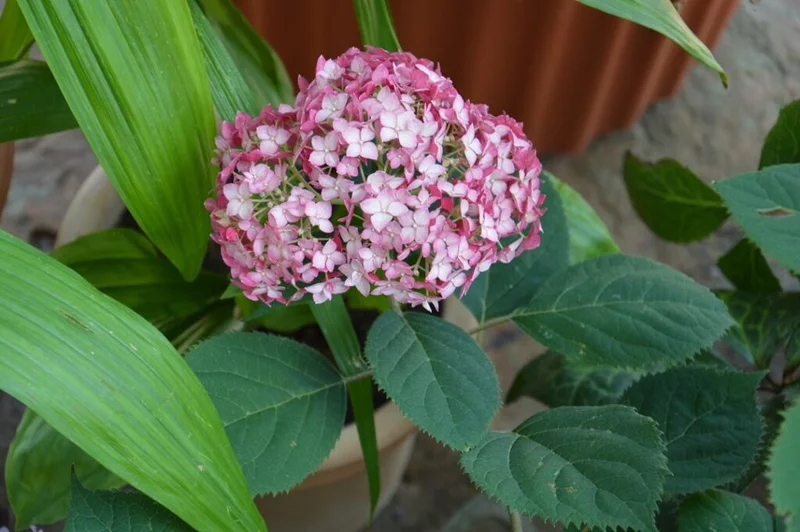
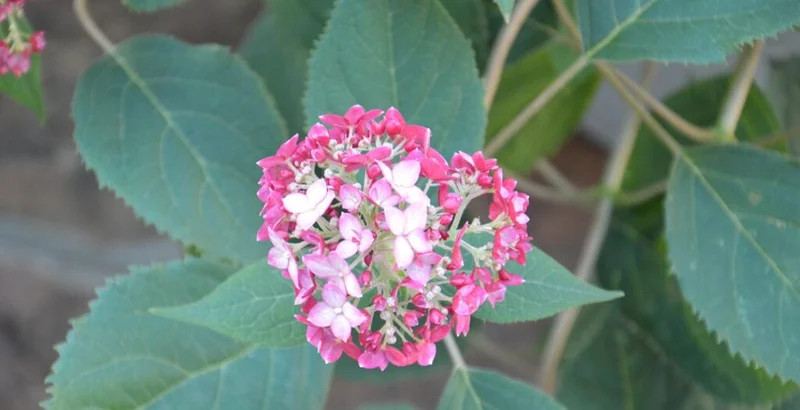
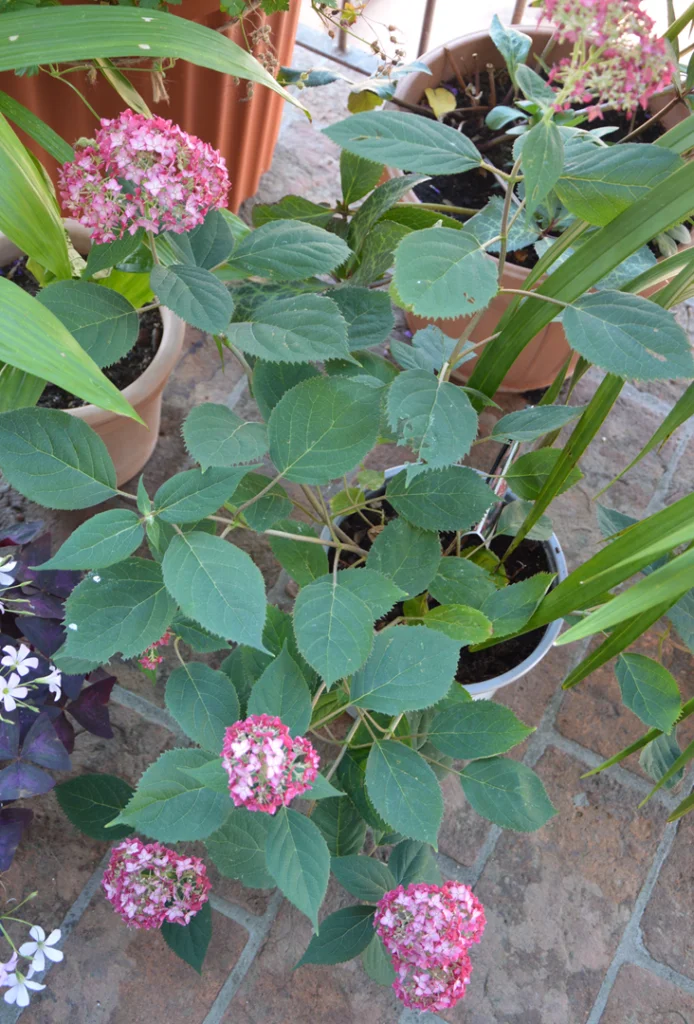
Hydrangeas are the queens of gardens, widely found here in Tuscany, and easy to cultivate by following a few general rules that will reward us with spectacular blooms. The latest addition to my balcony is a gift from Proven Winners Europe, the Hydrangea arborescens ‘Ruby Annabelle’, which I grow in a pot. I have been caring for hydrangeas (Hydrangea macrophylla ‘Runaway Bride’ and Hydrangea paniculata ‘Phantom’) in pots for years and would like to give a quick overview of the main species available for gardens. The Hydrangea macrophylla is the classic and most widespread variety in Italian gardens, featuring large spherical inflorescences with flowers in shades of pink, red, lilac, or deep blue. The color changes based on the pH and the presence of aluminum in the soil (acid-loving plant). The perfect exposure is partial shade, and it fears direct summer sun. The Hydrangea paniculata is easily distinguished by the elongated shape of its inflorescences (cone-shaped panicles), initially white or cream, which fade to pink or red in autumn. Very resistant to sunlight, it is the only type that loves and tolerates direct sun. The Hydrangea arborescens (smooth hydrangea) is native to North America and grows rapidly. It produces enormous spherical flowers (up to 25 cm in diameter), usually pure white. The most famous variety is Annabelle, known for its spectacular and gigantic inflorescences; one of its characteristics is blooming on the new growth of the year, making it resilient to drastic pruning. The Hydrangea quercifolia gets its name from the unique shape of its leaves, which resemble those of an oak. It produces inflorescences in the shape of a panicle with white flowers that turn to antique pink over the weeks. In autumn, the leaves take on a beautiful brick red or purplish color before falling. It is the most resilient hydrangea as it tolerates heat and periods of drought better than other species. Here are some photos taken recently, and below I share care tips. Have a good day, Francesco Diliddo.
Curiosities and care tips for Hydrangea arborescens ‘Ruby Annabelle’
The Hydrangea arborescens, commonly known as smooth hydrangea, is an ornamental plant native to the eastern regions of North America. Unlike the more common Hydrangea macrophylla, this species of hydrangea is distinguished by its extraordinary hardiness, resistance to cold climates, and ability to bloom generously. Producing buds on the current year's growth, that is, on the new vegetation that grows in spring, makes it one of the easiest hydrangeas to cultivate and manage, ideal for both experienced green thumbs and beginners. In particular, the Hydrangea arborescens ‘Ruby Annabelle®’ (compact hybrid) produces large flowers in a beautiful red-pink color and is well-suited for pot cultivation. Very frost-resistant (down to -30° C), it can exceed one meter in height during the growing season. Success in cultivating Hydrangea arborescens starts with choosing the right location in the garden or on the terrace or balcony. This hydrangea prefers partial shade positions: in the climates of central-northern Italy, it can tolerate full sun, provided the soil remains consistently moist. The perfect soil should be rich in organic matter, deep, soft, moist but perfectly drained. Unlike macrophylla hydrangeas, arborescens is much more tolerant of soil pH. It grows well in both acidic and sub-alkaline or neutral soils, and pH variation does not alter flower color. The name “hydrangea” itself refers to this plant's strong connection with water; thus, watering must be regular and abundant, especially during summer months and prolonged dry periods. The secret is to keep the substrate always fresh, avoiding waterlogging that could rot the roots. A generous mulch of Hydrangea arborescens ‘Ruby Annabelle’ made of pine bark or dry leaves at the base of the shrub helps retain soil moisture and protect the root system from summer heat. To support vigorous spring growth and subsequent blooming, it is advisable to apply a pelletized organic fertilizer or well-matured compost at the end of winter. In spring and summer, you can supplement every two to three weeks with a balanced liquid fertilizer for flowering plants, diluted in watering water. Pruning the Hydrangea arborescens ‘Ruby Annabelle’ is the secret to large blooms: it should be done at the end of winter (between February and March), before the vegetative awakening. Since flowers bloom on new growth, drastic pruning encourages the development of sturdy stems and giant inflorescences. The standard method involves cutting all the previous year's stems to a height of about 20-30 centimeters above ground level, just above a pair of healthy buds. If you desire a taller and more compact shrub, you can perform lighter pruning, shortening the branches by about one-third of their length; this way, the flowers will be more numerous, although slightly smaller.
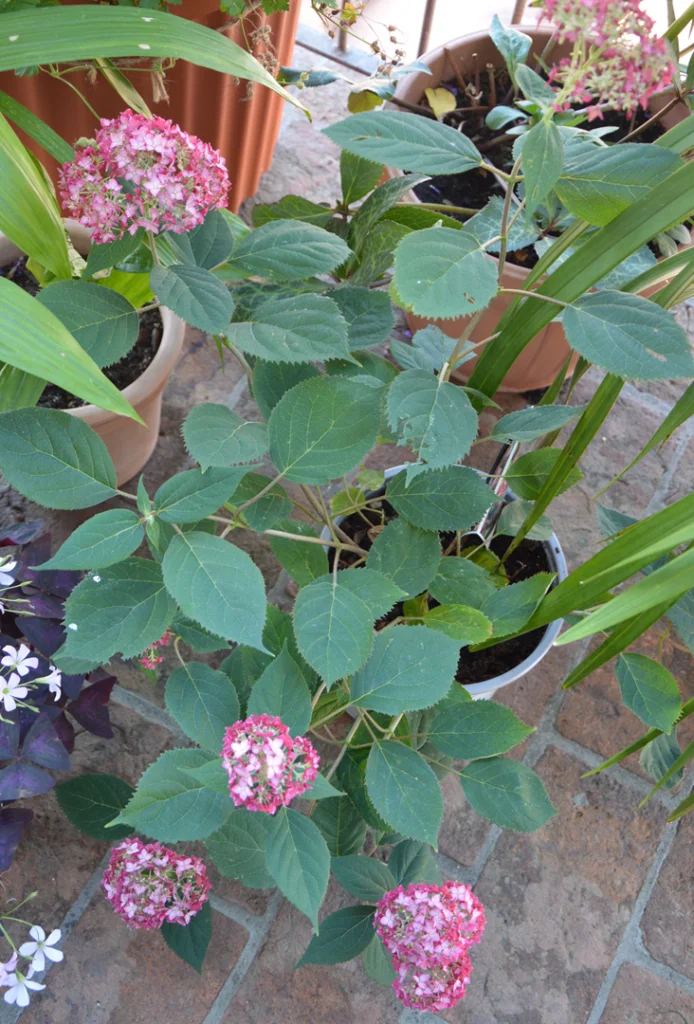
Hydrangea arborescens ‘Ruby Annabelle’ has grown rapidly in a compact pot.