How to Grow an Avocado Pit
Learn how to grow an avocado pit at home with simple steps and patience. Discover the process from preparing the pit to caring for your avocado tree.
How to Grow an Avocado Pit
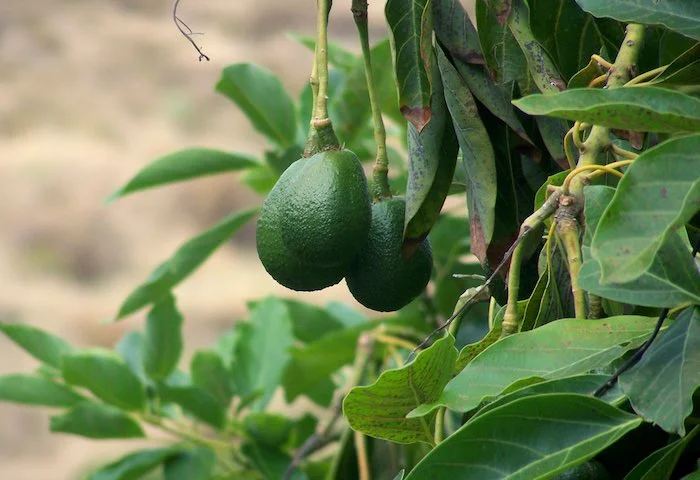
Growing an avocado is a straightforward process. With a few basic steps and a good dose of patience, you can cultivate your own avocado tree at home. Before diving into the details of how to grow your avocado tree, let’s take a moment to understand the avocado itself.
Understanding the Avocado
The avocado is a fruit, not a vegetable, that comes from the avocado tree, which is native to Mexico. The term "avocado" is derived from the Spanish word "aguacate", meaning "testicle", likely due to the shape of the pit.
In its natural habitat, the avocado tree can grow over 20 meters tall. During the summer, the tree blooms and produces flowers that eventually develop into avocados. In France, there are over ten varieties of edible avocados available. Some species can yield very large fruits, weighing around 1 kg, while most produce avocados weighing approximately 200 grams.
Preparing the Avocado Pit
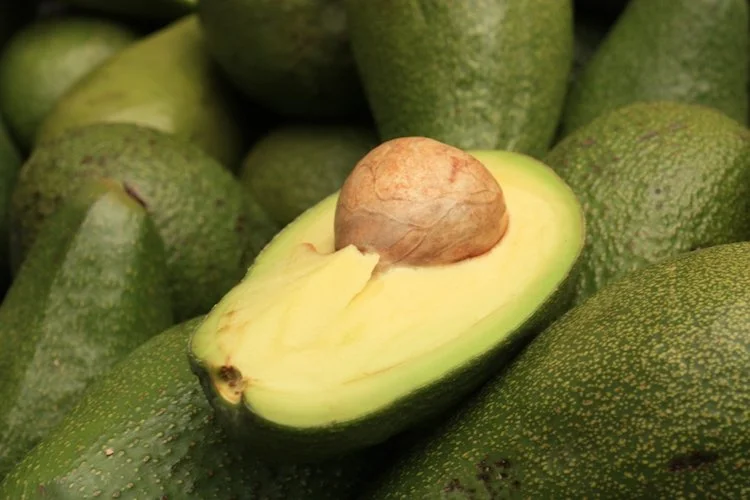
To start, carefully cut open your avocado, ensuring you do not damage the pit with your knife. Select the most attractive pits and remove the flesh by rinsing them under water for a few minutes.
Next, fill a container with water heated to between 35°C and 40°C and immerse the pit for about half an hour. After this time, take the pit out and let it dry in a sunny or well-ventilated area for several hours to eliminate any moisture.
Germinating the Avocado Pit
In this guide, we will use the toothpick method to germinate the pit. Insert 3 to 4 toothpicks or matches into the upper third of the pit, which is the pointed end. Place the pit in a glass filled with clean water, ensuring the flat bottom is submerged. Remember to change the water regularly; if it appears cloudy, replace it.
Set the glass in a well-lit area near a window and be patient. After a few weeks, the pit will split open, and small roots and a sprout will begin to emerge. This is the moment to plant the pit.
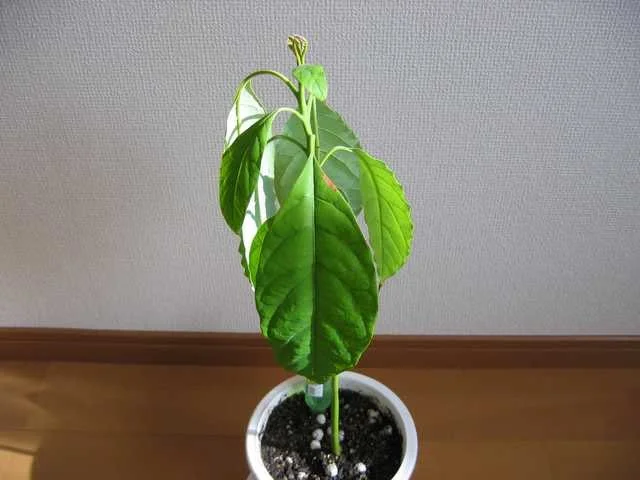
Planting the Avocado Pit
Once your pit has germinated, it’s time to plant it in soil. Choose a pot that is not too wide and fill it with quality potting mix. At the bottom, add a layer of clay pebbles to aid drainage. Fill the pot with seedling or cutting soil.
Create a small hole in the soil and place the pit inside, removing the toothpicks. Ensure that the pointed end of the pit sticks out a few centimeters above the soil. Lightly pack the soil around it and water it.
After planting, position your avocado tree in a well-lit area, preferably near a window or in a sunroom.
Watering the Avocado Tree
An avocado tree, especially when potted, requires regular watering as soon as the soil feels dry. The interval between waterings depends on various factors, including pot size, temperature, and sunlight exposure. It’s essential to monitor the soil and the leaves of the tree. Generally, overwatering causes leaves to yellow, while underwatering leads to browning leaves.
When you first plant the avocado pit, you will need to be particularly attentive, as the young tree is delicate and requires more water. Older avocado trees will need less frequent watering.
Placement of the Avocado Tree
An avocado tree in a pot can thrive both indoors and outdoors. You can place it outside from May to September, or longer depending on your climate. It should be protected from frost in colder periods. The tree requires plenty of light; indoors, it should be placed in a bright room, ideally in front of a large window. In summer or after frost, it enjoys full sun exposure.
Pruning the Avocado Tree
Pruning is rarely necessary for avocado trees, except for established trees or young plants grown in pots. If you have recently planted the pit, you should pinch the top when the stem reaches about 30 to 35 cm. For older trees, removing dead wood can be beneficial.
Fertilizing the Avocado Tree
To promote lush foliage, you can fertilize your avocado tree from April to September. A basic fertilizer for green plants will suffice. For more mature trees, you can enhance blooming and fruiting with a potassium-rich fertilizer, like those used for cacti.
Can a Potted Avocado Tree Bear Fruit?
Growing an avocado tree requires patience—often a lot of it. In the first 8 to 10 years, you shouldn't expect to harvest any fruit. However, its evergreen leaves will make it a beautiful decorative plant. Depending on the variety and the tree's placement, the flowering period runs from June to August, with harvesting occurring between December and March.
Diseases of the Avocado Tree
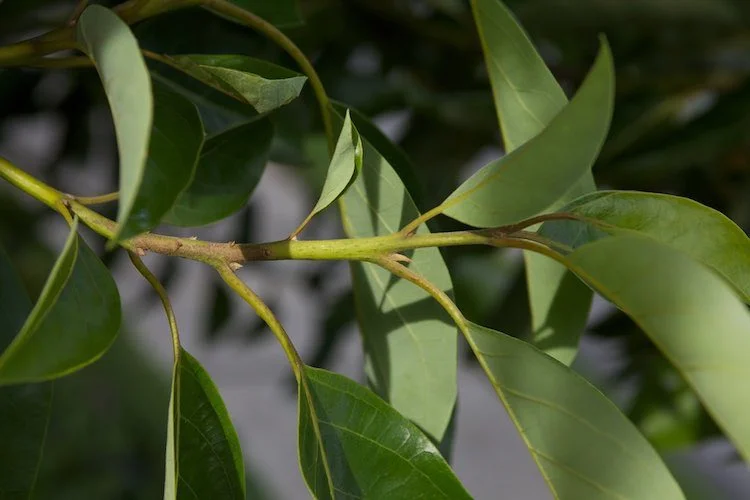
Why Do Avocado Leaves Turn Brown or Black?
Avocado leaves may turn brown or black for several reasons:
- Tips of the leaves turning black or brown: This often occurs due to underwatering or excessive sunlight.
- Leaves falling off: This can happen when older leaves renew or if the tree has experienced temperature shock.
If the leaves display brown spots, it may indicate a fungal infection. Anthracnose is a fungus that causes brown spots on leaves. If affected, it’s important to remove the damaged leaves and treat the tree with nettle manure.