How to Choose the Right Lawn Grass - A Comprehensive Guide
Explore the various types and varieties of grass for your lawn, including rustic, sports, and shade options, to find the best fit for your garden needs.
How to Choose the Right Lawn Grass
Selecting the perfect grass for your lawn can be overwhelming, given the variety of options available. From rustic and English grasses to mixtures designed for shade or dry conditions, it’s essential to find the type that best suits your needs and environment.
Different Types of Grass
Rustic Grass
The rustic grass variety, often referred to as classic lawn grass, is known for its adaptability to various soil types. This universal grass is robust, visually appealing, and easy to maintain. Typically, it consists mainly of creeping and semi-creeping red fescue along with English ryegrass. There are also specific variants designed for sunny areas.
Sports and Play Grass
Designed for high durability, sports and play grass can withstand heavy foot traffic and harsh weather conditions. This type of grass is ideal for creating play areas for children and pets. It should contain at least 60% English ryegrass, tall fescue, and meadow fescue, often marketed as "sports" mixes in retail stores.
Grass for Sunny and Dry Areas
Grass types vary in their response to drought. While some remain lush and green, others may yellow and struggle to recover. The sunny grass is specially formulated for areas exposed to intense heat and dry soil. It should consist of at least 50% drought-resistant species such as tall fescue, red fescue, or sheep fescue.
Shade Grass
Shade grass is tailored for undergrowth and shaded, moist areas. It is also resistant to pests and diseases in humid conditions. This grass typically includes species like English ryegrass, creeping red fescue, and sometimes common fescue.
Flowering or Meadow Grass
Also known as meadow grass, this type allows for the creation of a colorful prairie in your garden. It can also be found labeled as Swiss or Japanese grass in stores. This grass comprises grass species mixed with various annual plants, transforming the lawn into a vibrant wildflower field. It generally includes ryegrass and flowers like daisies, poppies, and clovers.
Grass for Repairing
Repair grass is designed for quickly replacing damaged areas of a lawn due to drought or scarification. This type of grass grows extremely fast and is highly resilient against drought, foot traffic, and treatments (like anti-moss or insecticides). It primarily consists of English ryegrass.
Different Varieties of Grass
English Ryegrass
Once seen as a lower-quality option, English ryegrass is now recognized as one of the best grass varieties, commonly included in most mixes due to significant improvements by breeders.
Advantages:
- Grows quickly
- Suitable for all soil types
- Good foot traffic resistance
- Excellent longevity
- Tolerant of shade and remains green in winter
Creeping Red Fescue
This variety features fine leaves that create thin, dense lawns.
Advantages:
- Very fine and lightweight grass
- Supports short and regular mowing
- Stays green in winter
- Tolerates moderate drought
Semi-Creeping Red Fescue
Similar to the creeping variety, the semi-creeping red fescue produces fine, dense grass but is more resistant to foot traffic, cold, and drought.
Advantages:
- Produces fine, dense grass
- Good foot traffic resistance
- Tolerates sun and cold
- Accepts short, regular mowing
Hard Sheep Fescue
This species yields a very fine, compact, and dense lawn. Its traits make it suitable for ornamental lawns and it can also be found in grass mixes for golf course creation.
Advantages:
- Remains green in summer
- Good drought resistance
- Very fine and dense grass
- Resists diseases well
- Accepts short mowing
Tall Fescue
Tall fescue is gaining popularity due to its resilience in extreme conditions: drought, cold temperatures, and excess water. This variety now makes up over 10% of grass mixes sold in France.
Advantages:
- Suitable for all types of soil, including saline
- Good drought and cold resistance
- Tolerates excess water
- Resists foot traffic and diseases
Agrostis
Different species of agrostis (common, tenuis, and others) produce a fine, dense grass with a beautiful green color. Although it is challenging to sow and requires careful maintenance, it is primarily used in professional grass mixes, especially for golf greens.
Advantages:
- Fine, dense foliage
- Beautiful green color
- Supports close and frequent mowing
- Excellent resistance to humidity and cold
Meadow Fescue
Meadow fescue (common or meadow) is known for its resistance to foot traffic and tearing, making it a popular choice for sports fields (soccer, rugby, etc.).
Advantages:
- High resistance to foot traffic
- Very dense and robust grass
- Suitable for various soil types
- Good durability
- Tolerates wet soils
Grass Comparison 2025
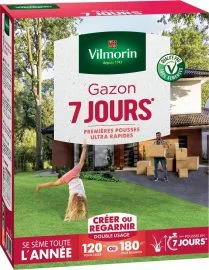
Vilmorin – Fast-Growing Grass in 7 Days
This grass is designed for those looking to quickly establish or repair a lawn. With professional-grade seeds, Vilmorin guarantees visible growth within a week.
Type: Lawn establishment or repair
Advantages:
- Ultra-fast growth
- Professional-grade seed
- Good drought resistance
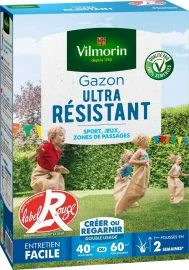
Vilmorin – Ultra-Resistant Grass
To fully enjoy a lawn with reduced maintenance, Vilmorin has developed the ultra-resistant grass, composed of a rustic mix that allows for a quick establishment of a dense lawn or repair of damaged areas.
Type: Grass for play, sports, relaxation, and high-traffic areas
Advantages:
- Rapid growth
- Adapts to all soil types
- Robust grass with easy maintenance
- Professional-grade seed
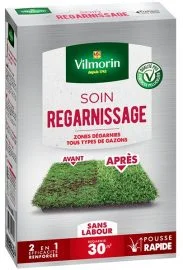
Vilmorin – Universal Repair Care
This universal repair care combines grass seeds with algae-based fertilizers. This 2-in-1 mix promotes rapid growth and deep rooting of young grass, ideal for renovating or repairing a damaged lawn without tilling.
Type: Repair grass, renovation, or restoration
Advantages:
- Rapid growth
- 2-in-1 grass with fertilizer (algae-based)
- Professional-grade seed mix
- Robust grass seeds
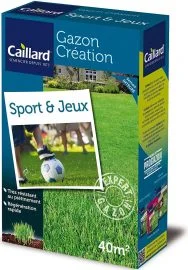
Caillard – Sports and Play Grass
The sports and play grass from Caillard is made up of species resistant to foot traffic and tearing. This robust grass is perfect for creating a play area where children can enjoy themselves for extended periods.
Type: Grass for sports, play, sports fields, play areas
Advantages:
- Quick and easy installation
- Rapid regeneration
- High resistance to foot traffic
- Robust grass
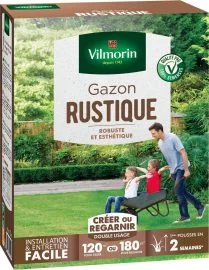
Vilmorin – Rustic Grass
Rustic grass adapts well to all terrains. It consists of seeds that are both robust and aesthetically pleasing. This lawn is designed for those seeking an easy-to-grow grass that requires minimal maintenance.
Type: Resistant, rustic grass, low maintenance
Advantages:
- Easy installation
- Initial growth within 2 weeks
- Robust seed mix
- Requires minimal maintenance
- Good drought resistance
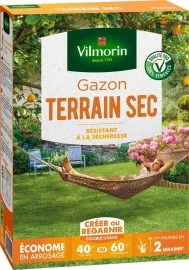
Vilmorin – Grass for Dry Areas
The Vilmorin dry area grass is specifically designed to achieve beautiful green lawns in summer, even on poor and challenging soils. It primarily consists of a grass mix that requires minimal watering and is highly drought-resistant.
Type: Low-water grass, drought-resistant grass, dry area grass
Advantages:
- Adapts to all soil types
- Excellent drought resistance
- Requires minimal watering
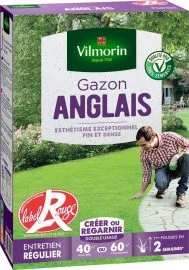
Vilmorin – English Grass
The English grass from Vilmorin is perfect for anyone wanting a lawn reminiscent of a British garden. It consists of a red label grass mix that is extremely fine and dense, enhancing the beauty of your garden.
Type: English grass
Advantages:
- High-quality grass
- Exceptional aesthetics
- Fine and dense lawn
- Red label grass
Choosing Your Lawn Based on Criteria
A Low-Maintenance Grass
Selecting a rustic lawn that requires minimal maintenance can be beneficial for several reasons:
- Time constraints: Mowing, scarifying, watering, or fertilizing takes time.
- Poor soil conditions: Some grasses may struggle in less-than-ideal soil.
By understanding the different types and varieties of grass available, gardeners can make informed decisions that will lead to vibrant and healthy lawns.