The Hidden Challenges of English Lawn: What You Need to Know
Discover the hidden challenges of maintaining an English lawn, from excessive water needs to high maintenance costs, and explore more sustainable alternatives for your garden.
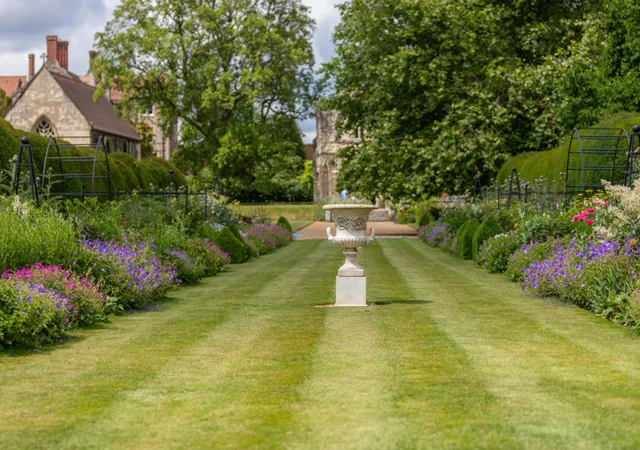
The allure of an English lawn lies in its lush, velvety appearance, reminiscent of the immaculate lawns found in British estates. However, this grass type, primarily composed of fine fescues, perennial ryegrass, and meadow grass, comes with significant maintenance challenges that can quickly turn your dream of a perfect lawn into a maintenance nightmare.
Before you succumb to its visual charm, it's essential to understand the major challenges posed by this type of grass to better assess whether it aligns with your expectations and lifestyle.
Excessive Maintenance Requirements of English Lawn
Caring for an English lawn can feel like a relentless race against time. This variety demands constant attention and meticulous care, which can become exhausting for unprepared homeowners.
The Need for Rigorous Weekly Mowing
Your English lawn requires mowing once or twice a week during the active growth period, which spans from April to September. This high frequency is due to the rapid growth of the fine grasses that compose it.
Maintaining a precise cutting height of 2 to 3 centimeters is crucial to preserve its characteristic velvety appearance. Any neglect in this routine can lead to rapid yellowing or promote weed invasion, completely undermining the desired aesthetic.
Regular Fertilization and Scarification Needs
Fertilization is another significant challenge, necessitating four to six applications of nitrogen-rich fertilizer each year. These regular nutrient inputs are essential to maintain the vibrant green color and density of the lawn.
Scarification and soil aeration must also be performed once or twice a year to prevent compaction and ensure optimal drainage. These technical operations require specialized equipment and particular expertise.
Water Consumption Issues
Irrigating an English lawn is one of its most pressing drawbacks, both economically and environmentally. This variety exhibits an insatiable thirst that can quickly inflate your water bill.
Significant Water Needs During Summer
Your English lawn demands between 25 and 40 liters of water per square meter each week during dry periods. For a 100-square-meter garden, this equates to up to 4,000 liters of water weekly in the summer.
This extreme sensitivity to drought manifests in rapid yellowing when irrigation becomes insufficient. Recent heatwaves have particularly highlighted this vulnerability across many regions of France.
Impact on Water Bills and the Environment
Watering costs can reach between 300 and 600 euros annually for 100 square meters, including water and the installation of an efficient drip system. This expense is exacerbated by the rising water prices observed in France.
The environmental impact of this excessive consumption also raises concerns in a context of dwindling water resources and increasing awareness of ecological issues.
Vulnerability to Diseases and Pests
English lawns are particularly fragile against external aggressions. Their delicate composition makes them prime targets for numerous pests and pathogens that can quickly compromise their beauty.
Common Fungi and Pests
Pathogenic fungi such as rusts and fusarium frequently attack this grass type. Aphids and threadworms also pose constant threats to its health.
The reduction in frost days observed in recent years encourages the proliferation of these harmful organisms. This climatic evolution significantly exacerbates the health issues faced by English lawns.
Necessary Treatments and Their Constraints
Fungicides and insecticides become essential two to four times a year, leading to an annual cost of 150 to 300 euros for 100 square meters. These chemical interventions raise legitimate environmental and health concerns.
The absence of preventive treatment can result in the loss of 30 to 50% of the vegetation cover, permanently compromising your lawn's aesthetic and necessitating costly renovations.
Low Resistance to Foot Traffic and Climatic Conditions
The delicacy of English lawns presents significant challenges for daily family use. This fragility considerably limits the usability of your green space.
Damage from Children and Pets
Intensive foot traffic causes rapid degradation, with bald patches appearing after fewer than 50 repeated passes. Activities such as children's play, pets running around, or even daily foot traffic can severely damage the lawn.
This extreme sensitivity makes English lawns unsuitable for active families or pet owners who wish to fully enjoy their garden.
Sensitivity to Frost and Heat Waves
Extreme climatic variations pose a major challenge for this fragile variety. Late frosts in April and harsh winters can cause significant damage, as evidenced by observations in certain French regions.
Heat waves, hail, and prolonged droughts exacerbate these issues and can lead to substantial losses requiring partial or complete lawn renovations.
High Overall Cost
The financial investment associated with an English lawn far exceeds that of other grass types. This cost difference arises from the particular demands of this variety in both installation and maintenance.
Significant Initial Investment
Installing an English lawn costs between 15 and 30 euros per square meter, whether you choose seeds or ready-to-lay sod. For a 100-square-meter area, the initial investment ranges from 1,500 to 3,000 euros.
This considerable sum is justified by the superior quality of the seeds and the meticulous ground preparation needed to ensure successful establishment.
Annual Maintenance Expenses
The annual maintenance budget varies between 1,000 and 2,000 euros for 100 square meters, which is three to four times higher than that of traditional rustic grass. This significant difference results from the increased frequency of required interventions.
| Maintenance Operation | Annual Frequency | Cost for 100 m² | |---------------------------|------------------|-------------------| | Professional Mowing | 40 to 50 times | 200 to 400 € | | Watering and Equipment | Daily in summer | 300 to 600 € | | Fertilization | 4 to 6 times | 100 to 200 € | | Sanitary Treatments | 2 to 4 times | 150 to 300 € | | Scarification | 1 to 2 times | 100 to 250 € |
Negative Environmental Impact
English lawns raise serious environmental questions due to their resource and chemical demands. This significant ecological footprint contrasts sharply with current sustainable development concerns.
Intensive Use of Fertilizers and Pesticides
This variety requires up to 200 kilograms of nitrogen per hectare annually, leading to intensive use of chemical fertilizers. These massive inputs contribute to groundwater pollution and disrupt aquatic ecosystems.
Repeated pesticide treatments also contaminate soils and affect beneficial fauna, creating ecological imbalances in your garden and beyond.
Low Contribution to Biodiversity
The monoculture represented by English lawns offers little benefit to pollinating insects and local wildlife. This biological poverty starkly contrasts with natural meadows that host a variety of plant and animal species.
Intensive maintenance and chemical treatments systematically eliminate all spontaneous vegetation, depriving the local ecosystem of food resources and natural habitats.
More Suitable Alternatives for Modern Gardens
Given the numerous drawbacks of English lawns, several alternative solutions can create an attractive green space while reducing maintenance burdens and environmental impact.
Rustic and Ecological Lawns
Rustic lawns composed of Italian ryegrass and clover exhibit superior resistance to foot traffic and climatic variations. This alternative requires mowing only every two weeks and reduces watering needs by 50%.
- Ecological lawns with a mix of local grasses
- Flowering meadows requiring minimal maintenance
- Special mixtures resistant to drought
- Slow-growing lawns that decrease mowing frequency
No-Lawn or Mixed Solutions
Alternative ground covers offer creative possibilities for landscaping your garden without the constraints of traditional grass. These solutions adapt better to local conditions and demand fewer resources.
- Pachysandra for shaded areas
- Thyme for sunny spots
- Tapestry perennials mix
- Mineral zones with decorative gravel
- Alternating between rustic lawn and flowering beds
These alternatives can reduce maintenance costs by 70% while creating more environmentally friendly spaces that are better suited to current climatic challenges.