How to Choose the Best Organic Preparations for Your Garden
Explore effective organic gardening methods like fermented extracts, decoctions, infusions, and macerations. Learn how to use these natural preparations to boost plant health and manage pests.
How to Choose the Best Organic Preparations for Your Garden
August 14, 2026
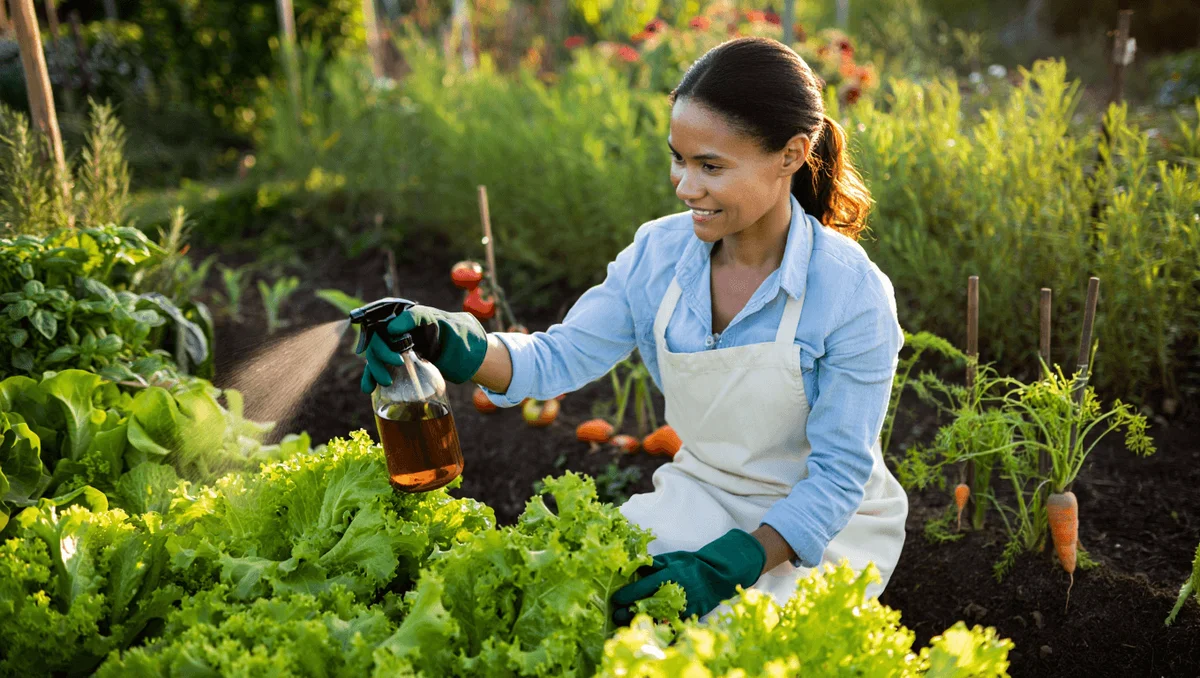
In modern gardening, there is a growing shift towards gentle solutions that replace traditional pesticides. Following the ban on chemical pesticides for home use, many gardeners are now turning to homemade preparations such as plant ferments, decoctions, infusions, and macerations. These natural remedies not only provide cost-effective alternatives but also effectively stimulate plant growth and combat diseases. This guide will help you identify each method and apply them correctly in your garden.
What is a Fermented Extract and How to Use It?
The term fermented extract has replaced the older term purin in official vocabulary, yet the underlying principle remains the same. It involves the fermentation of fresh plants in water to extract their active components. The resulting mixture primarily serves as a tonic and growth activator for the garden.
To achieve successful fermentation, adhere to a few simple guidelines. Choose a non-ferrous container that is tall enough, preferably use rainwater with a pH above 5, and ensure that the plants are cut cleanly. The ideal ambient temperature for fermentation ranges from 15 to 35 degrees Celsius, and the duration can vary from five to thirty days depending on the season.
Different plants yield various benefits. For instance, nettle extract enhances the vigor and resilience of crops, comfrey provides essential nutrients for young plants, and horsetail helps prevent fungal diseases. Store the extract in a sealed container to minimize oxidation and degradation.
How to Make a Reliable Homemade Decoction?
Decoction is suitable for plant materials that do not release their active compounds well when cold. Start by soaking chopped plants for twenty-four hours, then bring the mixture to a boil, covered, for twenty to thirty minutes. This process extracts more resilient compounds compared to those obtained through infusion.
Decoctions should be used promptly, as they rarely last more than a day when stored in the refrigerator. Some preparations, such as garlic decoction, possess insecticidal and fungicidal properties that are beneficial in the garden. Apply the solution either diluted or undiluted depending on the sensitivity of the plants being treated.
When to Choose an Infusion Instead of a Decoction?
Infusions are similar to making herbal teas and are suitable for the softer parts of plants. After pouring boiling water over the chopped plant material, cover it and allow it to steep until it cools before straining. This method preserves volatile molecules and beneficial aromas that deter certain pests.
The shelf life of infusions is short, with effectiveness diminishing after twenty-four hours. Infusions made from tansy, mint, or lavender are often effective as insect repellents and mild insecticides. These preparations can be used either pure or diluted, depending on the needs of your plants.
How Does Maceration Work in the Garden?
Maceration extracts active ingredients without heat by soaking plants in water or oil. This method is straightforward and quick, yielding gentle preparations for seedlings and leaf protection. Maceration avoids heat loss and preserves certain compounds intact.
Aqueous or Oily Maceration?
Aqueous maceration is commonly used as a mild insecticide or fungicide. Immersing the plants for twenty-four to forty-eight hours quickly releases active components before fermentation begins. Conversely, oil captures fat-soluble molecules and is particularly useful for preparations that repel or nourish foliage.
Duration and Storage?
Maceration is best used immediately and should be kept for a maximum of two days out of direct light. Prolonged maceration can lead to unwanted fermentation, diminishing effectiveness. Adjust the concentration and test on a small leaf before applying broadly.
Which Plants to Favor for the Garden and Their Uses?
Several plants are particularly well-suited for homemade preparations and offer complementary effects. Some enhance growth, others protect against diseases, and a few repel insects. Understanding their properties helps in making informed choices based on your garden’s needs.
| Plant | Recommended Method | Main Use | |--------------|------------------------|-----------------------------------------------------| | Nettle | Fermented extract | Growth stimulant and aid against certain pests | | Comfrey | Fermented extract | Nutrient-rich potassium source for development | | Horsetail | Decoction | Fungal disease prevention | | Yarrow & Tansy | Infusion | Natural insect repellents and deterrents | | Garlic & Onion | Decoction or maceration | Fungicidal and insecticidal action |
A few good practices can enhance the success of your preparations. Maintain tool cleanliness, prefer rainwater, and adjust dilutions based on plant sensitivity. Always test a small area before widespread application to avoid phytotoxicity.
- Non-metallic containers to prevent oxidation
- Moderate temperatures for fermentation
- Filtration before use to limit sediment