Using Nematodes to Combat Ants: A Natural Approach to Pest Control
Ants can be a nuisance in gardens and around homes. Learn how nematodes provide a natural and effective solution for controlling ant populations without chemicals.
Ants in the garden, beneath patio slabs, or around plant pots can become a significant nuisance. Nematodes are a proven biological method that can naturally drive entire colonies away.
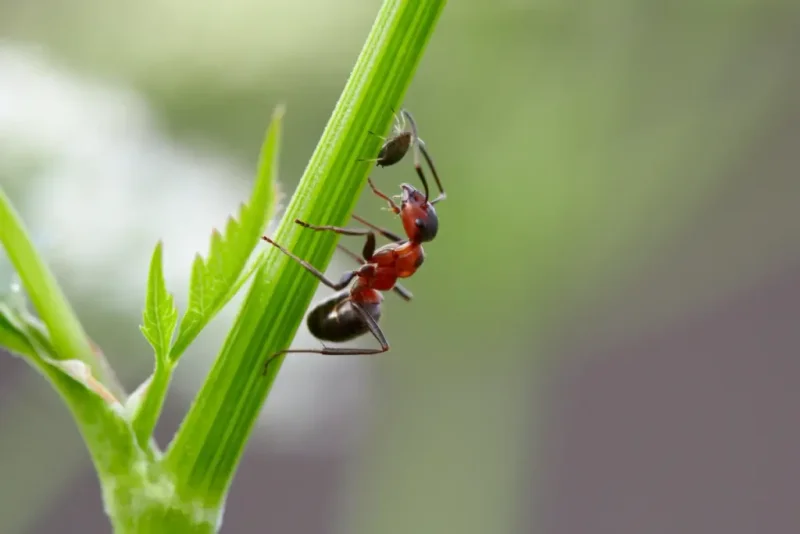
Ants (Formicidae) are a common sight in gardens, serving beneficial roles similar to earthworms and ladybugs. They aerate the soil, decompose organic matter, and facilitate seed dispersal. However, when their presence becomes overwhelming—such as when they burrow under patio slabs or invade vegetable beds—they shift from being helpful to harmful. Native ant species can often be managed effectively.
Yet, not all ant species can be easily controlled. The invasive Big-Headed Ant (Tapinoma magnum) poses a particular challenge due to its formation of massive supercolonies with hundreds of queens, making them difficult to displace. In such cases, nematodes can be a valuable ally, prompting these colonies to relocate. These tiny roundworms can drive entire ant populations away without leaving toxic residues, all while maintaining the ecological balance in the garden.
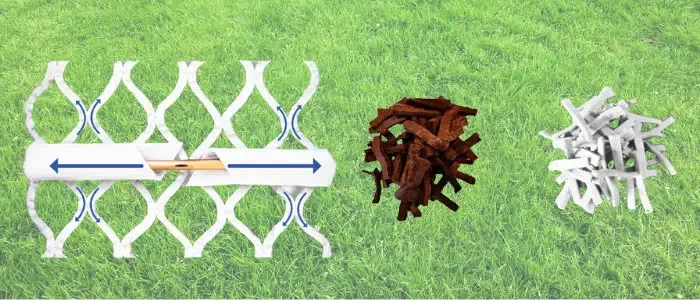
Nematodes (Nematoda) are microscopic roundworms that naturally inhabit the soil. For ant control, the species Steinernema feltiae, commonly referred to as SF-nematodes, is utilized. These beneficial organisms invade underground ant nests and target the brood. This disturbance triggers a flight response throughout the nest, leading the colony to abandon its current location in search of a safer environment, far from the nematode-infested soil. Queens and winged ants are particularly sensitive to direct contact with these roundworms.
- The colony loses its offspring, weakening it.
- The disturbed nest environment prompts the ants to vacate.
💡 Tip: SF-nematodes are completely safe for humans, pets, and plants. They operate solely in the soil and do not harm beneficial organisms like earthworms or pollinators such as bees.
Applying Nematodes Against Ants
Using roundworms to combat ants is highly effective but requires some preparation and the right conditions.
Timing for Applying SF-Nematodes
The best time to apply nematodes is from April to September, as soon as the first ant trails become visible. At the start of the season, ant colonies are still small, making them easier to manage. Soil temperatures should be around 12 °C, as this is when ants become active. If temperatures drop below 8 °C in the evening, the nematodes will become inactive but will not die and will resume activity once the soil warms up again. Conversely, temperatures above 25 °C significantly reduce their effectiveness, so hot summer days are not ideal for application.
💡 Tip: If new ant nests appear during the summer, you can reapply nematodes at any time to effectively curb the infestation.
Conditions for Successful Application
It is best to apply the solution in the evening or on cloudy days since UV light can kill the nematodes. The soil should be well-moistened before treatment. If you are starting after a dry spell, thoroughly water the nest area beforehand. If insecticides have been used recently, allow at least six weeks to pass before introducing nematodes.
Step-by-Step Instructions
- First, thoroughly water the entire nest area to ensure the soil is moist even in deeper layers.
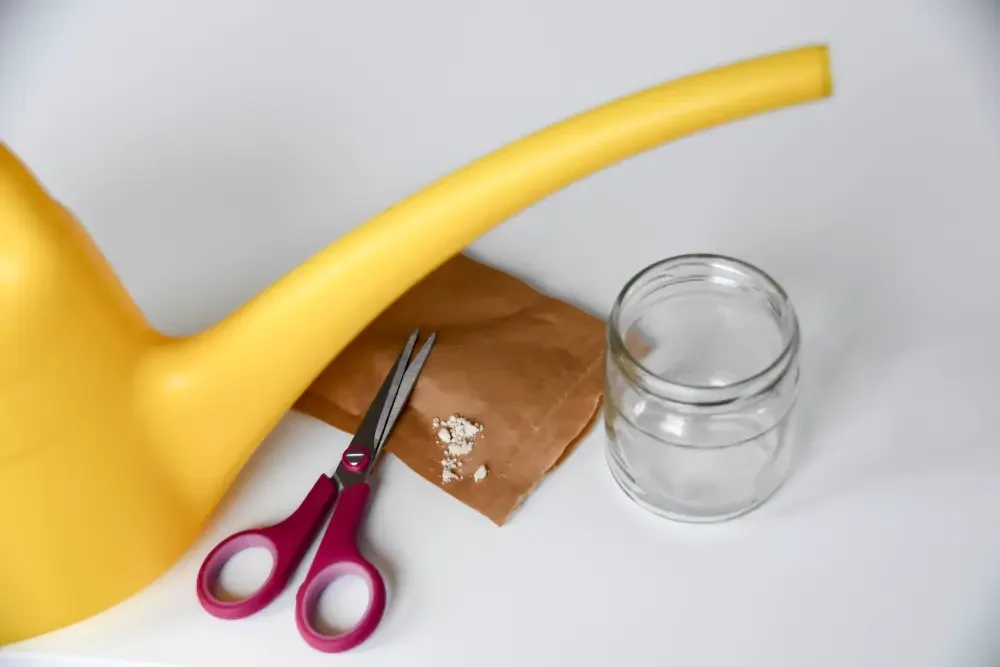
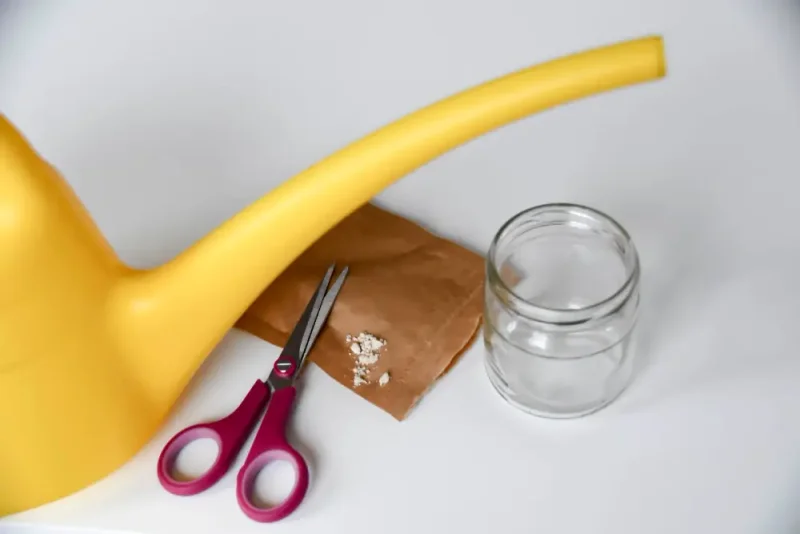
- Then dissolve the contents of the bag in one liter of water and stir well. This concentration should be mixed into a watering can containing nine liters of water (specific instructions may vary based on the packaging).
- Use the prepared solution immediately, as nematodes are sensitive to lack of oxygen.
- Pour the solution directly into the nest openings, tunnels, and crevices, and for lawns, focus on the area around the nest entrance. Finally, water again to wash any nematodes that may have stuck to plant parts back into the soil.
- Keep the soil evenly moist for the next two weeks.
💡 Tip: For crevices and tight spaces, using a large disposable syringe without a needle allows for targeted application. A common mistake during application is starting with too dry soil.
Dosage: How Many Nematodes You Need per Nest
The number of nematodes required depends on the location of the ant nest. A reliable rule of thumb is:
Paved Areas and Pathways
For nests beneath paving stones or in joints, dissolve five million nematodes in 2.5 liters of water. This quantity is sufficient for about five nests. Pour 0.5 liters slowly and directly into the visible nest entrances and cracks per nest.
Lawns, Beds, and Plant Pots
For these areas, mix five million nematodes in five liters of water and pour one liter directly onto and into the nest entrance per nest. This is also adequate for about five treatment sites.
Special Consideration: Combatting Tapinoma magnum with Nematodes
The invasive Big-Headed Ant (Tapinoma magnum) originates from the western Mediterranean and was introduced to Germany through plant transport. Their nests can extend up to one meter deep and are interconnected with neighboring sub-nests.
This leads to the formation of vast supercolonies that can spread over large areas. Treating just one nest will often result in the ants fleeing through underground connections to nearby nests, returning within days. Therefore, it is insufficient to apply nematodes only in isolated spots; treatment must be extensive and deep. Additionally, this ant species remains active almost year-round, unlike native ants, which take a winter break.

💡 From my experience, a solid strategy is essential.
Combating Tapinoma magnum is always a community effort. If only one property is treated, ants will quickly flood back through neighboring nest connections. Engage affected neighbors and coordinate the treatment.
- It is advisable to start with at least 50 million nematodes and treat the area generously.
- After about two weeks, follow up with a second round using 100 million nematodes.
- It is crucial to keep the treated area evenly moist for 14 days, as this allows the nematodes to reach the deep larval chambers.
While the application requires patience, it is the only way to ensure that the nematodes reach deeper larval chambers and connected sub-nests. Those who remain consistent will have the best chances of gradually controlling stubborn populations.
Purchasing Nematodes: What to Look For
SF-nematodes can be found at well-stocked garden centers and online, such as from Neudorff or the specialized supplier e-nema with the product nemaplus. Common packaging sizes contain ten million nematodes for ten square meters or three to five nests. For larger areas or to combat Tapinoma magnum, packs containing 50 million nematodes are available. When purchasing, ensure that the expiration date is fresh, as nematodes are living organisms and only function effectively in good quality.
💡 Tip: Storing Nematodes Nematodes are alive and should be applied as fresh as possible. If immediate application is not possible, they can be stored in the refrigerator at 4 to 8 °C for a maximum of one week.
Conclusion: Effectively Combatting Ants Without Chemicals
Using nematodes against ants is a reliable method when the soil is moist, temperatures are between 12 and 25 °C, and application occurs in the shade or during the evening. Native ant species often respond to a single treatment; however, in cases of persistent infestations, a follow-up treatment after four to six weeks is recommended. In the case of Tapinoma magnum, at least two treatments, a higher quantity of nematodes, and a coordinated approach with neighbors are necessary. For those unsure about the necessity of nematodes, trying natural remedies for ants may suffice for small nests.
Unlike chemical solutions, these roundworms leave no residues in the soil, do not harm earthworms or vital pollinators, and pose no risk to pets or children at play.
Frequently Asked Questions About Nematodes
How quickly do nematodes work against ants?
Depending on soil conditions, initial effects can be seen within five to 14 days. Ant colonies rarely abandon their location overnight. It is advisable to wait the full two-week moisture maintenance period before considering a second treatment.
Can I use nematodes on the terrace?
Yes, SF-nematodes work reliably in paving joints and under paving stones. The solution should be poured slowly and precisely into cracks and visible nest entrances. A disposable syringe without a needle is helpful for targeted application.
How often should treatment occur?
For native ant species, often a single application is sufficient. In cases of heavy infestation, a follow-up after four to six weeks is advisable. For Tapinoma magnum, at least two treatments spaced two weeks apart are necessary.
What if there is no effect?
Check soil temperature, moisture, and dosage. Deep-seated nests and supercolonies like those of Tapinoma magnum require more nematodes, more water, and multiple applications. If a chemical treatment was recently used, the nematodes may struggle to survive.
Are nematodes suitable for indoor use against ants?
Nematodes are not suitable for indoor use, as they require soil moisture and temperature. In indoor settings, bait traps placed along ant trails are a more effective method.