Growing Ground Cover Plants in Your Vegetable Garden
Discover the benefits of ground cover plants in your vegetable garden, including moisture retention, pest control, and soil health. Learn how to choose and establish them effectively.
Introduction
Ground cover plants can be a game-changer for your vegetable garden, providing a range of benefits from moisture retention to pest control. If you're tired of constant watering for your tomatoes and looking for an eco-friendly and economical solution, ground cover plants may be the answer you need.
What Are Ground Cover Plants?
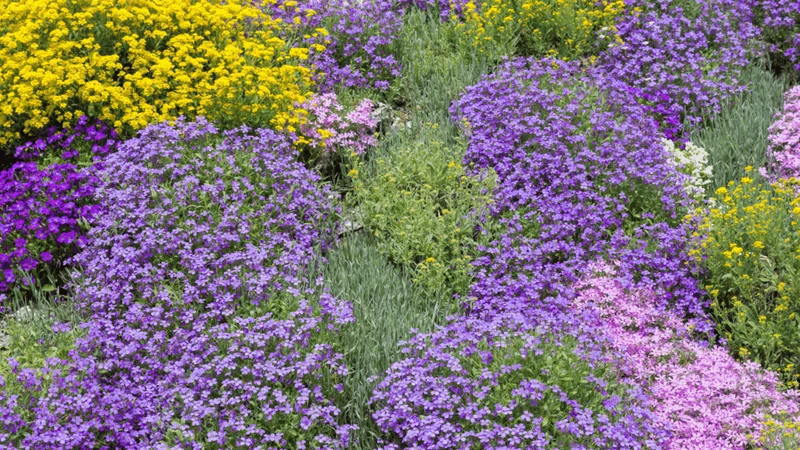
Ground cover plants are fast-growing varieties that spread across the surface of a garden bed, similar to grass. While often associated with ornamental gardens, they are increasingly recognized for their effectiveness in vegetable gardening. These plants not only suppress weeds but also help maintain soil moisture and promote underground biodiversity. Most ground cover plants are perennials, meaning they bloom year after year, though some annual varieties require replanting each season. They typically demand little maintenance, making them an ideal choice for gardeners.
Choosing the right ground cover involves considering the specific conditions of your garden, including soil type, slope, and climate. Many varieties are drought-resistant, which is particularly valuable in the context of climate change, allowing for a more resilient vegetable garden.
Benefits for Your Vegetables
Incorporating ground cover plants around your vegetables can significantly enhance the health of your garden. Their foliage filters water and protects the soil from pollutants, while their deep roots combat erosion and hydrate the soil. Additionally, ground covers provide shelter for beneficial creatures like hedgehogs, which help control pests such as slugs. The decaying leaves of ground cover plants enrich the soil, reducing the need for fertilizers. Furthermore, this green carpet offers shade and cooling for your crops, crucial for protecting them from harsh sunlight.
The Role of Weeds
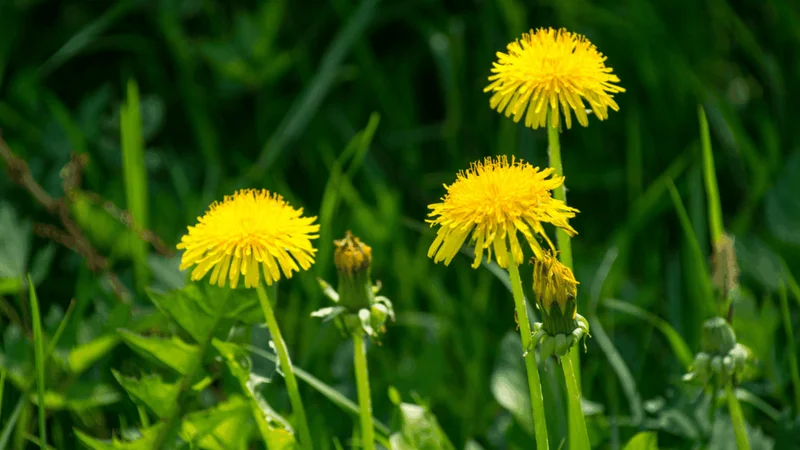
It’s important to reconsider the role of weeds, often labeled as nuisances. Many weeds act as ground covers and bioindicators, revealing the health and characteristics of your soil. They inform you about issues like nutrient deficiency, dryness, acidity, or pollution. While regular weeding is necessary to prevent them from overshadowing your crops, these plants play a vital role in maintaining ecological balance.
Research from the National Center for Scientific Research (CNRS) indicates that preserving a variety of weeds, especially rare species, can enhance pest control, soil fertility, and pollination, ultimately benefiting biodiversity.
If you're overwhelmed by weeds, hand-pulling or using an electric weeder to remove only the aerial parts can be effective. Avoid turning the soil, as this can expose new seeds to light and encourage germination. The best preventive measure against weed proliferation is to cover the soil adequately, either through mulching or densely planting ground cover.
How to Establish Ground Cover in Your Garden
- Analyze Your Plot: Determine whether it is sunny or shady, dry or wet, flat or sloped.
- Prepare the Soil: Treat it as you would for seeding or planting by loosening the top layer, weeding, and leveling it.
- Choose the Right Spacing: Depending on the variety, space plants 20 to 40 cm apart, arranging them naturally or in rows for easier maintenance.
- Watering: Initially water by hand or with a drip system, reducing frequency once established, unless under extreme heat.
- Regular Monitoring: Check your plants frequently, pruning any that are damaged or diseased. Avoid composting these to prevent disease spread.
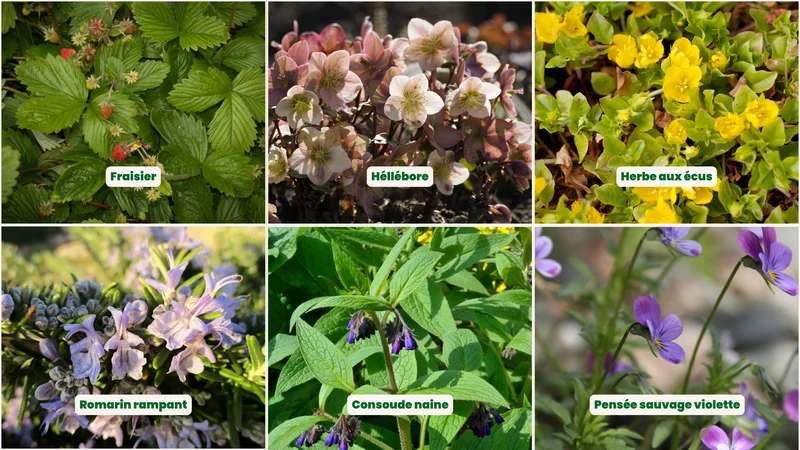
Selecting Effective Ground Covers for Your Vegetable Garden
Opt for local varieties that are better suited to your climate and require less maintenance. Be mindful of the growth rates and interspecies compatibility to avoid invasive plants. Additionally, choose companion plants that enhance the growth of your vegetables and deter pests. Here are some excellent options:
Strawberry
- Type: Short-lived perennial, cold-resistant, fast-spreading foliage.
- Cultivation: Sow from January to March; plant from mid-August to mid-October.
- Climate: Mild.
- Soil: Variable.
- Exposure: Full sun.
- Spacing: 30 to 40 cm.
- Watering: Once a week.
- Flowering: Late spring to early summer.
- Harvest: Late May to late July.
- Maintenance: Trim runners to prevent plant exhaustion.
- Companion Plants: Beans, lamb's lettuce, leeks, chives, yellow onions, garlic, spinach, lettuce, turnips, borage, tomatoes, basil, spruce, watercress, phacelia, chervil, mustard, thyme, and shallots.
Hellebore
- Type: Cold-resistant perennial, drought-resistant, disease-resistant, medium-spreading foliage, well-suited for sloped terrain.
- Cultivation: Sow from late May to early June or in autumn; plant from September to November or early spring.
- Climate: Temperate.
- Soil: Calcareous.
- Exposure: Shade to partial shade.
- Spacing: 40 to 50 cm.
- Watering: Once a week.
- Flowering: From late winter to early summer.
- Maintenance: Move plants exceeding their area or compost them; prune old foliage in spring.
- Companion Plants: Aromatic plants like thyme or chives.
Pennywort
- Type: Cold-resistant perennial, medium-spreading foliage, thrives in moist conditions.
- Cultivation: Sow and plant in spring or autumn.
- Climate: Temperate.
- Soil: Rich, cool, and moist.
- Exposure: Partial shade to sunny.
- Spacing: 25 to 30 cm.
- Watering: Regular during dry periods.
- Flowering: In summer.
- Maintenance: Rake fallen leaves and cut damaged stems.
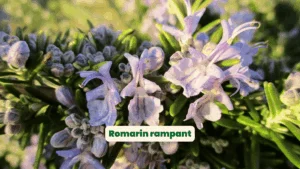
Creeping Rosemary
- Type: Cold-resistant perennial, drought-resistant, and salt-tolerant, slow-spreading foliage.
- Cultivation: Sow or plant from March to May or September to October.
- Climate: Mediterranean.
- Soil: Dry and poor.
- Exposure: Full sun.
- Spacing: 70 cm to 1.5 m.
- Watering: Once a week, twice during extreme heat.
- Flowering: From spring to autumn.
- Maintenance: Occasional pruning.
- Companion Plants: Cabbage, carrots, onions, garlic, beans, tomatoes, peppers, and chili peppers.
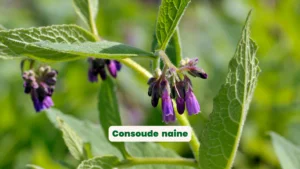
Dwarf Comfrey
- Type: Cold-resistant perennial, drought-resistant, disease-resistant, adapts well to sloped terrain, medium-spreading deciduous foliage.
- Cultivation: Sow and plant in spring or autumn.
- Climate: Temperate.
- Soil: Rich and well-drained.
- Exposure: Full sun to partial shade.
- Spacing: 30 to 40 cm.
- Watering: Regularly during dry spells.
- Flowering: Late spring to early summer.
- Maintenance: Cut back flowering stems to promote new growth.
- Companion Plants: Great for intercropping with vegetables to enhance nutrient availability.