Grow Your Organic Strawberries Stress-Free 🌱🍓
Strawberries evoke sweet summer memories, but how can we enjoy them sustainably? Discover organic gardening techniques like layering and mulching that maximize growth while conserving water.
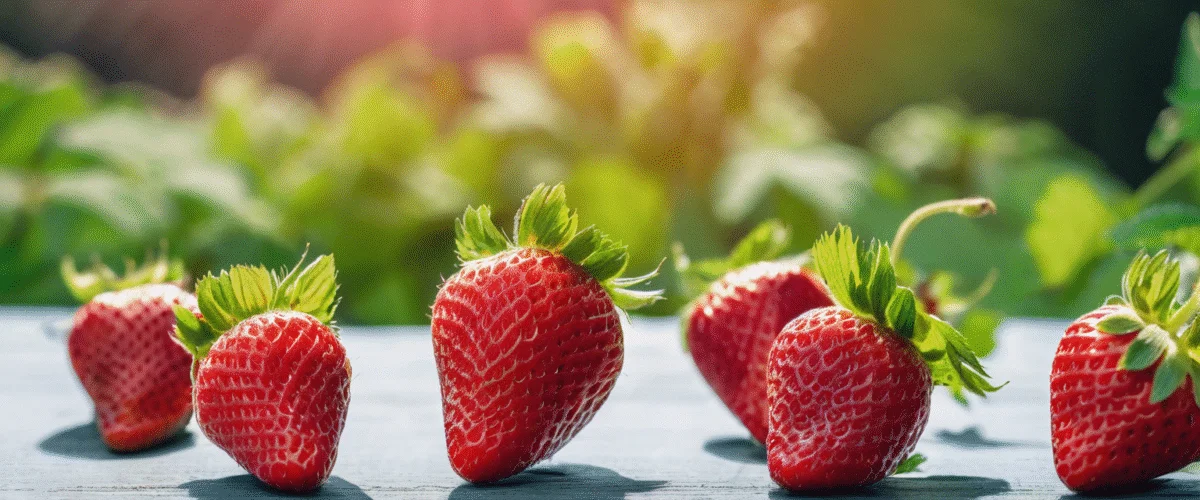
Strawberries, those delightful red treats, evoke sweet memories of summer for many of us. But how can we enjoy juicy strawberries while being mindful of our planet, especially during dry spells? The answer lies in ingenious organic methods that enhance your plants' growth without requiring excessive water. This article explores various sustainable gardening secrets that will transform your garden into a summer oasis. Whether you have a sprawling vegetable patch or a simple balcony, these eco-friendly techniques can help you achieve a bountiful strawberry harvest. Embrace layering, mulching, and other clever strategies to turn your garden into a gourmet strawberry paradise.
Abundant Strawberries: Multiplying Plants with Organic Layering
The ancient technique of layering has stood the test of time due to its effectiveness and simplicity. Ideal for those new to organic gardening, it involves multiplying strawberry plants using their own resources. Layering relies on the stolons of the plant: those horizontal stems that extend toward the ground and produce new plants when they touch the soil. To maximize this process, a few key steps should be followed.
First, it is crucial to select the strongest stolons. At the beginning of summer, guide these stems toward a prepared, compost-rich soil that is slightly shaded to ensure optimal rooting. The soil should be loose and ideally enriched with compost to provide a nutrient-rich bed for the new roots.
Next, to protect the young plant and facilitate its growth, mulching is essential. Use a cover of straw, fallen leaves, or pine needles to reduce water evaporation and maintain soil moisture. This simple yet effective action shields the new plants from occasionally harsh weather conditions.
| Step | Description | |-----------------------|-------------------------------------------------------------| | Choose Stolons | Select the strongest and most vigorous ones at the start of summer. | | Prepare the Soil | Soft, compost-enriched soil in light shade. | | Use Mulching | Cover the soil with straw or fallen leaves. |
Add to this a reasonable and moderate watering schedule, tailored to the plant's actual needs, as opposed to the common mistake of overwatering. Layering combined with mulching enables impressive water savings while ensuring a plentiful harvest of juicy, flavorful strawberries.
The primary advantage of layering is its compatibility with organic gardening, a method that respects the natural cycles of plants. Thus, this technique is increasingly appealing to gardeners keen on practicing sustainable gardening and respecting biodiversity.
Mulching: Your Strawberries' Ally Against Summer Heat
Mulching is a technique that is gaining popularity as summers become harsher. This process involves covering the soil around strawberry plants with organic materials to preserve moisture and quality. It acts as a protective blanket that regulates soil temperature, maintaining an optimal environment for your plants.
Mulching offers numerous benefits for strawberries in France:
- Reduces water evaporation, thereby decreasing the need for watering.
- Effectively combats weeds that cannot thrive without light.
- Gradually enriches the soil with organic matter, enhancing its fertility.
For strawberry plants, mulching is particularly recommended. Since their roots are close to the surface, these balanced fruits directly benefit from the coolness and shade provided by the mulch layer. The economic and ecological advantages of this method make it an ideal solution, even for urban gardens or balconies.
Here are some popular mulching options:
| Material | Main Advantage | |-----------------------|----------------------------------------------------------| | Straw | Lightweight and accessible, it quickly reduces evaporation. | Pine Needles | Provides slight acidity that prevents certain soil diseases. | Dried Grass Clippings | Economical, gradually enriches the soil with nitrogen. |
Thanks to mulching, you will find that the soil retains better moisture even during the driest periods. Adopting this technique allows the gardener to enjoy a balanced and flawless vegetable patch while simplifying the maintenance of strawberry plants.
Watering Optimization: Techniques to Conserve Water
When discussing ecological cultivation, water management remains a crucial issue. During dry periods, optimizing watering becomes essential to ensure an abundant and high-quality strawberry yield. Beyond simple layering and mulching, other strategic actions can help preserve moisture and promote healthy strawberry development.
To avoid waste, it is useful to adjust watering according to climatic conditions and employ ingenious methods:
- Morning Watering: Minimize evaporation caused by intense sunlight by watering early in the day.
- Drip Irrigation: Deliver water directly to the base of the plants, avoiding waste.
- Collecting Dew: Preserve natural freshness by adjusting mulch to capture this moisture.
| Method | Benefit | |-----------------------|----------------------------------------------------------| | Morning Watering | Reduces evaporation and allows plants to benefit from moisture throughout the day. | Drip Irrigation | Localized, minimizes water consumption while ensuring effective distribution. | Collecting Dew | Utilizes natural humidity to optimize water management. |
Choosing the right strawberry varieties also plays a crucial role. Opting for suitable varieties like 'Mara des Bois' or 'Charlotte' will provide undeniable taste satisfaction while ensuring their limited watering needs. Finally, cultivating delicious strawberries with optimal efficiency enhances not only your self-sufficiency but also your pride as an eco-conscious gardener. This approach proves beneficial in every aspect.
Take Action: Tips for Successful Organic Gardening
Engaging in organic gardening with thriving strawberry plants offers a dual advantage: a flourishing garden and an environmentally friendly approach. For those ready to give it a try, here is a step-by-step guide to turning your strawberries into true summer success stories.
Here are essential action points:
- Early June: Look for robust stolons and guide them toward carefully prepared soil.
- Adopt a mulching system: Choose suitable organic materials and ensure regular renewal.
- Adjust your watering schedule: Keep it minimal yet significant, maximizing the natural rhythm of BioFraises.
Paying close attention to the ancestral traditions of layering and mulching will guarantee optimal results during your summer harvests. With these good practices, not only will you secure Balanced Fruits, but you will also contribute to the preservation of our planet while enriching your vegetable patch. Remember to respect the seasonal calendar and enjoy all the wonders that agricultural soil can offer. And remember, each strawberry you harvest represents a victory over climatic challenges!
Inspiring Successes: Testimonials from Passionate Gardeners
While the benefits of organic gardening are now well established, nothing motivates quite like drawing inspiration from others' successes. Who hasn’t dreamed of tasting the abundant, sweet yield from their own strawberry plants? Here are a few examples of determined gardeners who have fully leveraged the techniques discussed above to maximize their harvest.
The results observed by amateur gardeners leave no doubt:
- Sometimes, it is possible to triple the plants around a balcony or in a small urban space.
- Others manage to share young plants with their neighbors, creating a true community dynamic based on sharing and generosity.
- The joy of seeing their plants thrive and multiply quickly enhances the satisfaction of a job well done.
For anyone still hesitant, testimonials from gardeners transform skeptics into advocates. These techniques not only ensure a generous harvest but also promote an independent and responsible approach to strawberry cultivation. By welcoming young layered plants with care, monitoring them attentively, and sharing the secrets of their success, gardeners experience invaluable satisfaction. This summer, cultivate your future harvests with plants & vegetables and ensure that every strawberry you pick is a testament to your commitment to sustainability. Enjoy the endless bounty of nature’s sweet offerings!