Ground Covers for Partial Shade – 10 Resilient Garden Plants
Explore the best ground covers for partial shade, ideal for enhancing garden aesthetics while supporting local wildlife. Learn about various plants that thrive in these conditions.
In the world of gardening, few areas are purely sunny or entirely shaded. Many gardens feature zones where sunlight and shade intermingle throughout the day. These transitional spaces are known as partial shade, providing ideal conditions for a variety of attractive ground covers.
Gardening enthusiasts often regard partial shade as particularly rewarding. Plants in these areas benefit from several hours of sunlight while being shielded from the harsh midday heat. This balance keeps the soil moist for longer periods, allowing many ground covers to flourish into dense, blooming carpets that require less maintenance than open beds or lawns.
The selection of suitable plants is vast. From native wildflowers to evergreen staples and long-blooming varieties, there is a ground cover for nearly every garden scenario. Additionally, these plants create valuable habitats for wild bees, bumblebees, and numerous other beneficial insects.
This article introduces some of the most beautiful ground covers for partial shade. You will also learn which plants grow quickly, effectively suppress weeds, and how many specimens to plan per square meter.
The Versatility of Ground Covers in Partial Shade
Partial shade areas are among the most pleasant spots in a garden. Unlike deep shade, these locations receive a few hours of sunlight each day, while the intermittent shade protects the soil from drying out too quickly.
These conditions favor many perennials, which grow robustly, often bloom for extended periods, and can develop closed plant covers within a few years. This results in attractive garden areas that require minimal upkeep.
Ground covers look particularly natural under loosely-leaved trees or along shrub borders, reminiscent of forest edges where many of these plants thrive in nature.
What Exactly is Partial Shade?
A location is considered to be in partial shade when it receives about three to five hours of direct sunlight each day. Ideally, this sunlight comes from the gentler morning or evening rays, while the intense midday sun is usually avoided.
Such conditions can be found:
- Under loosely-leaved deciduous trees
- On the east side of a house
- On the west side of buildings
- Between taller shrubs
- At the edges of larger trees
- Next to fences or walls
Many plants actually thrive better in these conditions than in fully sunny spots.
Benefits of Ground Covers in Partial Shade
Ground covers do more than just green the soil; they enhance the microclimate of the garden and help reduce maintenance efforts over time.
Their key benefits include:
- They retain soil moisture longer.
- They suppress unwanted weeds.
- They protect the soil from erosion.
- Many varieties bloom for several weeks.
- Numerous plants provide valuable nourishment for wild bees and bumblebees.
- Evergreen species maintain structure even in winter.
In natural gardens, ground covers are thus essential design elements.
Locations Suitable for Partial Shade
Not every partial shade spot has the same requirements. Depending on light conditions and soil moisture, the suitable plants can differ significantly.
Under Loosely-Leaved Trees
In these areas, sunlight filters through the tree canopy. The ground generally remains cool but may dry out faster in summer due to competition from tree roots.
Particularly well-suited plants include:
- Creeping Bugle (Ajuga reptans)
- Gold Nettle (Lamium galeobdolon)
- Woodruff (Galium odoratum)
- Waldsteinia (Waldsteinia ternata)
- Epimedium (Epimedium)
At the Edge of Shrubs
Shrub borders are some of the most varied areas in the garden. They often receive sunlight in the morning or evening while providing wind protection.
Many flowering ground covers thrive in these conditions, allowing for combinations of different species due to the varying light.
East and West Sides of Buildings
The east side of a building enjoys morning sunlight, while the west side receives afternoon light. Both locations are classic examples of partial shade.
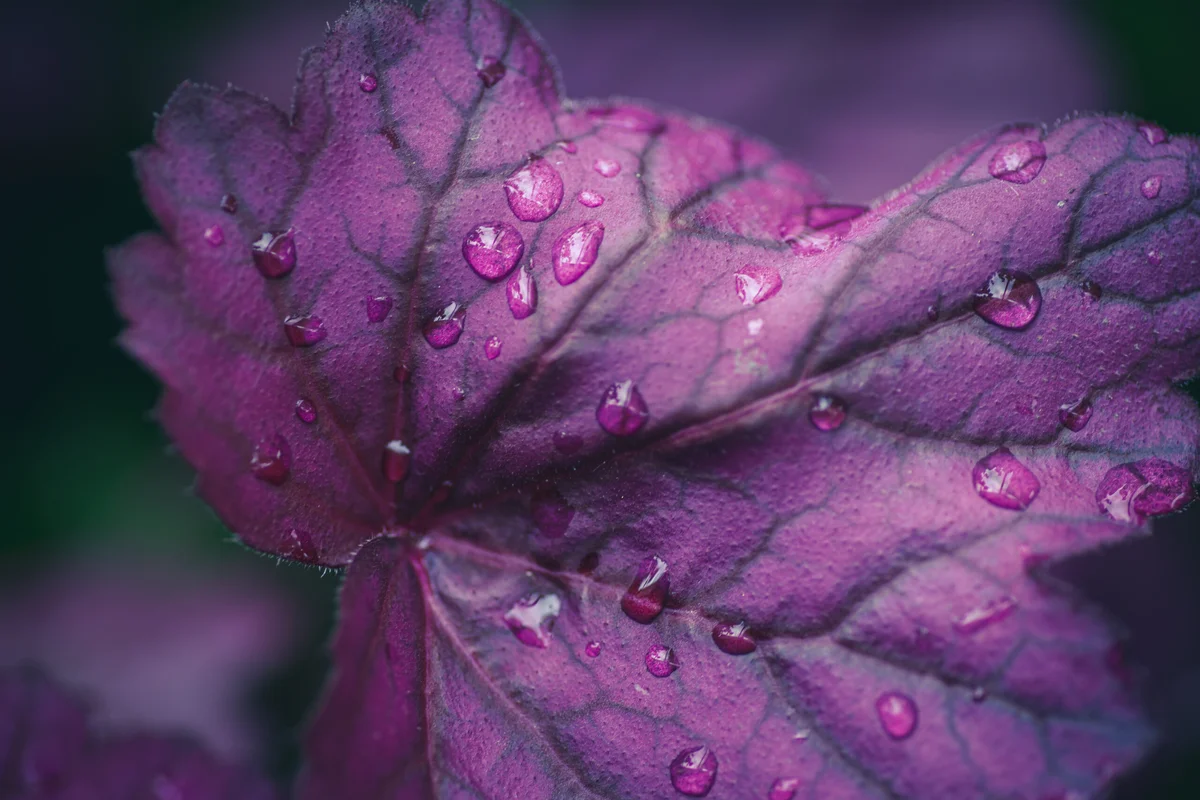
Plants like Coral Bells (Heuchera), Creeping Geranium (Geranium macrorrhizum), and Foamflower (Tiarella cordifolia) flourish beautifully here.
Areas with Morning or Evening Sun
Many plants prefer these gentle light conditions. They grow vigorously without suffering from heat stress, and the soil remains noticeably moister during dry summers compared to fully sunny beds.
Overview of the Best Ground Covers for Partial Shade
The following overview presents reliable species for partially shaded garden areas. The planting density recommendations are based on typical garden soils, ensuring a closed plant cover develops within a few years.
| Ground Cover | Bloom | Evergreen | Height | Plants per m² | Native | Insect-Friendly | |-----------------------------------|-------------|-----------|--------|----------------|--------|-----------------| | Creeping Bugle (Ajuga reptans) | blue | partial | 10–20 cm| 8–10 | Yes | very high | | Gold Nettle (Lamium galeobdolon)| yellow | partial | 20–30 cm| 8–10 | Yes | very high | | Woodruff (Galium odoratum) | white | no | 15–20 cm| 10–12 | Yes | high | | Waldsteinia (Waldsteinia ternata)| yellow | yes | 10–15 cm| 8–10 | No | high | | Epimedium (Epimedium) | white, pink, yellow | partial | 20–30 cm| 8–10 | No | high | | Creeping Geranium (Geranium macrorrhizum)| pink to violet | no | 20–30 cm| 7–9 | No | very high | | Coral Bells (Heuchera) | white to pink| partial | 20–40 cm| 7–9 | No | good | | Foamflower (Tiarella cordifolia)| white | partial | 15–25 cm| 8–10 | No | high | | Lesser Periwinkle (Vinca minor) | blue | yes | 10–20 cm| 8–10 | No | medium | | Gold Strawberry (Waldsteinia geoides)| yellow | yes | 15–20 cm| 8–10 | No | good |
Native Ground Covers for Partial Shade
For those looking to create a natural garden, opting for native plants is advisable. These species have adapted to local soils and climates over centuries, providing essential habitats for various native insects.
Creeping Bugle – A Blooming All-Rounder
Creeping Bugle is one of the most popular native ground covers. Its striking blue flower spikes appear in spring, attracting numerous wild bees, bumblebees, and hoverflies.
Thanks to its above-ground runners, Bugle spreads steadily over time, forming dense green carpets that effectively suppress weeds. It thrives best in humus-rich soils that do not dry out completely during summer.
This versatility makes it an excellent choice for shrub borders, partially shaded perennial beds, and natural gardens.
Gold Nettle – Robust and Valuable for Insects
Gold Nettle (Lamium galeobdolon) is a native woodland plant that thrives particularly well in partial shade. Its yellow flowers bring color to the garden in spring and provide a vital food source for wild bees, bumblebees, and hoverflies.
Its shoots gradually spread through short runners, creating dense patches that reliably green bare soil. Gold Nettle is also easy to maintain, growing vigorously in humus-rich, slightly moist soils while adapting well to shorter dry spells after establishment.
For those designing a natural garden, this native species is an excellent choice.
Woodruff – Not Just for the Woods
Woodruff is well-known as an aromatic plant for making beverages or syrups. Less recognized is its potential as a ground cover. Its light green leaf whorls form dense mats, covered in numerous white star-shaped flowers in spring.
In light partial shade, Woodruff thrives beautifully, resembling natural forest floors and creating a calm, harmonious effect. Additionally, small wild bees and hoverflies benefit from its floral offerings.
As it matures, Woodruff gradually spreads, filling open soil areas almost on its own.
Ground Ivy – An Underappreciated Native Ground Cover
Ground Ivy (Glechoma hederacea) grows wild in many regions of Germany and is often considered a weed. However, it is one of the most ecologically valuable ground covers available.
Its violet-blue flowers bloom early in the year, providing essential food for wild bees and bumblebees when other plants are not yet flowering.
In natural gardens, Ground Ivy can be given some space. Its loose growth habit appears natural and integrates well among perennials and shrubs.
Particularly Insect-Friendly Ground Covers for Partial Shade
For gardeners aiming to create an insect-friendly environment, it's important to consider not only attractive flowers but also how much nectar and pollen a plant produces and the duration of its bloom.
Partial shade areas offer ideal conditions for combining various species, resulting in a nearly continuous floral display from early spring through summer.
Some of the best species include:
- Creeping Bugle
- Gold Nettle
- Creeping Geranium
- Woodruff
- Epimedium
- Foamflower
These plants are regularly visited by wild bees, bumblebees, butterflies, and hoverflies, creating diverse plantings that make the garden feel much more vibrant.
Skillfully Combining Long Bloom Times
Plantings look particularly attractive when different bloom times complement each other.
Creeping Bugle often leads the way, followed closely by Gold Nettle and Woodruff. Subsequently, Creeping Geranium and Coral Bells take center stage.
This strategy keeps your bed interesting for weeks, both for you and for numerous insects.
Evergreen Ground Covers for Partial Shade
Evergreen plants ensure that the garden remains attractive even outside of blooming seasons. Especially in winter, they add color to shaded areas and prevent beds from appearing barren.
Particularly effective species include:
- Waldsteinia
- Lesser Periwinkle
- Gold Strawberry
- Bunchberry
- Hazelnut Root
- Ivy
These species typically retain their foliage throughout the winter, protecting the soil from temperature fluctuations and reducing evaporation.
This results in a calm, well-maintained overall look, especially under trees.
Evergreen Does Not Mean Maintenance-Free
Even evergreen ground covers benefit from occasional care. Dead leaves should be removed in spring to allow new shoots sufficient light and air.
A light pruning after flowering can also help some species branch out more densely.
Blooming Ground Covers for Partial Shade
Many garden owners seek ground covers that not only provide greenery but also enrich the garden with flowers for several months. The selection is particularly extensive in partial shade.
Spring Bloomers
The first plants to bloom in March and April include:
- Creeping Bugle
- Woodruff
- Gold Nettle
- Waldsteinia
These early blooms are especially crucial for many insects, as food sources are still limited at this time of year.
Summer Bloomers
In early summer, other species take over the blooming role, continuing to add color.
Popular choices include:
- Creeping Geranium
- Coral Bells
- Foamflower
By thoughtfully selecting and combining these plants, gardeners can create stunning, low-maintenance areas that thrive in partial shade, benefiting both the garden and local wildlife.