Garden Design: Tailored Solutions to Enhance Every Green Space
Transform your outdoor space into a harmonious extension of your home with professional garden design. Discover the essential steps for creating a beautiful and functional garden.
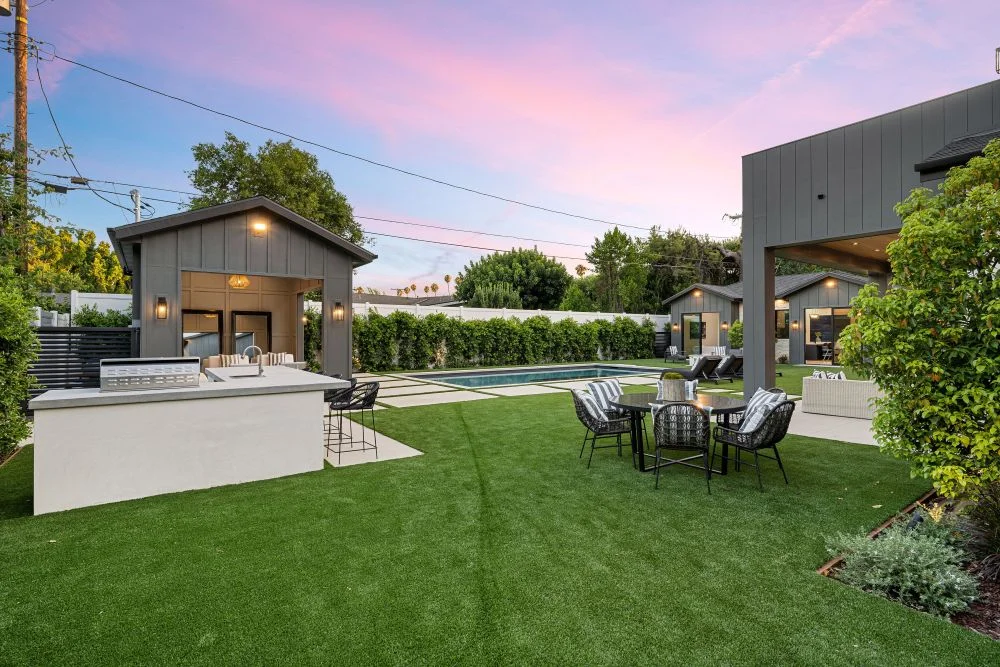
Owning a garden goes beyond merely having a patch of grass. A well-conceived outdoor area can serve as a true extension of your home, functioning as an open-air room that elevates property value and enriches quality of life.
However, beauty does not emerge by chance: meticulous garden design is the secret ingredient that transforms a bland space into a harmonious, functional, and enduring oasis.
To understand why enlisting experts is the best investment for your green space, let’s explore how a professional garden project comes to life.
The Design as the First Step: Vision and Strategy
The design phase is fundamental in converting an outdoor area into a harmonious and functional environment that stands the test of time.
A well-planned garden should not merely look good upon completion; it must grow, evolve, and maintain its balance over the years.
Every green space, whether large or small, urban or natural, possesses unique potential that should be harnessed. This initial design phase is crucial for assessing the available terrain to enhance its value while avoiding hasty solutions that may prove costly, impractical, or challenging to maintain in the long run.
Before discussing plants and materials, it is essential to analyze the soil, sunlight exposure, climate, drainage, and surrounding environmental characteristics. This assessment helps determine what will truly thrive in that specific space. There are no “standard” gardens; each green area requires custom solutions that respect the local nature and the needs of its users.
Many people make the mistake of purchasing plants and furnishings without a clear plan. The outcome? Plants that wilt because they are placed in unsuitable locations or spaces that are underutilized.
Professional garden design merges aesthetics, botany, and architecture. The process always begins with a thorough site analysis, which includes:
- Soil Study: Understanding soil composition to select species that will flourish.
- Microclimate Analysis: Evaluating sun exposure, wind conditions, and shaded areas is vital for ensuring the health of plants and flowers.
- Purpose of Use: Will the garden serve as a relaxation area, a space for dining with friends and family, or a play area for children? Each function requires its own designated space!
A garden design starts with an in-depth analysis that allows for the development of a visually appealing and functional plan. A thoughtfully designed garden minimizes the need for ongoing interventions, conserves water, and ensures balanced growth. The result is a green space that improves over time rather than deteriorating.
Choosing Materials: The Right Balance Between Aesthetics and Functionality
An effective garden project harmonizes plants, pathways, pavements, furnishings, and lighting systems cohesively. The choice of materials is never random; all elements must complement the style of the home, withstand weather conditions, and retain their quality over time.
What does your ideal garden look like? Modern and minimalist, natural, formal, or exotic? The key is to have a solid design foundation that creates a harmonious ensemble where each element serves a specific function and contributes to the overall balance of the space.
The Stages of Garden Creation
A garden designed to endure over time follows a rigorous creative and technical process:
- Concept and Design: In this initial phase, the style (modern, Mediterranean, English, or minimalist) and spatial layout are defined. Choosing materials (stone, wood, permeable pavements) is also crucial for creating continuity with the home’s architecture.
- Botanical Project: The selection of plants should not be based solely on aesthetics or trends. It is vital to choose the right plants, considering seasonal variations to ensure a vibrant garden year-round. Watering needs must also be factored in for the health of plants and flowers and ease of maintenance.
- Irrigation and Lighting Systems: A custom project always includes the design of an automated irrigation system (to prevent water waste) and a lighting plan that allows enjoyment of the garden during evening hours, creating safe and inviting atmospheres.
As evident, designing a visually appealing and livable garden requires numerous skills: botany, landscaping, and material knowledge. This is why it is essential to rely on industry professionals. Expertise translates to aesthetic satisfaction and long-term savings. Investing in an outdoor space that becomes an integral part of your home and lifestyle means caring for your property while enhancing the usability of outdoor areas. A well-designed garden is not merely a decorative feature; it is a living space that offers well-being, balance, and beauty every day. After all, a successful garden does not happen by chance; it is born from a thoughtful, studied, and enduring design.
As Hermann Hesse wisely noted: “It is not easy to have a beautiful garden: it is as difficult as governing a kingdom.”