The Art of Gardening: Preserving Historic Gardens and Parks
The role of an art gardener, specializing in the care of historic gardens and parks, blends passion for nature with technical skills and artistic sensitivity, preserving cultural heritage for future generations.
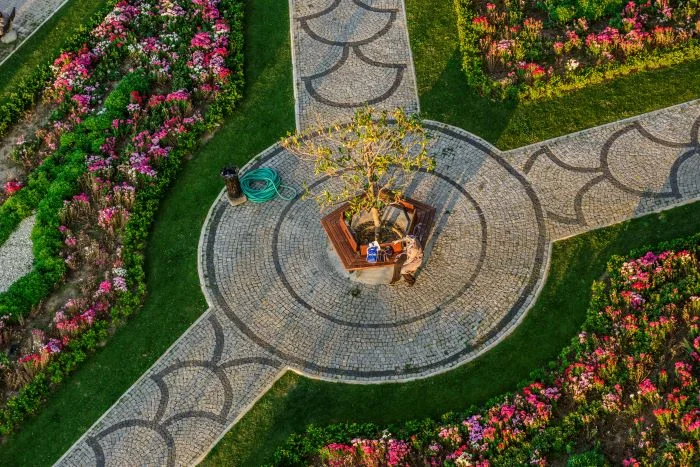
The role of an art gardener, specializing in the care of historic gardens and parks, embodies a perfect blend of passion for nature, technical skills, and artistic sensitivity. These professionals act as custodians of landscape and historical heritage, ensuring these spaces not only endure through time but also continue to convey their beauty and cultural significance to future generations.
The Passion Behind the Art Gardener
At the heart of this profession lies a profound love for nature and the art of gardening. Art gardeners do more than plant flowers or prune hedges; they understand and respect the historical and cultural significance of every element within the garden. For them, a historic garden is not merely a green space but a living artwork that tells stories through its ancient trees, geometric pathways, fountains, and sculptures. This passion for greenery translates into a daily commitment to maintain the balance between aesthetics and functionality, ensuring that every plant, hedge, and flower is in its rightful place, contributing to the preservation of the landscape's harmony.
Education and Training: The Foundation of Competence
Becoming an art gardener necessitates specific and extensive training. In recent years, various schools and academies, both in Italy and abroad, have introduced courses dedicated to the maintenance and care of historic gardens and parks. These educational pathways combine theoretical and practical lessons, providing students with a solid foundation in:
- Art and landscape history: to understand the historical and artistic context in which a garden was created.
- Botany and agronomy: to learn about plant characteristics, their life cycles, and cultivation techniques.
- Restoration techniques: to intervene on architectural or plant elements damaged over time.
- Ecological management: to preserve the environment by adopting sustainable methods that respect biodiversity.
In Italy, institutions like the Agrarian School of Monza offer specific courses for training art gardeners and designers, promoting a multidisciplinary approach that ranges from traditional techniques to the use of modern technologies.
Tools of the Trade
An art gardener employs a wide array of tools, from traditional to innovative:
- Hand tools: such as shears, pruning scissors, hoes, and rakes, essential for precise and delicate interventions.
- Modern machinery: like tractors, lawn mowers, and brush cutters, useful for large-scale maintenance.
- Drones and sensors: to monitor plant health and identify hidden issues, such as pests or water stress.
- Design software: to plan restoration interventions and create renderings that visualize the final outcome.
These tools, combined with the gardener's expertise, allow for the preservation of the authenticity of historic gardens without compromising their integrity.
Iconic Examples of Historic Gardens and Parks
The world is rich with extraordinary examples of historic gardens and parks that highlight the importance of the work done by art gardeners. Here are some significant examples:
Villa d’Este (Tivoli, Italy)
This Renaissance garden is renowned for its spectacular fountains, water features, and panoramic terraces. The art gardeners responsible for Villa d’Este must preserve both the architectural and plant elements, ensuring that the fountains continue to function as they have for centuries.
Gardens of Versailles (France)
A symbol of French classicism, the Gardens of Versailles require constant maintenance to uphold the perfect geometries of the flowerbeds and tree-lined avenues. Art gardeners collaborate with historians and architects to ensure that every intervention respects André Le Nôtre's original design.
Miramare Castle Park (Trieste, Italy)
This historic park, overlooking the Adriatic Sea, exemplifies how nature can be shaped to create a place of peace and beauty. Gardeners focus on preserving native vegetation and maintaining harmony between the natural and built landscapes.
Royal Botanic Gardens (Kew, United Kingdom)
While not a historic garden in the strictest sense, Kew represents an example of excellence in biodiversity conservation and sustainable management of a large green space. Art gardeners here engage in both scientific research and landscape maintenance.
The Costs of an Art Gardener
The cost of hiring an art gardener can vary significantly based on several factors, including:
- Project complexity: maintaining a small historic garden requires less time and resources than managing a large park.
- Type of intervention: routine maintenance is less expensive than complex restoration work, such as pruning ornamental trees.
- Location: costs may increase depending on logistical challenges or the remoteness of the site.
- Required expertise: art gardeners with highly specialized training may command higher fees.
On average, the hourly rate for an art gardener ranges from 25 to 50 euros. More complex projects involving restorations or advanced technologies can exceed 100 euros per hour. For long-term work, many companies or professionals offer annual contracts with costs ranging from 5,000 to 20,000 euros, depending on the size of the garden or park being maintained.
Innovation and Sustainability in the Work of the Art Gardener
The profession of art gardener is continually evolving, thanks to the adoption of new technologies and sustainable practices. For instance:
- Smart irrigation: systems that minimize water waste while ensuring each plant receives the necessary amount.
- Composting: transforming plant waste into natural fertilizer.
- Biological pest control: combating pests without resorting to chemical pesticides.
- Eco-friendly materials: for restoring architectural elements, such as stones or balustrades.
These innovations allow for the safeguarding of heritage alongside environmental protection, a fundamental goal in an era of climate change.
Being an art gardener for historic gardens and parks means much more than merely tending to a green space. It involves safeguarding cultural heritage, respecting nature, and creating beauty for the future. With their passion, expertise, and dedication, these professionals elevate gardening to an art form, demonstrating that even the most traditional jobs can be innovative and vital for our society, transforming living plants and hedges into true works of art.
In a world where greenery is increasingly scarce, art gardeners remind us of the importance of preserving not only beauty but also the memory of places that narrate our history.