Garden Design: Ideas, Planning, and Implementation for Every Garden
Effective garden design starts with careful planning. Discover the five-phase framework to optimize your garden layout, plant selection, and maintenance strategies.
Effective garden design begins with thorough planning. Understanding the area, soil conditions, light availability, and intended uses can save both time and money later on. Research indicates that structured garden plans can reduce plant purchase errors by up to 40% and decrease seasonal maintenance hours by an average of 30%.
📋 Summary
A successful garden design follows a five-phase framework: assessment, style selection, zoning, plant planning, and tool selection. Adhering to this sequence helps avoid costly renovations. Key metrics suggest that at least 60% of the garden area should be planted or mulched to effectively control weeds. Smaller gardens particularly benefit from vertical elements and light surface colors.
Which Garden Style Suits My Property?
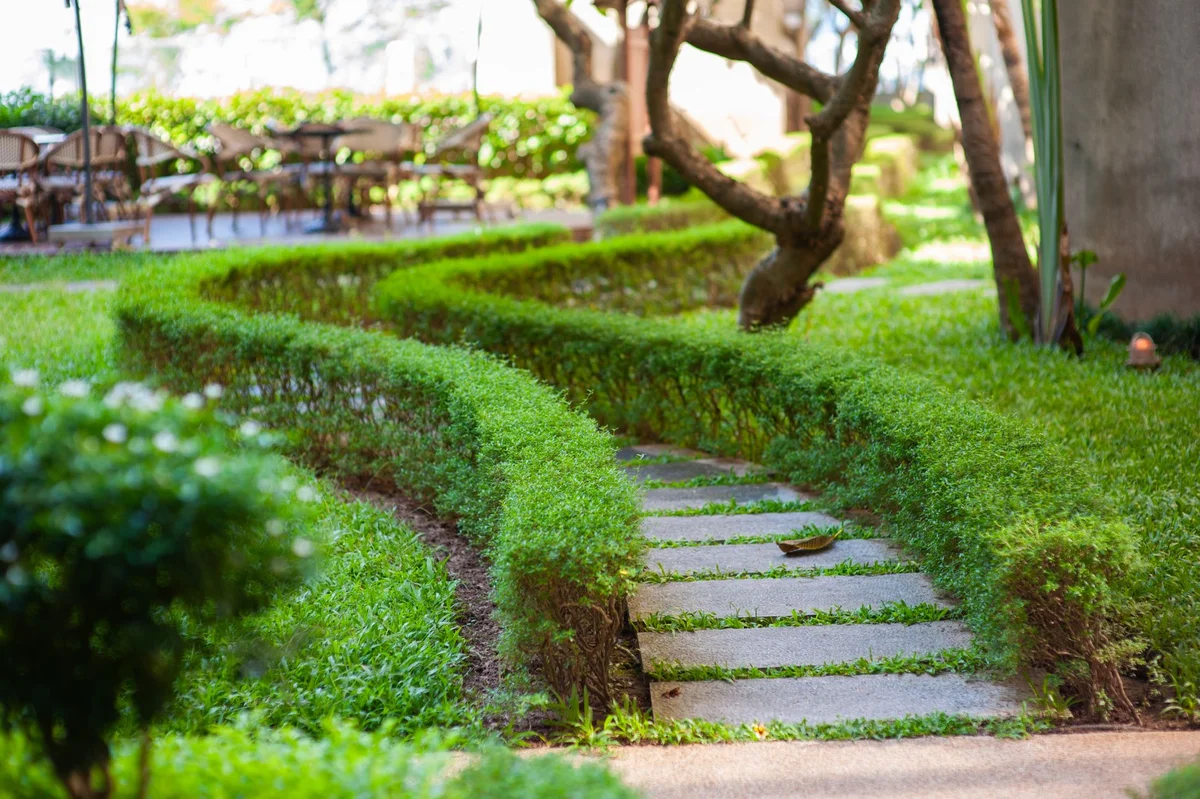
After the initial assessment, the next crucial step is selecting a garden style. Formal gardens, characterized by geometric beds and boxwood borders, require regular maintenance but can create a striking appearance even in small spaces. In contrast, naturalistic wild gardens are proven to enhance biodiversity: according to the Federal Agency for Nature Conservation, insect-friendly private gardens host an average of 3.5 times more pollinator species than conventionally maintained lawns.
Mediterranean gardens thrive in sunny, dry locations and are advantageous during summer droughts. Japanese gardens emphasize tranquility and asymmetry, utilizing a few carefully placed plants. The English cottage garden merges lush perennial plantings with a romantically unkempt charm, demanding significant planning to truly succeed.
| Garden Style | Maintenance Level | Ideal For | Special Feature | |-------------------|------------------|-----------------------------|--------------------------------------| | Formal Garden | High | Representative Front Yards | Clear structures, hedges | | Natural Garden | Low | Biodiversity, Families | Native perennials & shrubs | | Mediterranean | Low to Medium | Sunny, Dry Locations | Water-saving | | Japanese | Medium | Small, Tranquil Gardens | Few, significant elements | | Cottage | Medium to High | Romantic Atmosphere | Lush perennial mixtures |
How Do I Plan My Garden Step by Step?
The five-phase garden planning framework organizes any project, regardless of property size or budget:
- Phase 1 – Assessment: Analyze soil (pH, drainage), measure sunlight hours, and map existing plants.
- Phase 2 – Style Selection: Clarify usage goals (play area, harvest, retreat) and establish a reference style.
- Phase 3 – Zoning: Divide the garden into functional areas, sketch paths and sightlines.
- Phase 4 – Plant Planning: Choose plants based on site conditions, bloom times, and heights; apply the three-layer principle (tree, shrub, perennial).
- Phase 5 – Tools & Implementation: Prepare the appropriate tools for each task before starting the actual work.
Phase 5 is often underestimated. Using unsuitable tools can lead to poor results and unnecessary effort. A detailed overview of recommended gardening tools for each task can be found on garten-blog.org.
💡 Expert Insight
Professional garden planners advise sketching the zoning on paper or in a simple drawing app before any digging begins. Those who start digging without a plan often lose valuable topsoil. A simple scale grid of 1:50 is sufficient for plots up to 500 m². Mark cardinal directions and existing shadow-casting structures like walls and trees, as these are difficult to alter later.
Which Plants Are Suitable for Structured Garden Design?
The three-layer principle is fundamental to any sustainable planting concept: a lead tree (e.g., serviceberry or ornamental apple) provides structure and seasonal interest throughout the year. Below it, shrubs like currant, weigela, or viburnum are arranged, while the bottom layer consists of perennials, ground covers, and bulb plants.
Native plants have advantages over exotics: they adapt to local weather conditions, require less water, and provide food for insects. Robust perennials such as lavender, sage, and catmint thrive in summer droughts while attracting pollinators.
For small gardens, consider vertical growth: climbing roses, clematis, or climbing bindweed on pergolas and fences create depth without occupying ground space. Vertical greenery can visually enlarge the perceived garden area by up to 25%.
How to Optimize a Small Garden?
Gardens smaller than 100 m² benefit from clear rules: light-colored surfaces (natural stone in sandy hues, light wood) reflect light and make the space appear larger. Curved or diagonal pathways create more depth than straight lines parallel to the house.
Multi-functional furniture and raised beds with integrated seating save space while serving multiple purposes. A central focal point, such as a fountain, sculpture, or distinctive ornamental shrub, draws the eye and gives the garden a centerpiece without overwhelming it.
⚠️ Important Note
When redesigning near property boundaries, legal distance regulations apply, varying by state. Hedges and trees often have planting distance requirements from neighboring properties. Clarify legal matters with the relevant municipality or a neighborhood law specialist before planting.
When Is the Best Time for Garden Design Activities?
Fundamental earthworks, path construction, and bed installation are best accomplished in spring (March to May) or autumn (September to October). During these periods, the soil is moist enough to work well but not frozen or overheated. Planting shrubs and trees in autumn allows the plants to establish a stable root system before the following spring.
Lawn installation is most reliable in late summer (August to September): the soil temperature is warm enough for quick germination, and the peak heat of summer has passed. Roll-out sod can be laid almost year-round, provided the ground is not frozen.
What Mistakes Should I Avoid in Garden Design?
The most common mistake is planting without assessing the site. Shade-loving plants in full sun or lime-sensitive species in alkaline soil result in wasted investment. The second most frequent error is planting too closely together. Plants need space to grow, and what looks neat in the first year can become an impenetrable mass after three years.
A third classic mistake is lacking a maintenance plan. A beautiful garden design is only as good as its upkeep. Without regular pruning, fertilizing, and watering, the original design may be barely visible after two seasons. A simple seasonal calendar with monthly tasks is sufficient to maintain oversight.
💬 My Assessment Garden design is often treated as an aesthetic topic in various guides. However, it is primarily a logistical issue. If one does not consider water, soil, light, and tools in advance, they may purchase attractive plants that perish after a season. The counterintuitive advice is to spend more time planning on paper than in the garden center. A garden tailored to the actual site requires less maintenance, less water, and fewer replacements than a garden that follows a trend. Sustainability does not start with expensive products but with an honest assessment of what one's soil and climate can support. This is the most cost-effective garden design strategy in the long run.
✓ Key Takeaways
- The five-phase garden planning framework (assessment, style, zoning, planting, tools) prevents costly planning errors.
- Structured garden plans can reduce plant purchase errors by up to 40%.
- At least 60% of the area should be planted or mulched for long-term weed control.
- Native plants in the three-layer principle (tree, shrub, perennial) maximize biodiversity and minimize maintenance.
- Vertical greenery can visually enlarge the perceived garden area by up to 25%.
- New plantings succeed best in spring or autumn when soil moisture and temperatures are optimal.
Sources and Further Reading
- Federal Agency for Nature Conservation (BfN): Publications on the importance of private gardens for biodiversity, Bonn
- Garden Academy Rhineland-Palatinate: Expert information on site-appropriate plant use and soil analysis
- German Horticultural Society 1822 e.V. (DGG): Guidelines for sustainable garden design
- Bavarian State Institute for Viticulture and Horticulture (LWG): Fact sheets for planning and establishing home and small gardens
Related Articles
Metal Art in the Garden – Forged Fences as a Design Statement
Add a unique touch to your garden with handcrafted forged fences made of iron, emphasizing lasting elegance.