Essential Beginner's Guide to Bonsai Care
A comprehensive guide for beginners on bonsai care, covering essential principles such as substrate selection, watering, and fertilization.
Essential Beginner's Guide to Bonsai Care
If you've just acquired a bonsai or received one as a gift and are unsure how to care for it, this guide offers essential tips to help you nurture your miniature tree properly.
What is a Bonsai?
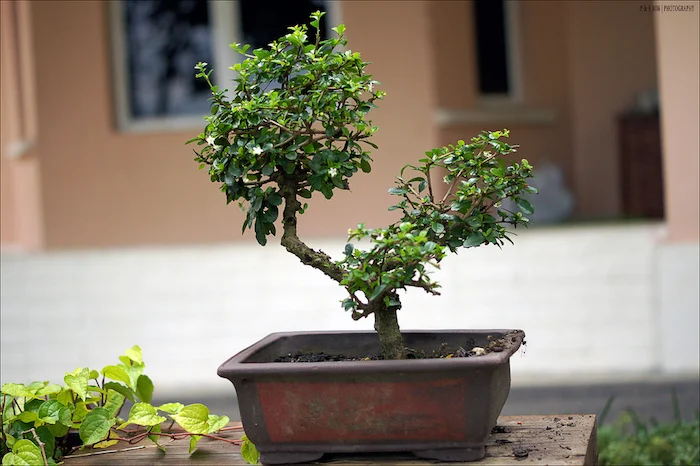
A bonsai is a miniature tree that resembles its larger counterparts found in nature, but it is cultivated in small pots to maintain its size. The art of bonsai involves specific horticultural techniques to keep the tree small while mimicking the appearance of an older, more developed tree.
The term bonsai originates from Japan, though its practice is an ancient art that began in China. It is essential to note that there is no specific species classified as a bonsai; many types of trees can be transformed into stunning bonsai. However, some species are better suited for bonsai cultivation than others.
Creating a bonsai involves maintaining the right temperature, light, humidity, and water levels while preventing excessive growth. Before diving into bonsai cultivation, it's crucial to understand some fundamental principles that will aid any beginner.
Fundamental Principles of Bonsai Cultivation
To successfully grow a bonsai, you need a well-draining substrate, organic fertilizer, and clean water.
Choosing the Right Substrate
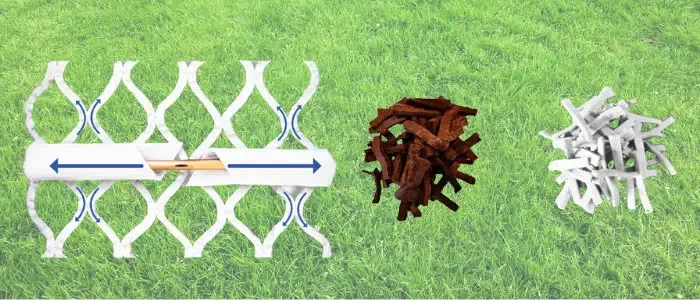
A good bonsai substrate must be well-draining and aerated. It's important to avoid garden soil, sand, and fine potting mixes, as poor substrate is often the cause of leaf discoloration and even leaf drop.
The substrate plays a vital role in achieving lush foliage on your bonsai.
Location of the Bonsai
Selecting the right location is essential for your bonsai's health and growth. This choice depends on various factors, including local climate, season, sunlight, and the species of the tree.
In general, a bonsai should be placed in a bright spot, whether indoors or outdoors. Tropical species like the ficus ginseng usually thrive better indoors.
For indoor bonsai, consider positioning it near a window, in a sunroom, or close to a glass door. In winter, keep it away from heat sources and drafts, while in summer, some species can be moved outside.
Conversely, outdoor bonsai can be placed in a garden corner, on a terrace, or in a cold greenhouse. Although they tolerate lower temperatures, outdoor bonsai need protection from frost during winter. Depending on the species, a sunny or partially shaded area is ideal in summer.
Watering
Watering is a crucial operation for the survival of your bonsai, yet it can be the most challenging aspect to master. Insufficient water can lead to dehydration and death, while overwatering can cause root rot. Both conditions can result in issues like leaf drop or yellowing leaves.
The frequency of watering varies based on factors such as location, species, pot size, and season. It can range from daily in summer to every few days in winter.
Here are some watering tips:
- Check your bonsai daily instead of following a strict watering schedule.
- Avoid tap water, as it often contains chlorine and is alkaline; let it sit in a container for 24 hours before use.
- Use soaking or bathing methods only in cases of severe dryness.
- For beginners, moisture sensors are available to help monitor your bonsai's soil humidity.
Bonsai from Large Retailers
Many bonsai sold in large retail stores are often planted in very compact soil, making care and watering difficult. This substrate, ideal for transport, should be replaced as soon as possible.
If your bonsai was purchased in spring, a repotting is necessary. Replace the entire substrate with a more suitable mix (like Akadama, Pouzzolane, or potting soil). If the bonsai was bought outside of its repotting season, opt for transplanting it into a larger pot with a more draining substrate until the next spring for a full repotting.
Fertilization
Fertilization is a fundamental aspect of bonsai cultivation. The tree absorbs necessary minerals and trace elements through its roots, so it's advisable to use a neutral substrate to accurately measure the right amount of fertilizer for your bonsai.
Keep in mind that nutrients in the substrate are gradually washed away with each watering, which should be considered when determining how often to fertilize.
Here are two fertilization tips:
- Fertilize during the spring and autumn, stopping during the peak heat of July and August.
- Avoid fertilizing a bonsai that is unhealthy.
While there is much more to learn about bonsai, these foundational principles will help you get started on your journey into this rewarding horticultural art.