Cultivating Morisia monanthos: A Guide for Gardeners in Corsica
Explore how to cultivate Morisia monanthos, a unique Mediterranean alpine plant, with this comprehensive guide for gardeners in Corsica.
Cultivating Morisia monanthos: A Guide for Gardeners in Corsica
July 21, 2026
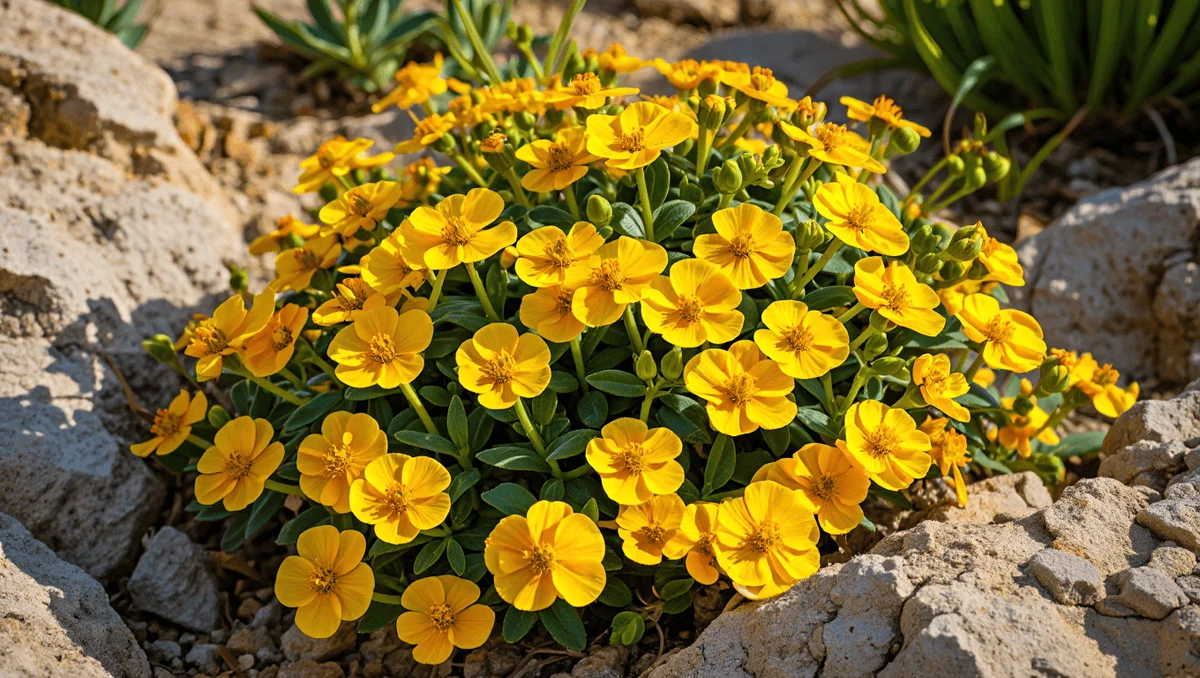
The Morisia monanthos, also known as the buried morisia, captivates with its low profile and bright golden yellow flowers that stand out against its modest foliage. Native to Corsica and Sardinia, this Mediterranean alpine plant attracts rock garden enthusiasts and curious botanists alike due to its unique reproductive strategy and remarkable hardiness. Often discussed in the context of geocarpy and local species conservation, this article provides a practical guide for growing, sowing, and maintaining Morisia monanthos, suitable for both dry gardens and sun-exposed pots.
Botanical Characteristics of Morisia monanthos
This plant forms a very compact rosette with no visible stems, featuring pinnatifid leaves that curl up each winter. The elongated leaflets remain shiny and somewhat fleshy during the growing season, reaching lengths of 10 to 12 cm. The flowering phase produces cruciform flowers with four petals, showcasing a vivid yellow that immediately draws attention.
After flowering, the peduncle bends, drawing the fruits towards the ground—a reproductive mechanism known as geocarpy. This unique feature explains the common name "buried morisia" and makes it a rare botanical curiosity in gardens. Its hardiness is reported to be around -10°C, but sensitivity to winter moisture remains a limiting factor.
Soil and Exposure Requirements
Morisia prefers full sun locations on poor, well-draining substrates. Sandy soils, gravel, and rocky conditions that characterize its natural habitat in Corsica and Sardinia are ideal. A mix rich in pumice or gravel promotes water drainage and minimizes the risk of crown rot.
In pots, the plant can tolerate mineral mixes but requires constant bright exposure and protection from excessive winter rains. It is best placed on a well-exposed terrace or at the center of a dry rock garden where it can bask in sunlight throughout the day.
Sowing, Cutting, and Planting Techniques
Sowing is best done in a cold frame during spring to align with the natural seed cycle. Seedlings should be nurtured in pots before being transplanted to their final location. Careful handling is necessary to preserve the thick root and taproot during transplantation.
Root cuttings can be taken in winter under cover, always in cool, dry conditions. Planting can occur in spring or autumn, depending on weather conditions and the availability of well-draining substrate. Avoid planting during frost periods or in overly wet soils.
Care and Monitoring
Once established, Morisia requires minimal maintenance if the exposure and substrate conditions are suitable. Watering should be infrequent and spaced out to mimic the arid conditions of its native environment. Monitoring during wet winters is crucial to prevent damage from excess moisture.
Crown rot is the primary threat to this plant. Insufficient drainage or prolonged exposure to rain can weaken it. Repotting during dry periods and using draining materials significantly reduces this risk.
Ideal Placement and Companion Plants
Morisia fits seamlessly into dry rock gardens, stone walls, and sunny edges of mineral flower beds. Its compact size, usually under 6 cm, allows it to nestle between stones and enhance limited spaces. The low growth habit accentuates its flowers, which appear oversized compared to the foliage.
For companion planting, opt for Mediterranean and alpine species that thrive in dry conditions and require poor soil. Low-growing sedums, saxifrages, or small perennial geraniums pair well and minimize root competition. You can also experiment with pot combinations, managing watering separately.
Varieties and Practical Information
The Morisia genus is monotypic, primarily consisting of Morisia monanthos, sometimes referred to by the synonym Morisia hypogaea. A known horticultural variety, ‘Fred Hemingway’, features slightly larger flowers measuring 1 to 2 cm. However, differences within the genus remain limited.
Here’s a concise table for cultivation and identification:
| Characteristic | Detail | |--------------------|---------------------------| | Scientific Name | Morisia monanthos | | Family | Brassicaceae | | Origin | Corsica and Sardinia | | Height | Up to 6 cm | | Flowering | May to September | | Substrate | Sandy, stony, very draining| | Hardiness | Approximately -10°C |
Practical Tips for Successful Cultivation
A short list of tips can help minimize common mistakes among beginners. Prioritizing drainage and sun exposure is crucial. Pot planting can be a temporary solution during rainy winters to control moisture levels.
- Use a mineral mix and avoid rich soils.
- Plant in full sun and shield from winter rains.
- Sow under cold frames for optimal results.