A Comprehensive Guide to Cultivating and Caring for Glory of the Sun (Leucocoryne purpurea)
Explore the essential guide for cultivating and maintaining Glory of the Sun (Leucocoryne purpurea), a fragrant bulbous perennial native to Chile, perfect for temperate gardens.

A Comprehensive Guide to Cultivating and Caring for Glory of the Sun (Leucocoryne purpurea)
31 July 2026
The Glory of the Sun, known scientifically as Leucocoryne purpurea, enchants with its delicate garlic fragrance and lilac umbels that brighten Mediterranean rock gardens. Native to the dry hills of Chile, this bulbous perennial thrives in warm summers and mild winters, making it a perfect addition to temperate gardens. Here, we provide practical advice on the cultivation, propagation, and maintenance of this remarkable species.
What Type of Soil and Exposure is Best?
Leucocoryne purpurea requires well-drained, light soil. Substrates rich in organic matter but low in moisture retention promote bulb development and help prevent rot.
For optimal flowering, full sun exposure is essential. It is advisable to choose sheltered spots that protect against frost, especially if you reside outside the Mediterranean climate zone.
When to Plant and How to Sow Leucocoryne purpurea?
Mature seeds can germinate in a sheltered environment at temperatures ranging from 19 to 25°C. Young seedlings need a light substrate and moderate moisture until they are established.
Bulb planting in the ground should occur in early autumn in warmer areas, typically around September or October. In cooler climates, it is better to wait until after the last frost, ideally in April or May.
Container gardening offers flexibility to avoid frost damage. You can encourage early growth by forcing bulbs under shelter as early as February or March, allowing for early blooms on balconies or terraces.
Seasonal Care
In spring, the tall stems produce fragrant umbels that attract pollinators. After flowering, seed capsules form, and the plant enters a summer dormancy.
During this resting phase, watering becomes minimal, and it is important to allow the soil to dry out. For potted plants, light and regular watering can prevent complete desiccation without excess moisture.
Leaves persist after flowering, helping to replenish the bulb's reserves. Only cut away completely dried leaves to respect the plant's natural cycle.
How to Propagate and Divide Bulbs?
The simplest and quickest method of propagation is through the separation of bulbils. This division should be done in autumn when the seedlings are sufficiently developed.
While sowing seeds is also an option, it requires more patience before seeing blooms. However, this method can yield numerous specimens well-suited to your garden's microclimate.
Specific Care for Potted or Ground-Planted Bulbs
For potted plants, mix universal potting soil with coarse sand to enhance drainage. Repotting every two years helps refresh the substrate and separate compacted bulbils.
In the garden, plant bulbs 10 cm deep and space them 8 to 12 cm apart to allow for the formation of dense patches. Protect bulbs during harsh winters by lifting them and storing them dry and frost-free.
Pests and Diseases to Watch For
The Leucocoryne genus exhibits considerable resistance to common bulb diseases. Issues typically arise from prolonged excess moisture.
Occasional damage from snails and slugs can affect tender leaves. Employ mechanical barriers or natural deterrents as needed to safeguard your plants.
Recommended Plant Associations and Landscape Uses
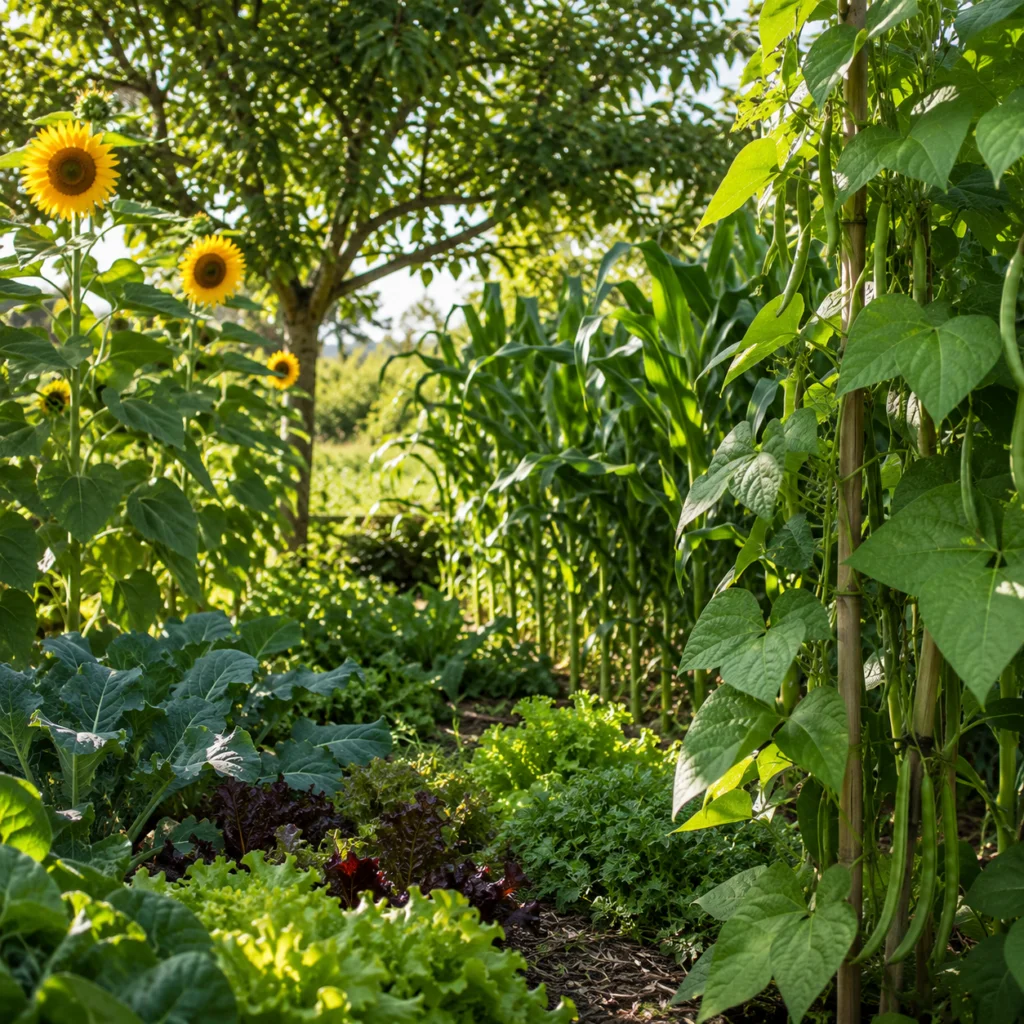
Leucocoryne purpurea fits beautifully in sunny border plantings, dry rock gardens, or pots positioned in full sun. Its fine foliage and umbel flowers create a light, fragrant texture.
To create a harmonious display, pair it with drought-tolerant Mediterranean plants. Contrasting foliage and heights enhance its blooms.
- Recommended Companions: lavender, sage, santolina
- Uses: dry borders, container displays on terraces, fresh bouquets
Practical Cultivation Sheet
| Characteristic | Detail | |----------------|--------| | Family | Alliaceae | | Type | Bulbous perennial | | Origin | Chile | | Flowering | May to June | | Height | Up to 50 cm | | Hardiness | Limited, tolerates around -1°C |