How to Identify and Cultivate Bluebell (Hyacinthoides non-scripta)
Learn how to recognize and cultivate the bluebell (Hyacinthoides non-scripta) with practical tips on planting, maintenance, and variety selection.
How to Identify and Cultivate Bluebell (Hyacinthoides non-scripta)
July 9, 2026
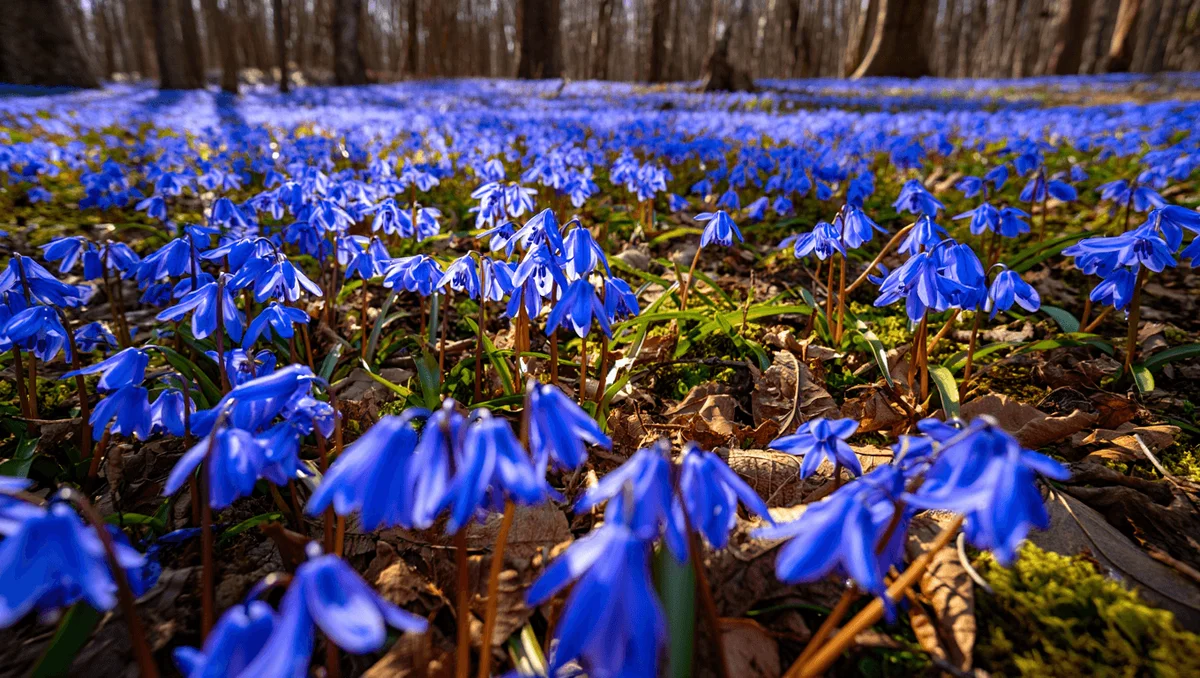
The bluebell, Hyacinthoides non-scripta, transforms woodlands each spring into stunning blue carpets that enchant both walkers and gardeners alike. This perennial bulb thrives in cool, humus-rich soils and showcases delicate blooms from April to May, attracting bees in the process. Here, you will find practical advice on planting, soil requirements, maintenance, and variety selection to seamlessly integrate this plant into your garden. Important keywords such as bluebell, bulb, flowering, and planting are woven throughout for ease of reading and SEO.
Where to Plant Bluebells?
Bluebells prefer the dappled shade of woodlands rather than direct, harsh sunlight. They flourish best in rich, moist, well-drained soils rather than dry, chalky conditions. The broad leaves of deciduous trees shield them from intense sunlight while still allowing spring light to filter through. This plant is particularly suited to the base of leafy trees or along the edges of flower beds where moisture levels are consistent.
Naturalization is one of its significant advantages, creating vibrant patches with minimal effort. However, ensure there is ample space between groups to maintain a clear and aesthetically pleasing floral carpet. Shaded lawns and hedge borders provide excellent conditions for a controlled wild effect.
Avoid completely compacted clay soils and areas that are perpetually waterlogged. Adding compost during planting helps retain moisture without making the soil sticky. Additionally, a layer of leaf litter mimics its natural habitat, promoting bulb vigor.
When to Sow and Plant Bluebells?
Mature seeds can be sown in trays under a cold frame immediately after harvest to kickstart production. Keep the substrate slightly moist and protect the seeds from drying out without drowning them. Dividing bulbs remains the most reliable method for quickly establishing clumps.
Bulb planting occurs in the autumn, typically in October, allowing for establishment before winter. Plant bulbs at a depth of about 10 cm and space them 10 to 15 cm apart for dense groupings. If the conditions are right, the plant will naturalize and return each year, gradually spreading.
How to Maintain Bluebells and Control Their Spread?
Once established, bluebells require minimal maintenance and can thrive without excessive watering in suitable soil. Remove only the spent flowers if you wish to limit seed production and curb expansion. Wait until the foliage turns yellow and dies back before removing it, allowing the bulb to replenish its reserves.
Simple practices can extend the vitality of your clumps and ease management. Applying a fine organic mulch helps retain moisture and enrich the soil with organic matter. Keep an eye on aggressive plants that may compete and space your interventions to respect the dynamics of the woodland.
- Planting: autumn, depth 10 cm.
- Blooming: April to May.
- Maintenance: remove spent flowers, allow leaves to dry.
Are Bluebells Toxic and Protected?
Bluebells contain irritant compounds that can cause skin reactions upon contact and digestive issues if ingested. Pets and livestock may also be sensitive to these compounds, so caution is advised during handling. Wear gloves when harvesting and avoid any intentional ingestion.
Regulatory measures have been implemented in some areas to protect this species, while others consider it invasive. If you plan to relocate wild populations, consult local authorities or conservation organizations. Respecting the natural environment remains the best way to preserve local biodiversity.
Which Species and Varieties of Hyacinthoides to Plant in the Garden?
The genus Hyacinthoides includes several easily cultivated species that complement garden settings. The Hyacinthoides non-scripta is the most well-known for its light fragrance and pale blue flowers. The Hyacinthoides hispanica hails from Spain and North Africa, featuring robust spikes and a variety of colors.
Hybrids and cultivars offer variations in size and hue, useful for creating contrasts in the garden. For instance, some cultivars have deep pink or pure white flowers, or even taller stems for a different visual impact within the bed. Choosing between naturalization and more formal bouquets will depend on the desired effect in your landscape composition.
| Species or Cultivar | Origin | Height | Color | Notable Feature | |-------------------------|----------------------|-------------|-------------------|------------------------------------------| | H. non-scripta | Western Europe | 20-30 cm | Pale blue, fragrant| Ideal for naturalization | | H. hispanica | Iberian Peninsula | 30-55 cm | Blue, pink, white | Very robust, cultivated forms | | H. italica | Northwestern Italy | 25-40 cm | Violet blue | Generous flowering |
This table allows for quick comparison of key characteristics before purchasing or planting. Be sure to check the adaptability to your local climate and the desired effect in your beds. Tailor your selection based on available shade and limestone tolerance to ensure a beautiful bloom.