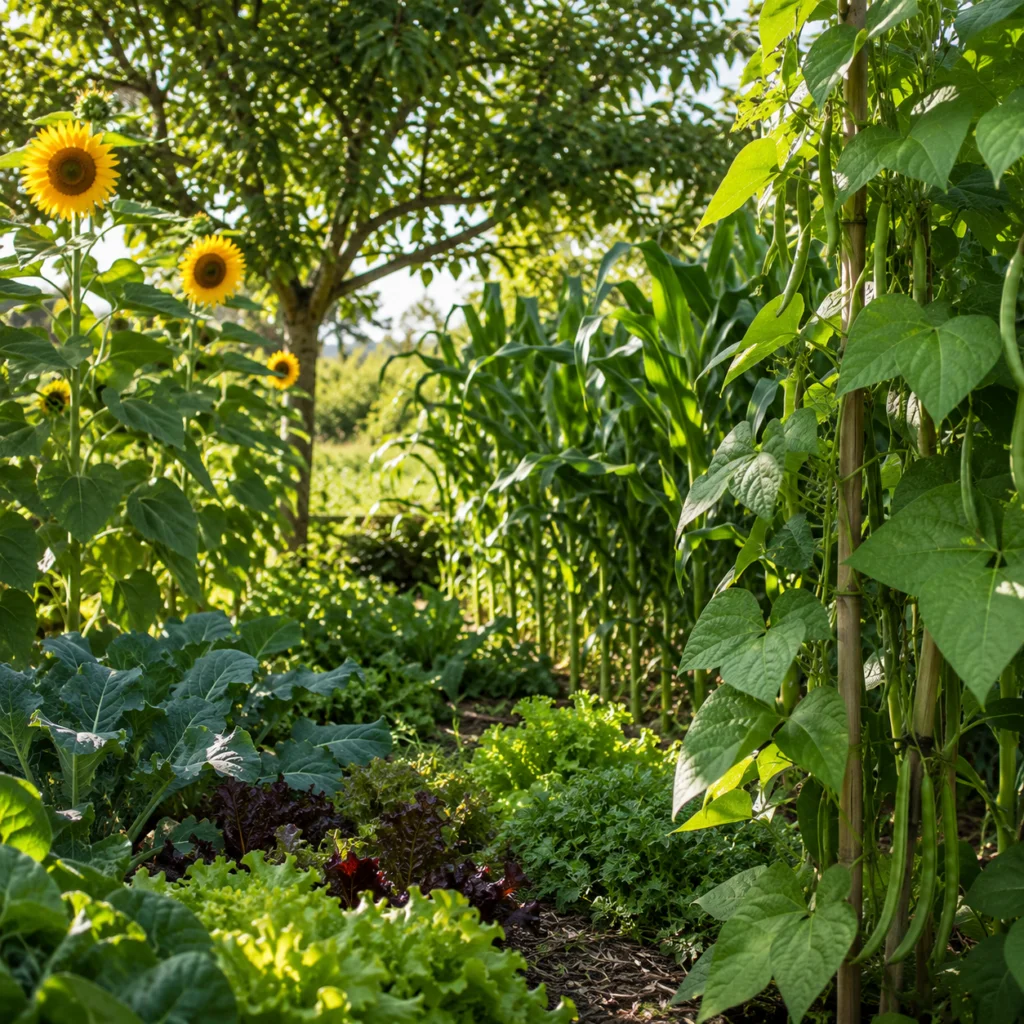
Creating a Productive Wild Corner in Your Garden
Explore how to create a productive wild corner in your garden that balances nature and order, providing ecological benefits while reducing maintenance efforts.
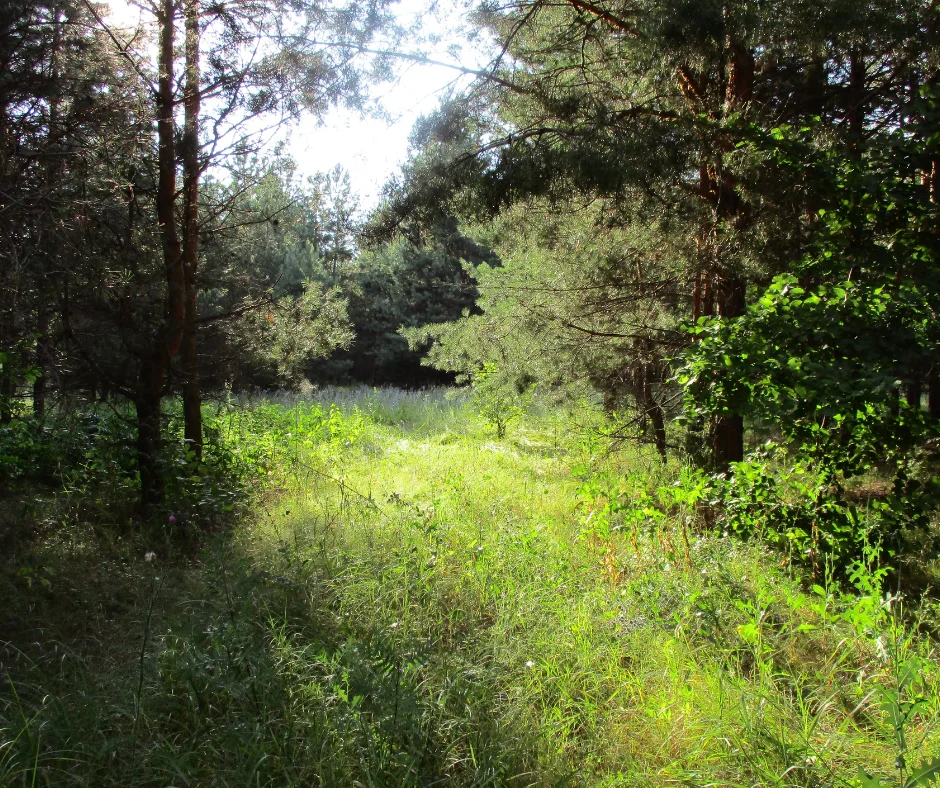
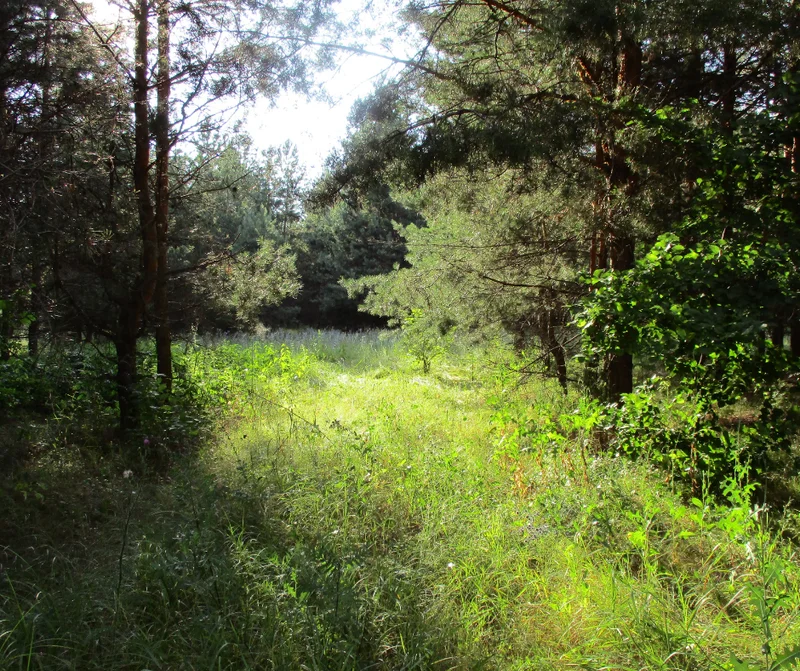
A common sight in many gardens is an unkempt area that often elicits a mix of annoyance and guilt. This neglected patch, characterized by tall grass and bare soil, is typically dismissed as either a sign of disorder or abandonment. However, there's a third option: a thoughtfully designed wild corner.
Understanding the Concept of a Wild Corner A well-executed wild corner is not synonymous with neglect; it is a deliberate choice. The key is to understand that a wild area can be functional and beneficial. It’s about setting boundaries and allowing nature to thrive within those limits.
This creates a partnership where you provide space, and in return, nature offers balance.
Practical Benefits of a Wild Corner Establishing a designated wild area can yield several practical advantages:
-
Reduces Unnecessary Labor Many gardeners find themselves expending energy maintaining areas that yield little in return, such as sun-drenched flower beds with bare soil or patches of lawn that require constant upkeep. A wild corner allows you to stop fighting against nature and instead start designing with it.
-
Conserves Water and Reduces Summer Stress Bare soil is prone to drying out quickly under the sun, leading to constant irrigation efforts. Conversely, a covered area retains moisture longer, helping plants withstand heat and reducing your watering needs.
-
Enhances Biodiversity A thriving wild corner attracts beneficial insects, pollinators, and birds, contributing to a healthy ecosystem. This biodiversity helps mitigate pest issues and promotes a balanced environment.
Moreover, a wild corner serves as an educational tool, encouraging you to observe and engage with your garden more closely.
The Importance of Clear Boundaries For a wild corner to be effective, it must have a well-defined edge. Without this boundary, it can easily be mistaken for neglect, leading to frustration and potential removal of the area altogether. A clear margin communicates intent and can be established using:
- A straight line cut into the lawn
- A border of stones
- A low wooden plank or log
- A gravel path
- A dense row of low plants
Creating a distinct edge is about clarity rather than expense. Outside the margin, maintain order, while inside, allow nature to flourish. This balance of order outside and life inside can transform your garden.
Assessing Your Wild Corner To determine if your wild area is functioning effectively, consider these three checks:
-
Is the soil covered? If there’s a lot of bare earth, it’s not working as intended; bare soil leads to unnecessary labor.
-
Is there a clear boundary? If visitors perceive it as unmaintained, it’s time to improve the edge.
-
Are the plants thriving or struggling? If there are empty spaces and isolated plants, you may need to increase density. A successful wild corner should be full rather than sparse.
Practical Steps to Create Your Wild Corner Here’s a straightforward method applicable to gardens of any size:
Step 1: Choose the Right Area Instead of selecting the most aesthetically pleasing spot, opt for a challenging or less useful area that requires more effort to maintain. A small section, even just 1 square meter, is a great starting point.
Step 2: Establish the Boundary Be decisive in creating a clear line, whether straight or curved. For grass, trim the edge sharply; for gravel, ensure a neat margin; for soil, use stones or wood.
Step 3: Cover the Soil Without coverage, the area will require constant watering and care. Use materials such as:
- Dry leaves
- Wood chips
- Straw
- Shredded branches
- Well-dried clippings (not in wet piles)
Apply a generous layer to block light from reaching the soil, reducing stress and invasive weeds.
Step 4: Select Robust Plants Avoid delicate or high-maintenance plants. Choose hardy species suited to your climate that can thrive with minimal intervention.
Step 5: Implement Simple Management Rules A wild corner thrives with clear management guidelines:
- Limit trimming or cleaning to twice a year
- Avoid bare soil
- Do not water except during initial establishment
- Monitor critical edges rather than the center
Focus on maintaining the boundary while allowing the inner area to develop naturally.
Common Pitfalls to Avoid Here are some typical mistakes:
-
Starting too large Begin small to avoid overwhelming yourself.
-
Skipping the boundary A lack of clear edges can lead to feelings of neglect.
-
Allowing bare soil This creates more work.
-
Random plant selection Choose plants that are resilient and quick to cover the ground.
-
Treating it like a traditional bed Avoid constant digging and maintenance; embrace continuity and patience.
Signs of Success You’ll know your wild corner is working when:
- The soil stays cooler longer
- You observe increased wildlife
- Invasive plants decrease due to less bare soil
- You spend less time maintaining it
- The area becomes a source of pride rather than guilt
Ultimately, you should feel empowered by your choice to create rather than abandon this space.
A Tidy Alternative for Order Lovers For those who prefer a tidy appearance, consider enhancing the order at the edges. A sharper border, a clean path alongside, or a decorative stone can signal that this is a planned area, allowing for more freedom within.
In closing, reflect on which part of your garden currently drains your energy. If you share your thoughts at [email protected], I can provide practical ideas for transforming it into a productive wild corner that works for you, not against you.
Remember, the future of your garden relies on the choices you make today.