Creating a Harmonious Garden: Balancing Colors, Heights, and Textures
Learn how to create a harmonious garden by balancing colors, heights, and textures. Discover essential tips for plant arrangement and material selection.

Creating a Harmonious Garden: Balancing Colors, Heights, and Textures
August 14, 2026
A garden flourishes when colors, heights, and textures are harmoniously balanced. This visual equilibrium transforms an outdoor space into a tranquil and understandable environment. In the Vaud region, collaborating with a landscape designer in Pully can often clarify these technical and aesthetic choices. By adhering to a few simple principles, you can simplify maintenance and enhance the identity of your garden layout.
How to Achieve Visual Balance in a Garden?
Before planting, observing the site is crucial. Assess sunlight, soil conditions, and views from the house. A basic plan can help distribute plant masses and functional areas effectively.
A well-balanced garden revolves around three main axes: colors, heights, and textures. Each of these elements influences the perception of depth and unity. Professionals recommend starting with a defined color palette and a hierarchy of volumes.
If you're working with a local landscape designer, they will ensure that the composition remains visually appealing throughout the year. The goal is to create a cohesive and easy-to-maintain exterior. A clear project plan ultimately reduces the time spent on upkeep.
What Mistakes Disrupt Color and Height Harmony?
Using too many different shades can lead to visual chaos. It is advisable to establish a dominant palette and then add a few contrasting accents. Harmonious blends make the garden more restful.
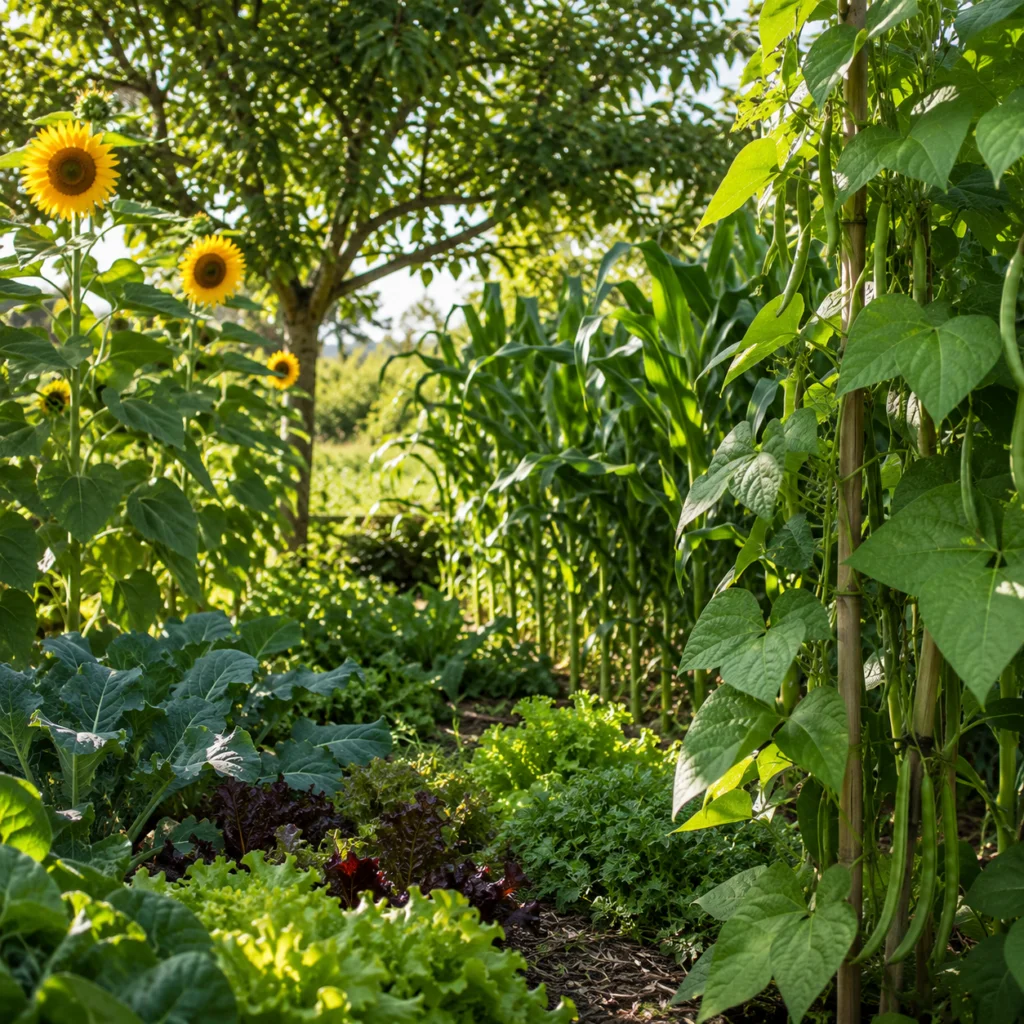
Another common mistake is planting all vegetation at the same height. This lack of visual variation diminishes the relief and interest of the flowerbed. Here are some straightforward guidelines to help structure your plantings:
- Position the tallest plants at the back or rear of the bed;
- Use medium-sized plants in transitional areas;
- Incorporate ground covers and small blooms at the forefront;
- Create focal points with trees or large shrubs.
These principles apply regardless of the desired style, from contemporary gardens to cottage gardens. They also aid in managing microclimates and maintenance.
How to Choose Textures and Materials for Character?
Textures play a significant role in modulating the perception of volume and light. Combining fine and broad foliage, light grasses, and dense shrubs creates a dynamic balance. It is essential to measure contrasts carefully to avoid a discordant effect.
Materials complement the plant composition and establish the atmosphere of the space. Wood, stone, and gravel provide different tactile and visual sensations. An experienced landscape designer will connect these elements to ensure durability and ease of maintenance.
| Element | Aesthetic Role | Maintenance | Examples | |--------------|-----------------------------------------|----------------------------------|------------------------------| | Wood | Warmth and natural harmony | Periodic treatment | Decking, benches | | Stone | Mineral contrast and structure | Low, occasional cleaning | Pathways, walls | | Gravel | Visual lightness and drainage | Needs replenishing if displaced | Pathways, dry areas | | Vegetation| Color, movement, and fragrance | Seasonal pruning and care | Perennials, shrubs, trees |
A well-designed garden remains adaptable and evolves with the seasons. By playing with a controlled palette and coherent materials, you can create an attractive and sustainable space. Don't hesitate to seek professional insight to optimize your layout according to the terrain and your needs.