Choosing the Right Bonsai Pot: A Comprehensive Guide
Explore essential tips for choosing the right bonsai pot, focusing on size, shape, drainage, and aesthetics to enhance your bonsai's beauty.
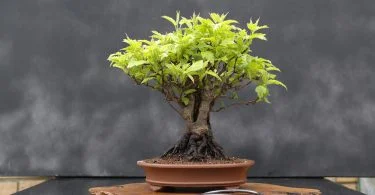
Choosing the Right Bonsai Pot
Selecting an appropriate pot for your bonsai is crucial, as it plays an essential role in showcasing the tree. Without a pot, a bonsai cannot exist. The pot should complement the bonsai without overshadowing it, creating a visual balance that is often evaluated in competitions.
This article provides insights to assist you in choosing the right bonsai pot.
Characteristics of a Good Bonsai Pot
Drainage Holes
A bonsai pot must have adequate drainage holes to allow excess watering to escape and ensure proper air circulation. Additionally, a flat bottom is essential to prevent water pockets that can lead to root rot. Some pots also feature small holes for wiring the bonsai securely in place.
Pot Feet
The feet of the pot promote water drainage and aerate the substrate. This feature is especially important if the pot is placed on a saucer, as it elevates the pot and enhances stability.
No Rim Pots
Opting for a pot without rims or with rims that do not curve inward facilitates the removal of the bonsai during repotting.
Frost Resistance
For outdoor cultivation, it’s vital to choose a frost-resistant bonsai pot. If the pot freezes, the water inside can expand and crack the pot.
Choosing the Size of the Bonsai Pot
Selecting the correct size for your bonsai pot is vital. A pot that is too small can hinder growth, while one that is too large may cause the tree to grow too quickly. The pot should be appropriately sized to allow the roots adequate space to develop.
Wider than Tall
For bonsais that are wider than they are tall, the pot length should be two-thirds the width of the bonsai.
Taller than Wide
Conversely, if the bonsai is taller than it is wide, the pot length should equal two-thirds of its height.
Pot Depth
Generally, the depth of the pot should be one to two times the diameter of the trunk base (nebari). However, there are exceptions:
- Bonsais with a significant root system, such as beech or ficus, may require a deeper pot.
- Bonsais with multiple trunks or forest styles are typically placed in shallow pots.
- For deciduous trees like maples, a shallower pot accentuates the trunk base (nebari).
Selecting a Pot Based on the Bonsai's Development Stage
Depending on the development stage of the bonsai, it’s essential to choose a larger pot to accommodate root growth. For young trees or pre-bonsais, investing in high-quality Japanese pottery is not necessary. Affordable training pots made from plastic or ceramic are widely available. If you have multiple trees in training, consider creating a pot from recycled materials like a wine crate or a mason's trough, ensuring you drill drainage holes for proper watering.
Colors and Design
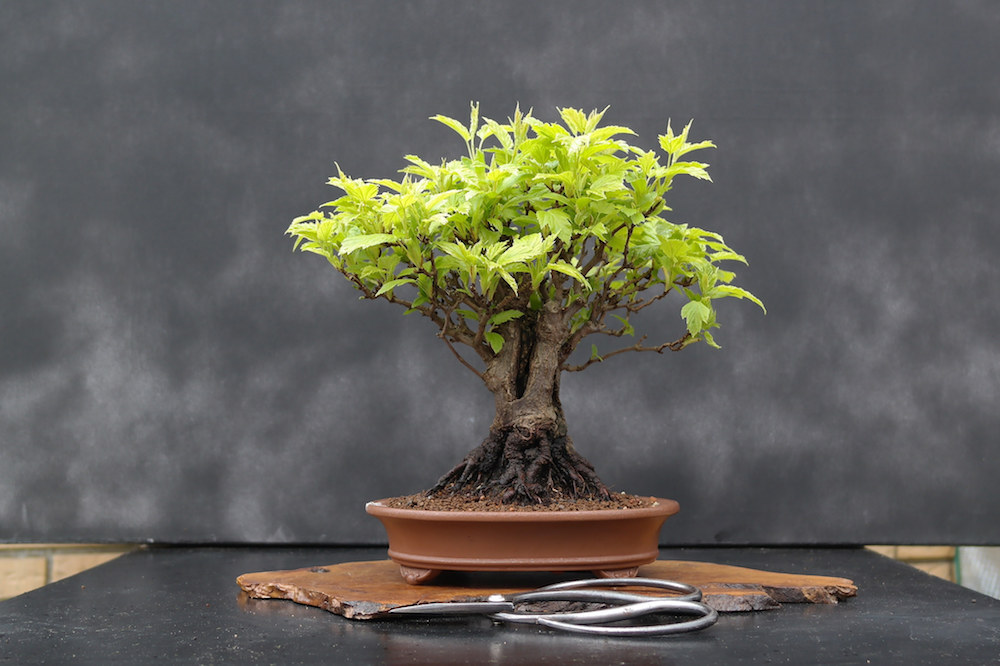
The design and color of the pot are largely a matter of personal preference, but certain guidelines should be followed. The pot should enhance the bonsai’s beauty without drawing attention away from it. When viewing the bonsai, the pot should not dominate the visual focus.
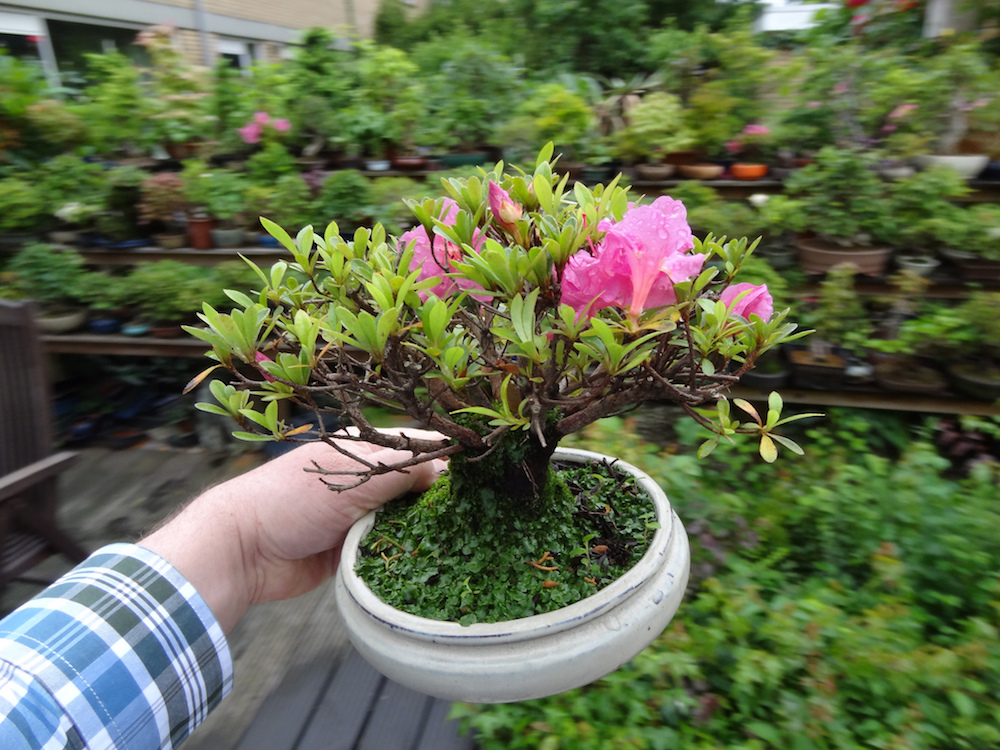
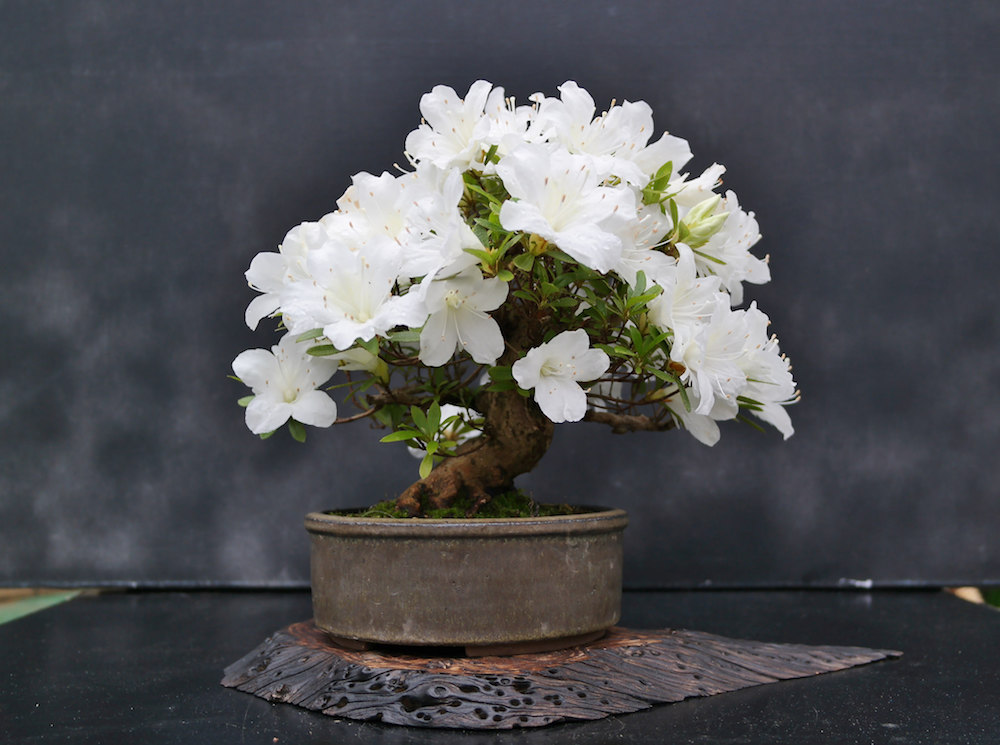
The color choice should highlight aspects of the tree, such as the trunk, foliage, flowers, or fruits. For example, a tree with yellow flowers pairs well with a glazed blue pot or one in ochre-red tones, while a bonsai with red flowers looks striking in a pot that features green tones.
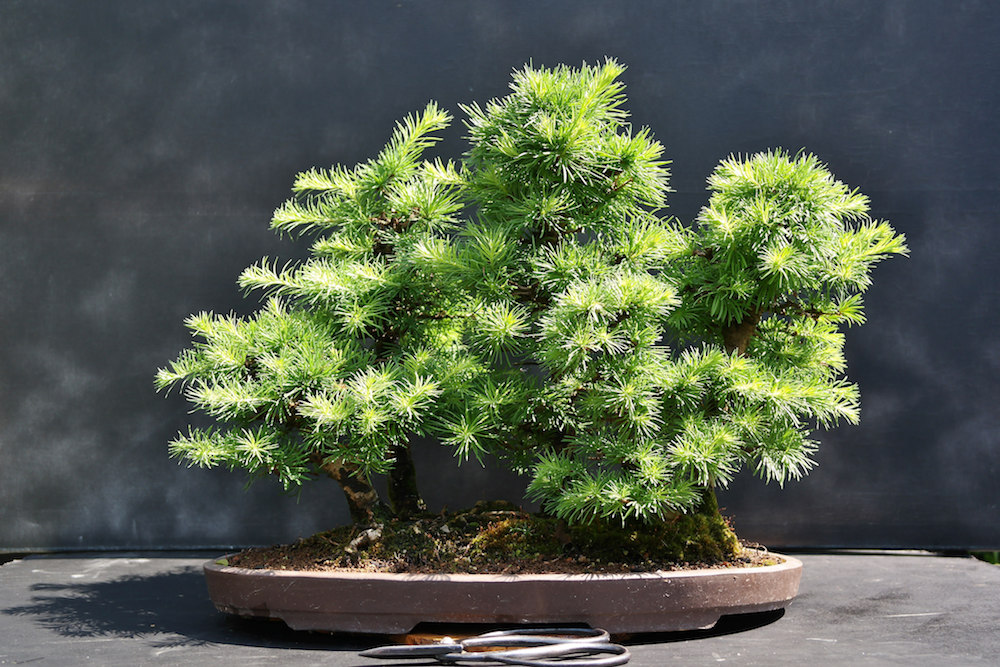
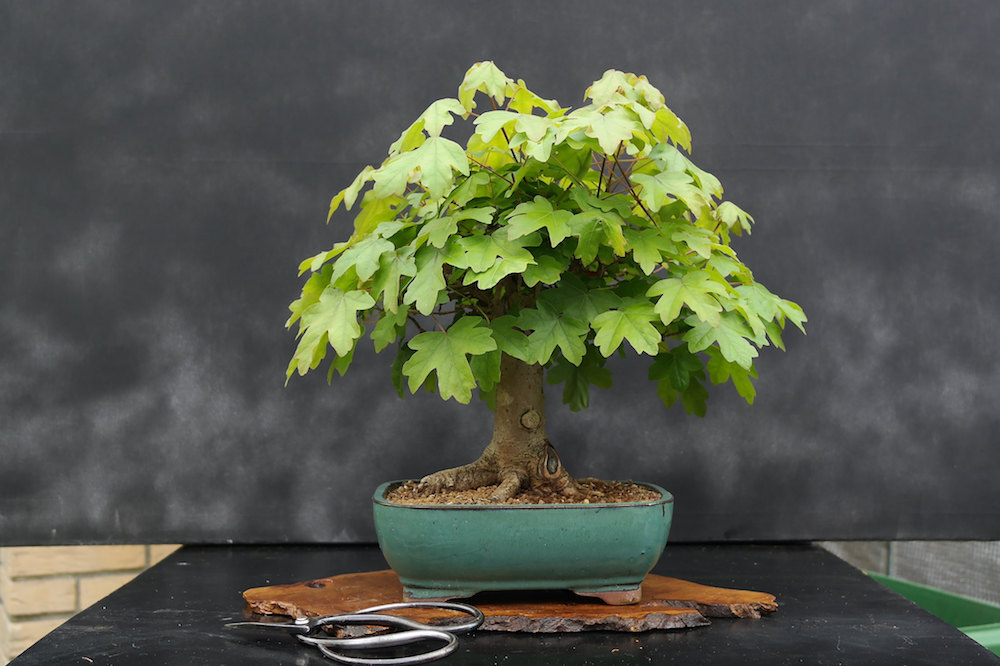
In addition to color, there are two types of pots: glazed (émaillés) and unglazed (non émaillés). Glazed pots are typically suitable for deciduous, leafy, or fruit-bearing bonsais, like citrus. Unglazed pots usually complement conifers or wild species.
Tips:
- For deciduous trees, both glazed and unglazed pots can be utilized.
- Flowering or fruit-bearing species allow for playful color combinations based on flowers, berries, or fruits.
- Consider the seasonal color changes of deciduous trees, such as maples, when selecting the pot color.
The Shape of the Bonsai Pot
While the shape of the pot does not significantly affect the cultivation of your bonsai, it is crucial for aesthetics. The shape should harmonize with the tree and will depend on various factors, including species and bonsai style.
Rectangular Shape
Rectangular pots are ideal for bonsais with a straight and vertical form, such as the formal upright style (Chokkan) or the double trunk style (Sokan).
Oval Shape
Oval pots can be used for a wide variety of species and are often employed for deciduous trees like maples, as well as for bonsais in broom style, multiple trunk styles, or forest styles.
Round Shape
Round pots work well for many tree species (conifers, flowering, or deciduous) and are suitable for literati, formal upright, informal upright, or cascade styles. Round shapes are also commonly used for companion plants.
Additional Tips
- For outdoor cultivation, select a pot that is not prone to cracking during frosts.
- Ensure pots have drainage holes to facilitate water evacuation.
- Choose a flat-bottomed pot to prevent water pockets that could harm the roots.
- Opt for a rimless pot to ease the removal of the bonsai during repotting.
Where to Buy
Today, bonsai pots can be found in many places. However, for quality pottery and reputable designs, consider visiting various exhibitions held in France, specialized stores, or numerous online shops.
Photos of Bonsai Pots