Caring for Your Bonsai: Essential Tips for Indoor and Outdoor Maintenance
Learn how to care for your indoor and outdoor bonsai with essential tips on placement, watering, fertilizing, and seasonal maintenance.
Caring for Your Bonsai: Essential Tips for Indoor and Outdoor Maintenance
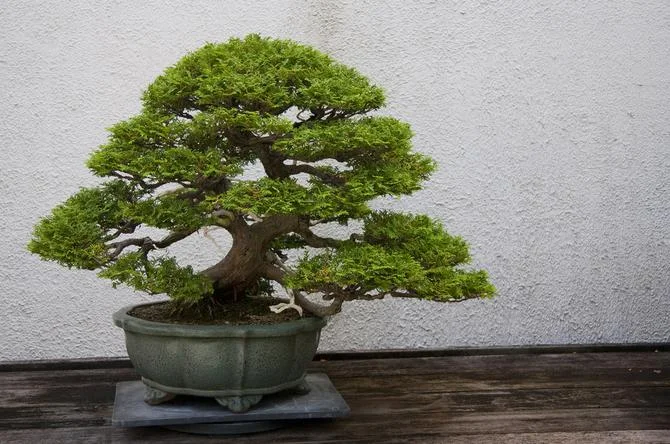
If you've recently acquired a bonsai and are unsure about its care, this guide will help you navigate the essentials for maintaining your bonsai's health and beauty.
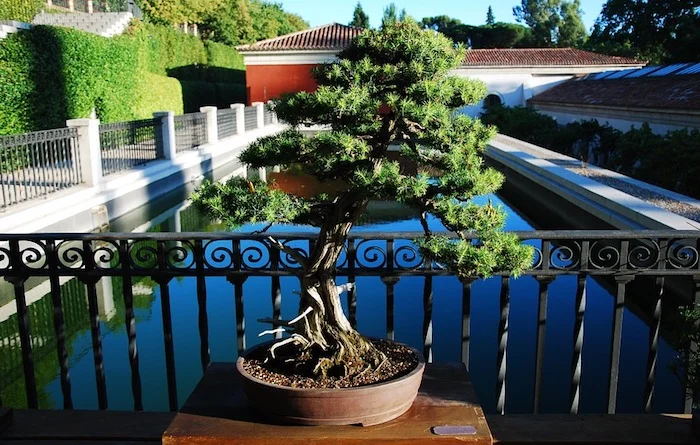
Where to Place Your Bonsai
The placement of your bonsai is crucial and varies depending on whether it is an indoor or outdoor species.
Indoor Bonsai
Indoor bonsai require specific conditions:
- They thrive on light, warmth, and humidity.
- They are sensitive to drafts.
- Growth tends to slow down in winter.
During summer, indoor bonsai can be placed outside to promote healthier growth and enhance their resistance to pests and diseases. If outdoor space is limited, positioning them on a balcony or windowsill works well.
In winter, it’s essential to protect indoor bonsai from frost. They should be kept in a cold greenhouse, an unheated porch, or near a window in a cooler room, ensuring they receive ample sunlight and humidity. Avoid placing them in:
- Dark areas like basements or attics without windows.
- Above a heater, as the air is too dry.
- Near frequently opened doors or windows, due to drafts.
Outdoor Bonsai
As the name suggests, outdoor bonsai should be kept outside. These species can endure harsher weather conditions compared to their indoor counterparts.
From spring to autumn, outdoor bonsai can bask in full sunlight. However, certain varieties, like maples, should be shielded from direct sun during heatwaves to prevent leaf scorch. It's advisable to place them where they receive morning sun but are protected from the harsh afternoon rays.
In winter, outdoor bonsai enter a dormant phase. To ensure they survive the cold, consider these tips:
- Protect them from frost using winter covers.
- Keep them in a non-heated area, such as a cold greenhouse or porch.
- If necessary, bury the pot in the ground for added insulation.
- Never place outdoor bonsai in a heated room during winter.
For specific exposure needs of various bonsai species, refer to a species guide or a reliable bonsai book.
Watering Your Bonsai
Watering is a critical aspect of bonsai care and can be challenging to master. Both under-watering and over-watering are common issues that can lead to leaf loss or yellowing.
The frequency of watering depends on several factors, including species, pot size, location, and season. For more detailed guidance, consult our article on bonsai watering or check our species guide.
Key Rules for Watering Bonsai
- Check daily if your bonsai needs water by feeling the substrate. Avoid scheduled watering.
- Ensure the pot has one or more drainage holes to prevent water stagnation.
- Use rainwater when possible; if not, let tap water sit for 24 hours or filter it.
- Water using a fine mist above the foliage rather than submerging the pot, which should only be done in cases of extreme dryness.
- If uncertain about moisture levels, a hygrometer can help assess the soil.
Fertilizing Your Bonsai
Bonsai trees grow in limited soil, and the nutrients in this soil can become depleted. Therefore, they require fertilization to replenish essential nutrients.
Fertilize your bonsai throughout its growing season with a balanced organic fertilizer, such as Biogold, which contains:
- Nitrogen (N): Promotes leaf growth.
- Phosphorus (P): Enhances root development and disease resistance.
- Potassium (K): Aids in flower and fruit formation.
Tips for Fertilizing
- Apply small amounts of fertilizer regularly.
- Prefer slow-release organic fertilizers over liquid options (e.g., Biogold).
- Avoid fertilizing weak trees or immediately after repotting.
- If using liquid fertilizer, halve the recommended dosage and never apply it to dry soil.
Repotting Your Bonsai
As bonsai grow, their roots can fill the pot, necessitating regular repotting to prevent overcrowding and to refresh the soil.
Repotting typically occurs every 2 to 3 years in spring, based on the species and age of the bonsai. This process involves trimming the roots and renewing the substrate to ensure the tree has enough nutrients for continued growth and new shoots.
In Summary
Repotting is not just about moving the bonsai to a larger pot; it involves root trimming and substrate renewal.
The Substrate
Each bonsai species has specific soil requirements. Generally, the substrate should be well-draining, aerated, and rich in nutrients while retaining sufficient moisture.
Bonsai usually thrive in granular mixes containing Akadama and Pumice, which facilitate air circulation and water drainage while retaining enough moisture for the tree's needs. Some species, like azaleas and certain conifers, prefer an acidic substrate, so a blend of Kiryu and Kanuma is recommended.
Pruning Your Bonsai
Pruning is a vital practice in bonsai cultivation, allowing for the shaping and maintenance of the tree's form and style.
There are two primary types of pruning: structural and maintenance.
Structural Pruning
This type of pruning focuses on establishing or restoring the bonsai's style, primarily addressing the larger branches and trunk. It is usually performed at the end of the growing season when branches have grown too long or in undesirable directions. If you prune larger branches, applying a healing paste is advisable.
Maintenance Pruning
Also known as green pruning, this practice occurs throughout the growing season and helps improve branching and maintain or refine the existing shape. It involves cutting:
- Branches growing inward that block light.
- Shoots that disrupt the bonsai's style.
- Dead branches.
Wiring
Wiring is a technique used to shape and position bonsai branches. This method involves wrapping copper or aluminum wire around branches or the trunk to bend and position them as desired. Once the wire is removed after several months, the branches will retain their new shapes.
Wiring can be done year-round for most species, but care should be taken during the growing season, as branches can thicken rapidly and the wire may embed into the bark, causing unsightly scars.
Winter Care for Bonsai
Outdoor Bonsai Maintenance
In winter, reduce the watering frequency for outdoor bonsai while monitoring weather conditions to prevent root freezing. It’s best to water only during mild weather and daylight hours. Fertilization should halt until spring.
For species susceptible to frost, consider using a cold protection method, such as covering with plastic, raffia, or straw.
Indoor Bonsai Maintenance
Winter is a critical period for indoor bonsai. With heating and shorter days, they may suffer from dry air and insufficient light. If the bonsai is not a tropical species and requires dormancy, place it in a cooler, well-lit area like a cold greenhouse or unheated porch.
If adequate lighting is unavailable, consider using grow lights to enhance illumination for your bonsai.
Regular watering is essential, and misting the bonsai can help maintain humidity levels. Fertilization should generally stop during this time, except for tropical bonsai that may continue to grow, albeit slowly due to limited light.
Be cautious of drafts and sudden temperature changes when opening windows, as these can lead to leaf drop, particularly in sensitive species like ficus.