Basil: A Comprehensive Guide to Its Benefits, Cultivation, and Culinary Uses
Discover all the secrets of basil: its beneficial properties, how to easily cultivate it, and its best culinary and wellness uses.
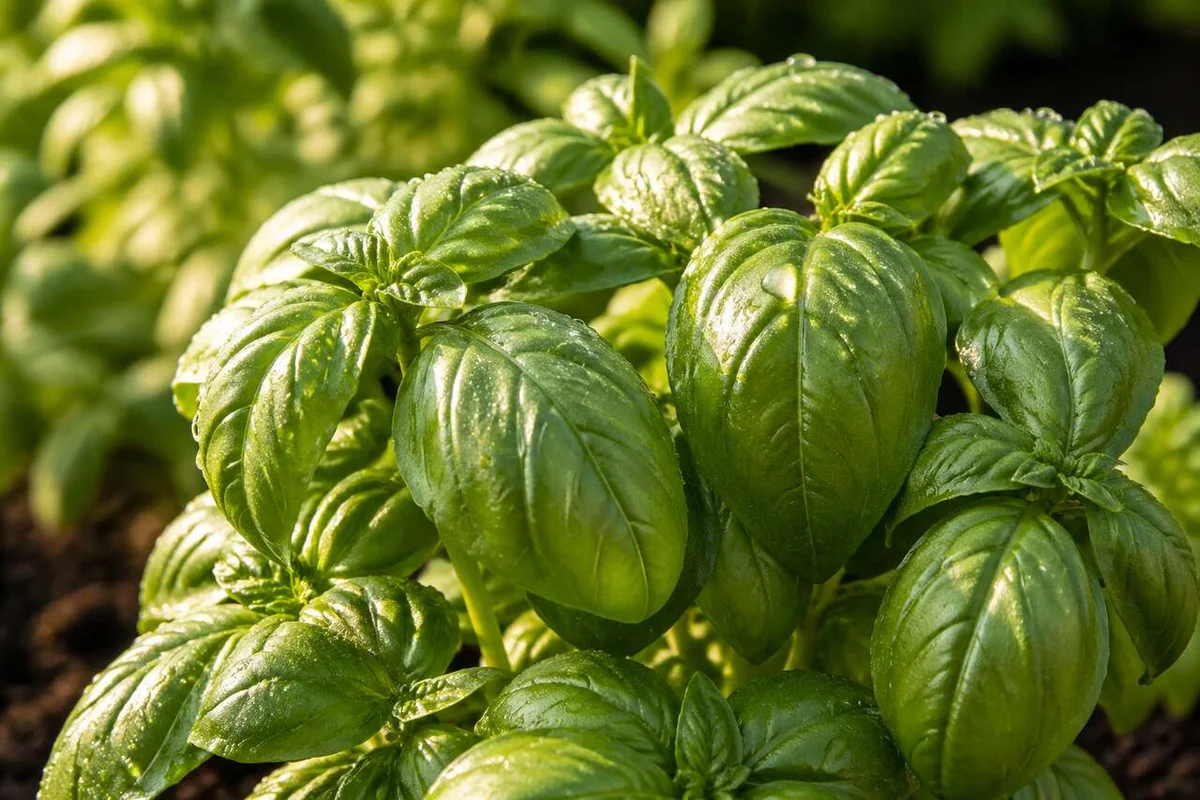
Basil holds a unique position among aromatic plants, serving as a key ingredient in popular recipes while also boasting a rich medicinal history. Its distinctive fragrance is easily recognizable, and it can be cultivated by gardeners of all skill levels. Beneath its tender leaves lies a complex history, a variety of types with differing profiles, and uses that extend well beyond mere garnishing.
Presentation of Basil
Botanical Identity and Characteristics
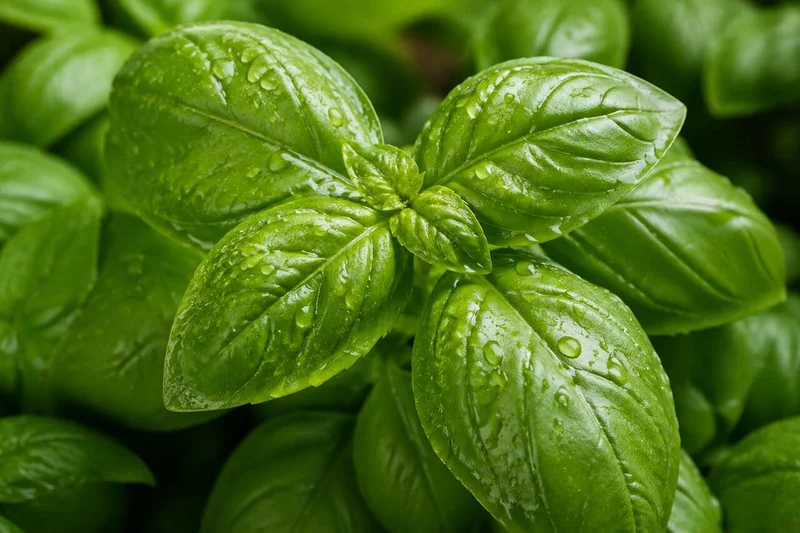
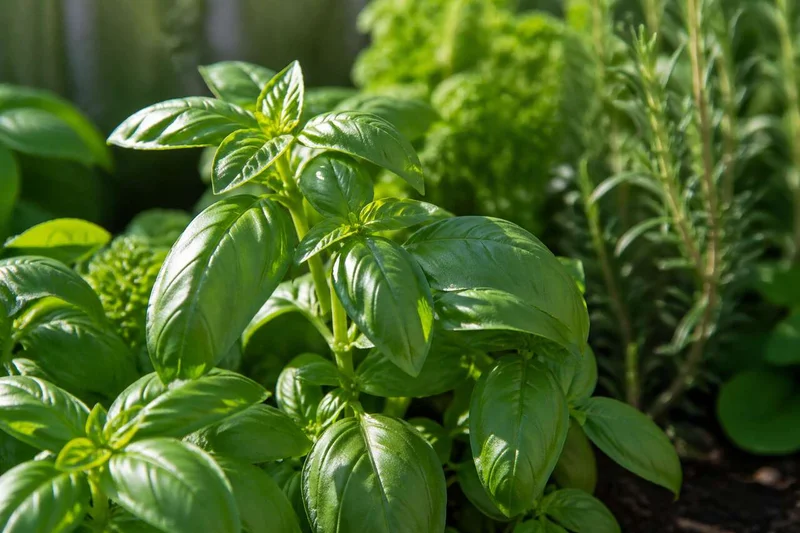
Basil, scientifically known as Ocimum basilicum, belongs to the Lamiaceae family. It is characterized by its flexible stems and oval leaves that vary by variety, along with spike-like flowers. Its appeal lies in its rich essential oil aroma and its ability to regenerate quickly when harvested correctly.
- Primarily cultivated as an annual in temperate climates.
- Leaves are best consumed fresh to retain volatile compounds.
- Flowering should be monitored, as it can reduce leaf production and alter flavor.
Aromatic Profile and Dominant Compounds
The scent of basil is influenced by genetics, sunlight, and the plant's condition. Aromatic notes can range from peppery to citrusy, with a herbaceous base. This diversity is attributed to the composition of essential oils, which change based on cultivation conditions and variety.
| Element Observed | What This Changes | Impact in Cooking | |--------------------------|----------------------------------------|---------------------------------------| | Young leaves | Finer aroma, less camphor-like | Ideal for salads and finishing dishes | | Older leaves | More pronounced flavor | Suitable for sauces and quick stews | | Flowering plant | Often a more bitter aromatic profile | To be limited if aiming for a mild taste |
To understand why basil has become a cultural and culinary staple in many regions, one must explore its origins and historical uses.
Origins and History of Basil
From Asian Roots to Global Spread
Botanical sources trace basil's origins to India and Southeast Asia, where it has been cultivated and valued for over 4,000 years. This long history explains its diverse uses, which include culinary, ritualistic, and medicinal applications. Trade exchanges facilitated its spread to other regions, particularly the Mediterranean basin.
Rituals, Symbols, and Traditional Uses
Basil has been linked to spiritual practices and symbols of protection. The sacred basil, often referred to as tulsi, holds significant importance in Hinduism and Ayurvedic medicine. Other civilizations have employed it in rituals, including funerary practices, indicating its special status beyond the culinary realm.
Arrival in the Mediterranean and European Adoption
Introduced by traders, basil took root in the Mediterranean, evolving into a garden and culinary staple. Its name derives from the Greek basiliskos, meaning "little king," hinting at the symbolic value attributed to it. During the Middle Ages, its culinary and medicinal uses spread throughout Europe, establishing it as a classic garden herb.
This historical journey has led to the emergence of numerous varieties, each developing unique aromas and characteristics.
Different Varieties of Basil
The Essentials: Common, Sacred, Lemon, and Purple
Discussing basil in singular terms is limiting. There are several distinct varieties, selected for their fragrance, color, or resilience. While common basil remains the most prevalent, other types stand out due to their more pronounced aromatic notes.
- Common Basil (Ocimum basilicum): the base for pesto and Mediterranean dishes.
- Sacred Basil (tulsi): associated more with infusions and wellness traditions.
- Lemon Basil: citrus notes, useful in light cooking and beverages.
- Purple Basil: decorative color, often with a stronger flavor.
Practical Comparison of Profiles
Choosing a variety depends on the intended use: a pesto requires a round and vegetal aroma, while an infusion benefits from a more aromatic profile. Cultivation conditions also play a role; some varieties handle heat better, while others flower more quickly.
| Variety | Aromatic Profile | Common Uses | |-----------------------|-------------------------------------|----------------------------------| | Common Basil | Herbaceous, slightly peppery | Pesto, tomatoes, sauces | | Sacred Basil (tulsi) | Spicier, sometimes camphorous | Infusions, wellness traditions | | Lemon Basil | Citrusy, fresh | Fish, salads, beverages | | Purple Basil | Stronger, decorative | Salads, garnishes, vinegars |
Choosing Wisely Based on Cultivation Context
A sunny balcony, a bright windowsill, or a sheltered garden will yield different results. To avoid disappointment, it’s important to anticipate watering rhythms and harvest frequency, as under-harvested basil tends to bolt.
Once the variety is selected, success hinges on simple practices: light, water, and regular pruning.
How to Cultivate Basil
Soil, Light, and Location
Basil thrives in warmth and light. It prefers a well-drained soil and a sunny exposure. When grown in pots, drainage is crucial: excess stagnant water can weaken roots and promote decline.
- Exposure: bright, ideally several hours of sunlight.
- Substrate: light, draining, moderately enriched.
- Protection: shield from cold drafts and drying winds.
Watering and Maintenance: Finding the Right Balance
Watering should be regular but not excessive. Basil does not tolerate extreme fluctuations: prolonged dryness followed by heavy watering can be detrimental. A simple check involves feeling the surface moisture and watering when the top inch of soil is dry. A fine-spout watering can helps avoid compacting the substrate and ensures even water distribution.
Harvesting and Pruning: Stimulating the Plant
Harvesting is not merely a collection; it’s a cultivation technique. Cutting above a node encourages branching and increases leaf production. The goal is to maintain a compact, leafy plant and delay flowering.
- Pinch the tips once the plant is well-established.
- Remove flower buds if prioritizing leaf growth.
- Harvest frequently in small amounts to encourage regrowth.
| Action | Expected Effect | Common Mistake | |-----------------------|-------------------------------------|----------------------------------| | Regular pinching | More branches, more leaves | Letting a main stem bolt | | Moderate watering | Healthy roots | Excess water in the saucer | | Removing flowers | Milder taste, prolonged harvest | Waiting for the plant to seed |
Mastering cultivation techniques leads to aromatic leaves rich in compounds, opening the door to its traditional uses linked to well-being.
Health Benefits of Basil
Antioxidants and Micronutrients: An Interesting Profile
Basil is recognized for its wealth of antioxidant compounds and high vitamin K content. In meals, it helps diversify micronutrient intake, especially when consumed fresh, just after harvest.
Digestion and Daily Comfort
In many culinary traditions, basil is associated with a sense of lightness post-meal. Its use in fresh leaves or infusions is often sought for digestive comfort, particularly after rich or heavily seasoned dishes.
Essential Oils, Inflammation, and Respiratory Health
Basil's essential oils are frequently noted for their anti-inflammatory properties and their applications related to respiratory comfort, particularly in traditional practices. However, it is crucial to differentiate between the plant's culinary use and the concentrated extracts, which demand greater caution.
A pure essential oil has a different risk profile than fresh leaves: the concentration of active compounds is significantly higher.