Exploring the Bison Grass (Hierochloe odorata): Uses, Cultivation, and Benefits
Discover the origins, cultivation methods, and various uses of bison grass (Hierochloe odorata), known for its aromatic properties and benefits in gardening and herbal medicine.
Exploring the Bison Grass (Hierochloe odorata): Uses, Cultivation, and Benefits
23 July 2026
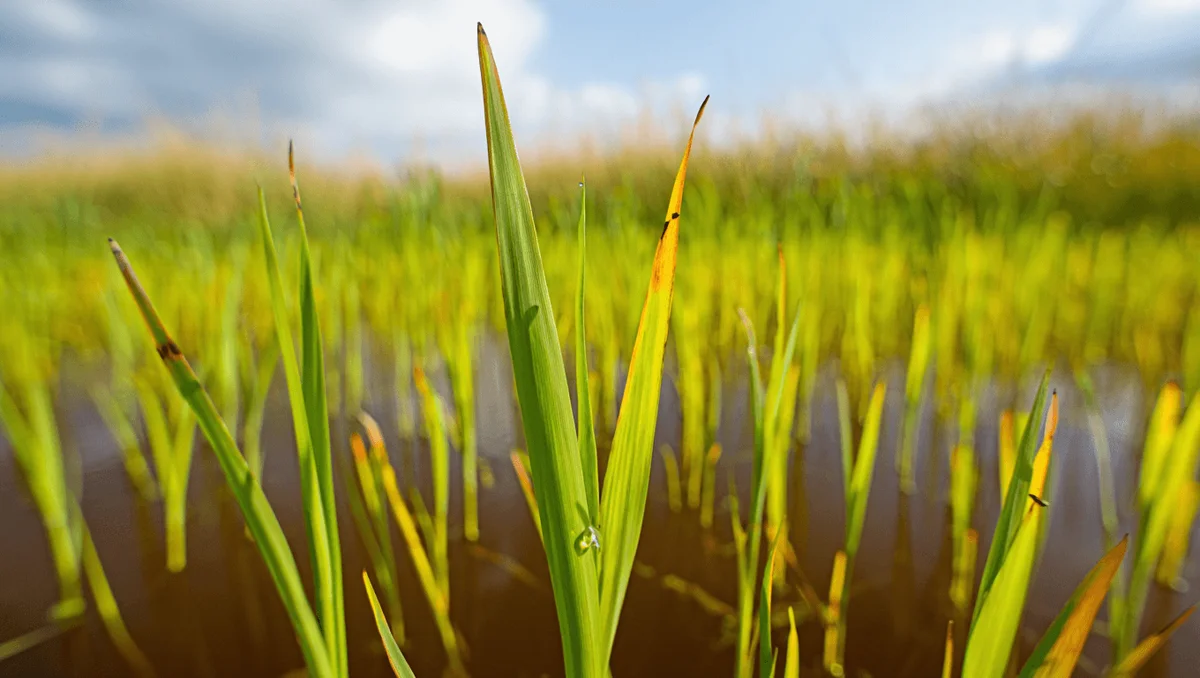
Recognizable by its fresh hay-like scent, the bison grass, scientifically known as Hierochloe odorata, is a grass that has gained fame beyond its native northern prairies. Known in Poland as Zubrówka, this plant is not only celebrated for its aromatic properties but also for its applications in perfumery, herbal medicine, and even in the production of vodka infused with its fragrant stalk. Rich in coumarin, it captivates with its vanilla-like aroma and practical uses in gardens and culinary settings. This article delves into its origins, cultivation methods, and various applications to assist your planting endeavors.
Origins of Bison Grass
Bison grass has its roots in the forests of Eastern Europe, particularly in the Białowieża Forest in Poland, where European bison were reintroduced in the 20th century. This connection lends the grass its vernacular name, reflecting the presence of these majestic herbivores. Its native habitat has contributed to its adaptation to cool, acidic soils found in wetlands and marshes.
The genus Hierochloe consists of around thirty species, but Hierochloe odorata stands out due to its distinctive scent and traditional uses in sacred rites. Botanists and spirit enthusiasts alike recognize it for its inclusion in certain artisanal vodkas and its modest stature in grasslands.
The Aroma of Bison Grass
When the leaves are crushed, they release a warm, sweet scent reminiscent of freshly cut hay. This aromatic signature is primarily due to coumarin, a natural compound that is highly sought after in perfumery. The concentration of coumarin increases during drying or mowing, which explains the intense fragrance of aromatic hay.
In terms of therapeutic properties, coumarin endows the plant with interesting benefits, such as venotonic, anti-inflammatory, and anticoagulant effects. These applications are cautiously explored in modern herbal medicine, always considering appropriate dosages and contraindications.
Ideal Soil and Exposure Conditions
Bison grass thrives in sunny to partially shaded locations with soil rich in organic matter. It prefers slightly acidic, cool, and even moist conditions that mimic its natural wetland habitat. In dry, calcareous soils, the plant may struggle and lose its aromatic qualities.
Here is a quick reference table for the essential characteristics of the plant:
| Characteristic | Detail | |----------------------|---------------------------| | Family | Poaceae | | Type | Perennial grass | | Origin | Poland, Eastern Europe | | Height | Up to 0.7 m | | Flowering | June | | Hardiness | Down to -35 °C | | Sowing | Autumn or after stratification |
Sowing and Propagation of Bison Grass
Successful sowing is best achieved after a period of cold stratification or by sowing in the autumn to allow the seeds to experience winter. The freeze-thaw cycle breaks dormancy and promotes good germination in the following spring. Patience is required, as germination can be slow for this species.
The simplest propagation method is through clump division in spring when the plant begins to grow vigorously. This technique helps to manage the spread of its creeping rhizomes and effectively multiply your plants. Be sure to allocate enough space, as a single plant can expand to occupy up to one square meter over time.
Care and Maintenance of Bison Grass
In suitable conditions, maintenance is minimal, as the plant is robust and low-maintenance. Pruning after flowering helps to maintain aesthetic appeal and encourages new leaf growth. Adequate watering is crucial for container cultivation, preferably using low-calcium water to preserve the aroma.
For outdoor cultivation, organic mulching helps retain soil moisture and supports microbial life. During prolonged dry spells, targeted watering prevents hydric stress and maintains the aromatic potency of the leaves.
Pests and Diseases Threatening Bison Grass
Powdery mildew can affect the plant if ambient humidity is high and air circulation is poor. Regular monitoring allows for early intervention by removing affected parts and improving air flow. Treatments should be proportionate and environmentally respectful.
Significant pest issues are rare for this species if exposure and soil conditions are properly managed. In pots, watch for excess stagnant water, which can lead to rot and root diseases.
Culinary, Cosmetic, and Domestic Uses
Bison grass is known for flavoring beverages and spirits, with the most famous being Zubrówka vodka, which features an aromatic stalk for an unparalleled scent. Artisan distilleries utilize this vanilla note to create unique expressions. In perfumery, its essential oil is incorporated into warm, herbal compositions.
At home, dried bison grass can be braided to scent closets and linens, similar to lavender. In herbal medicine, coumarin is valued for its venotonic and anti-inflammatory effects, always adhering to usage recommendations.
- Scenting wardrobes and drawers with dried stems
- Flavoring spirits and syrups with brief contact to avoid excessive coumarin extraction
- Using in cosmetics for its warm note in formulations