Autumn Care for Hydrangeas: Pruning and Tips
Discover essential tips for autumn care of hydrangeas, focusing on pruning techniques, common mistakes to avoid, and complementary maintenance practices to ensure vibrant blooms in spring.
Hydrangeas, known for their stunning blooms and generous flowering, hold a special place in many gardens. However, their care requires particular attention, especially in the autumn 🍁, when the flowering season comes to an end and the plants gradually enter a period of dormancy. This phase is crucial as it influences the blooming of the following year. Pruning hydrangeas in the fall is a delicate task aimed at cleaning the plant 🪴 without damaging the buds that will produce future flowers. Understanding when and how to intervene is essential for maintaining vigorous and harmonious shrubs. This guide offers practical advice from professional gardeners to help you navigate this key step and prepare your hydrangeas for a serene winter.
How to Prune Hydrangeas in Autumn?
Autumn pruning should be gentle and measured. The goal is not to reshape the shrub but to prepare it for winter by removing any elements that could weaken it. Here are the essential steps to follow.
Remove Wilted Flowers
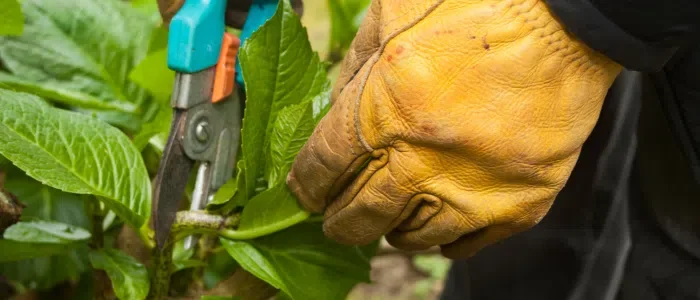
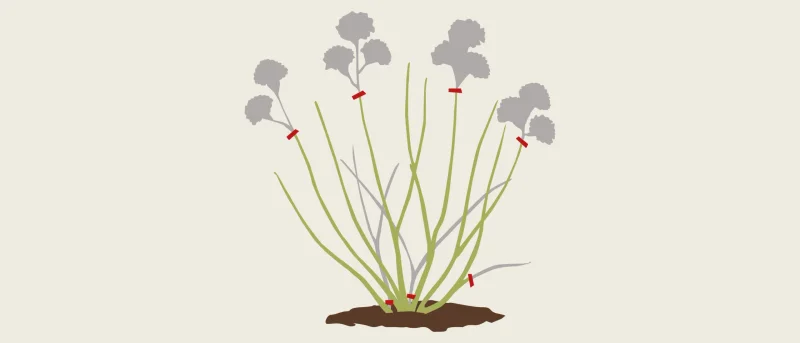
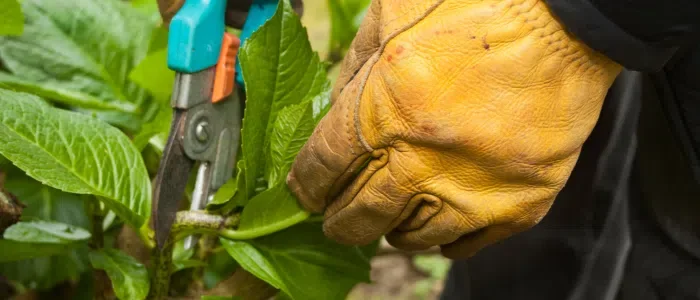
The first step involves taking off the wilted flowers, which have become dry and heavy. Using clean, disinfected pruning shears, cut the inflorescences 1 to 2 cm above the first visible buds. This short cut helps redirect sap toward these buds, promoting better growth in the spring. In regions with mild winters, one can cut a bit lower, always ensuring that the buds remain untouched. Conversely, in colder climates, it is advisable to leave some wilted flowers in place as they provide natural protection against frost.
Clean the Center of the Hydrangea Clump
Autumn is also a good time to slightly thin out the shrub. By removing dead, dry, or broken wood, you enhance air circulation and light penetration. This aeration limits the development of fungal diseases (such as powdery mildew and botrytis) and allows young shoots to thrive. Gently pull on the dead stems; those that come away easily should be removed. Older, thick, and unproductive branches can also be gradually eliminated, but care should be taken not to overdo it in autumn.
Essential Finishing Touches After Autumn Pruning
Once the pruning is completed, finish with a few simple yet crucial actions:
- Lightly hoe the soil around the base to aerate it.
- Apply organic mulch (such as bark, fallen leaves, or compost) to protect the roots from the cold and maintain moisture.
- Always prune at an angle towards the outside to prevent water from pooling on the cut, which could weaken the stem.
These finishing touches prepare your hydrangeas to face winter in the best possible conditions and promote vigorous growth in the spring!
Mistakes to Avoid
While pruning hydrangeas in autumn may seem straightforward, common mistakes can jeopardize the following year's blooms or even weaken the plant permanently. Here are the main pitfalls to avoid.
- ❌ Cutting too short: The most common mistake is to severely prune the shrub in autumn. Remember, it is the stems from the previous year that bear the flowers. Cutting too low risks removing most of the flower buds and compromising the spring bloom.
- ❌ Neglecting to disinfect the pruning shears: Poorly maintained tools can transmit diseases from one plant to another. Before starting, clean and disinfect your shears with alcohol or a suitable solution. This simple precaution can prevent many problems.
- ❌ Removing all wilted flowers in cold climates: In areas prone to severe frost, it is better to leave some wilted inflorescences. They act as a natural barrier against frost, protecting the underlying buds. Removing them entirely could expose the plant to winter damage.
- ❌ Cutting young shoots: Young, green, and flexible shoots should not be removed. These will ensure future blooms and the renewal of the shrub. Only remove dead, diseased, or clearly unnecessary branches.
- ❌ Neglecting the angled cut: A straight cut encourages rainwater to stagnate, which can freeze or lead to infections. An angled cut towards the outside allows water to drain and protects the stem.
Why Prune Hydrangeas in Autumn?
Autumn pruning serves several purposes. First, it helps preserve the plant's vitality: by removing wilted flowers and dry stems, the shrub can concentrate its energy on the still-active buds. This step contributes to a more abundant bloom in the following spring. Additionally, light pruning 🪚 in autumn helps prevent certain diseases. Dead wood or damaged flowers can retain moisture and become breeding grounds for fungi. By removing these weakened parts, the risk of health issues is minimized. The pruning also has an aesthetic role: it helps maintain a balanced shape and prevents the shrub from exhausting itself unnecessarily. A well-maintained hydrangea retains an airy, harmonious, and decorative clump even outside of its flowering. 🧑🌾
This intervention sets the stage for the spring pruning 🌱, which is more structural and aims to rejuvenate the shrub and stimulate the growth of new shoots. Autumn, on the other hand, focuses on immediate maintenance and protecting the plant through winter.
When to Prune?
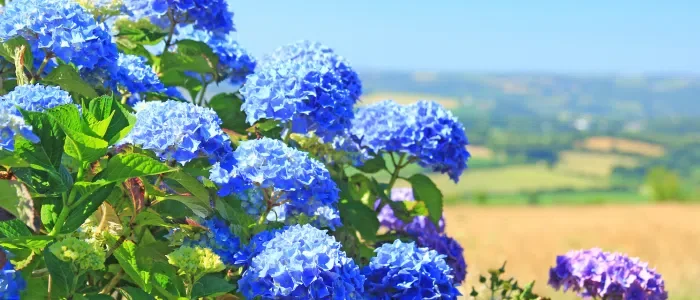
The right time to prune hydrangeas depends on both your region's climate and the plant's condition. Generally, pruning should occur just after the end of flowering, between September and November, before the first severe frosts. In mild climates, such as the Atlantic or Mediterranean coasts ☀️, it is possible to prune a bit earlier and shorter since the buds are less likely to suffer from harsh frosts. ❄️ This early pruning lightens the shrub and encourages sap circulation toward the remaining buds.
In contrast, in cold or continental regions, caution is advised. Wilted flowers provide natural protection against frost, covering the buds below. In this case, it is better to wait until the end of winter or the beginning of spring for a more thorough pruning, limiting autumn intervention to light maintenance. Another key consideration is the plant's biology: the flowers appear on last year's stems. Therefore, cutting too severely in autumn risks removing future blooms, highlighting the importance of a gentle and reasoned approach during this season.
Complementary Autumn Care Practices
| Care Action | Description | |---------------------------|---------------------------------------------------------------------------------------------------| | Adjust Watering 💧 | In autumn, water needs decrease. In case of drought, water moderately but regularly, especially for young plants or those in pots, without wetting the foliage. | | Nourish the Soil 🌱 | Add mature compost or decomposed manure to enrich the soil. Avoid nitrogen fertilizers at this time to prevent unnecessary growth. | | Protect Against Frost ❄️| Use mulch at the base of the plants, and a winter cover in colder regions. Pots can be placed near a south-facing wall. | | Maintain the Soil | Lightly hoe to aerate, weed, and facilitate water infiltration. In spring, a raking will incorporate the amendments into the soil. | | Check Plant Health 🌿 | Inspect leaves and stems for diseases or pests. Use natural treatments like nettle manure or Bordeaux mixture if necessary. |
These practices, combined with appropriate pruning, ensure a beautiful bloom in the spring and a harmonious garden throughout the year!
Hiring a Professional: A Real Advantage 👨🌾
Pruning and caring for hydrangeas may seem simple, but each variety has its specifics, and climate greatly influences the methods to adopt. This is where the intervention of a landscaper or professional gardener becomes invaluable.
- Expertise Tailored to Varieties 👁️: There are several types of hydrangeas (macrophylla, paniculata, quercifolia, arborescens…), each reacting differently to pruning. For instance, the large-flowered hydrangea (macrophylla) should never be pruned in the same way as the panicle hydrangea (paniculata), which is more tolerant. A professional can recognize the varieties and apply the correct technique.
- Safe and Sustainable Work ♻️: Poorly executed pruning can compromise blooming for an entire season. Professional gardeners have the right tools and know the precise actions to take without harming the plant. They also ensure complementary care (mulching, amendments, frost protection) to best prepare for winter.
- Tax Benefits 🤝🏼: Hiring a professional gardener under the personal services category allows for tax credits or deductions. This is a way to maintain a well-kept garden while optimizing your budget.
- Personalized Support 👥: Beyond occasional pruning, landscapers can advise on overall garden layout, plant associations, or fertilization needed to ensure the health of the beds. This tailored support transforms simple maintenance into a sustainable project.
Caring for your hydrangeas in autumn is about preparing for the spectacular blooms of the coming spring. A gentle pruning, thoughtful cleaning, and a few complementary actions are all it takes to keep your shrubs healthy and capable of enduring winter without difficulty. ✅ Beyond the technical aspects, autumn maintenance is part of a broader vision: that of a vibrant, balanced, and sustainable garden. Hydrangeas, with their generous and colorful inflorescences, symbolize this harmony. When well cared for, they become valuable assets for structuring a bed, enhancing a hedge, or adding a romantic touch to a family garden. 👨👩👦👦
And because a poorly executed pruning gesture can sometimes cost an entire season of flowers, it is always possible to rely on the expertise of a professional gardener or landscaper. Their knowledge, combined with a fine understanding of the varieties and local conditions, ensures that hydrangeas remain radiant year after year. Preparing your hydrangeas in autumn is an investment in the beauty and vitality of your garden for all seasons to come!