Effective Summer Watering Techniques for Your Garden
Summer heat presents significant challenges for gardens. Learn effective watering techniques for different plants to maintain their health and minimize water waste.
As summer heat intensifies, gardens face significant challenges. Whether it’s a vegetable patch, lawn, shrubs, or potted plants, each area has unique watering needs. Proper watering during this season is crucial for preserving plants, minimizing waste, and maintaining a healthy outdoor space despite the heat. Here are some essential tips for effective summer watering.
Optimal Watering Times
In the summer, watering should be done thoughtfully, not just at any time or in any amount. It’s critical to avoid watering between 12 PM and 4 PM, as water evaporates quickly in the heat, and droplets can act like magnifying glasses, potentially causing burns. The best times to water are early in the morning, between 6 AM and 8 AM, or late in the evening after 7 PM when the sun's intensity is reduced. This timing allows plants to absorb moisture effectively while minimizing water waste due to evaporation.
💧 Frequent light watering can encourage shallow root systems. It is preferable to water more thoroughly, but less often, to encourage plants to develop deeper roots. Constantly soggy soil can harm plants just as much as drought. Symptoms such as yellowing leaves, root rot, or diseases may arise from overwatering.
💡_Helpful tips:_
- Always check the weather before watering. Is rain in the forecast? If so, hold off on watering and let nature do it.
- Feel the soil with your finger to check for dryness.
- Keep an eye on your plants; they often signal their needs.
Watering Needs for Your Garden in Summer
The watering requirements vary based on temperature, soil type, plant species, and regional conditions, but some general guidelines can help.
Watering the Vegetable Garden
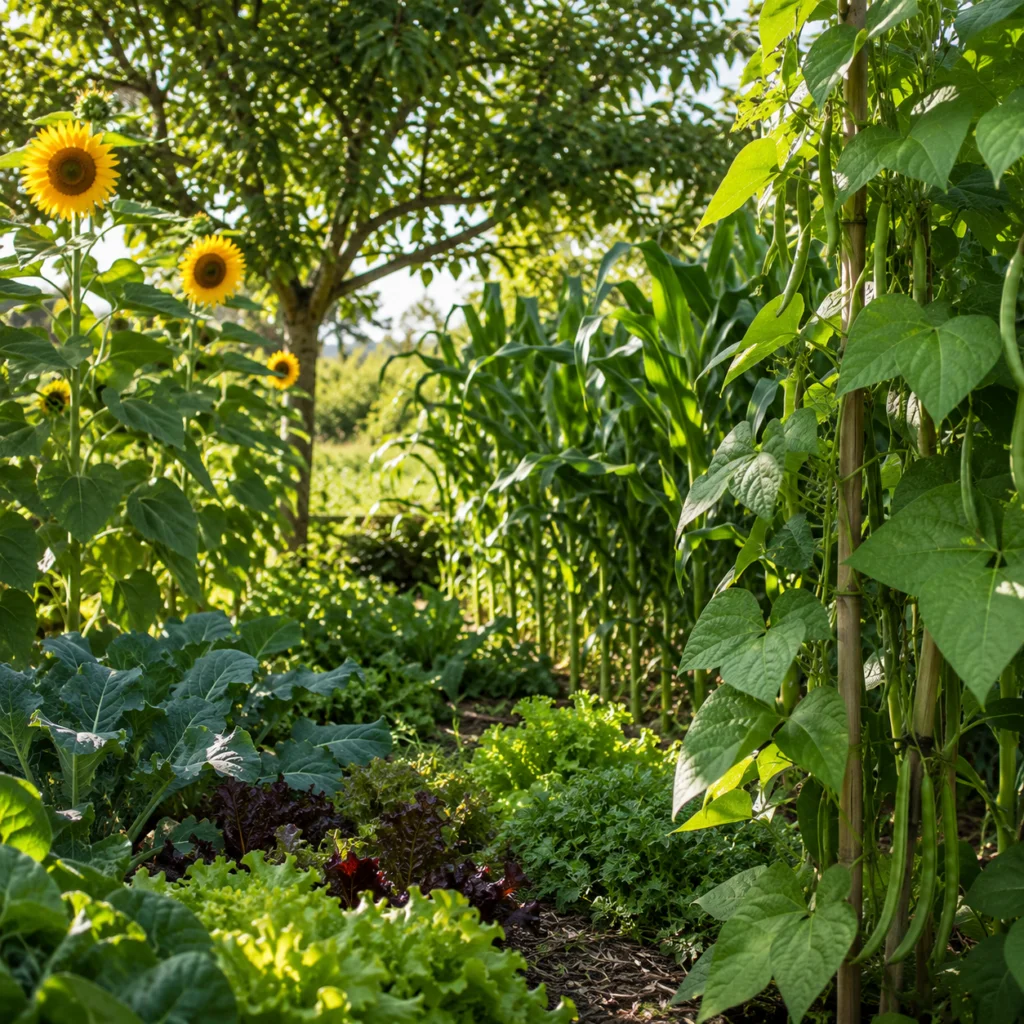
In a vegetable garden, different plants have varying water needs. Tailoring your watering approach can prevent waste and keep your crops healthy 🌿.
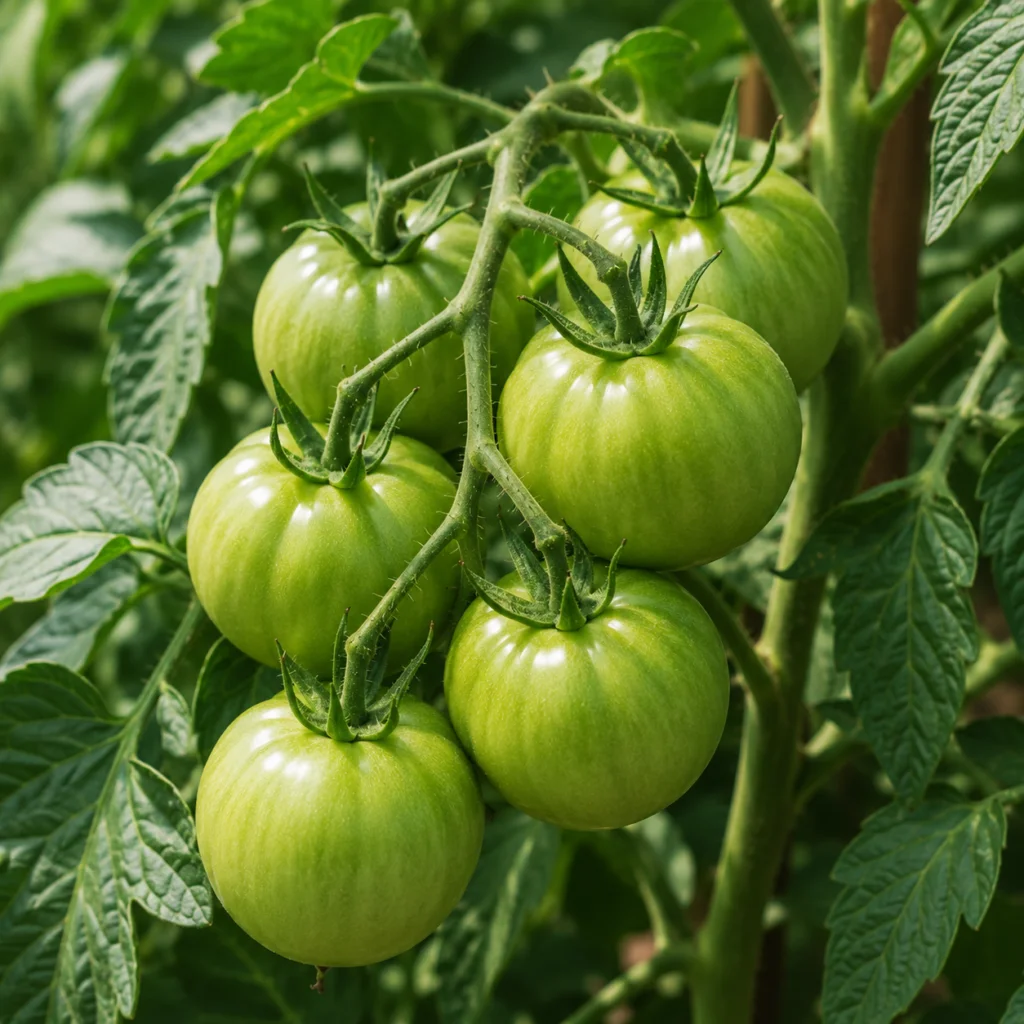
Water-Hungry Vegetables Moderate Water Needs Low Water Needs Berries Examples Tomatoes (especially during fruit formation) 🍅 Zucchini Carrots 🥕 Garlic 🧄 Strawberries 🍓 Cucumbers 🥒 Lettuce Potatoes 🥔 Beans Onions 🧅 Celery Beets Herbs (thyme, rosemary, sage)
Watering Frequency 2 to 3 times per week 1 to 2 times per week 1 time or less per week 2 to 3 times per week
Characteristics Require consistently moist soil; lack of water can quickly affect yield. Can tolerate short dry spells but benefit from regular watering during prolonged heat. Prefer drier conditions; excessive water can be detrimental. Insufficient water can diminish fruit size and quality.
Watering Potted Plants and Shrubs
Potted plants typically require nearly daily watering in summer, as their soil dries out quickly. They have high water demands. If you plan to be away on vacation, ensure you have a strategy to keep them hydrated 🥀.
Established plants in the ground may only need watering once a week in summer, unless there is a prolonged dry spell. However, young plants require more attention and may need watering 2 to 3 times a week initially to support their growth. 👍🏼
Watering the Lawn
Lawns do not require daily watering; 1 to 2 times per week with deep watering is usually sufficient. It’s important to avoid watering during the peak heat of the day and to use a strong jet.
Summer Watering Methods
Gardening involves more than just planting; proper maintenance includes suitable watering, especially during the summer 🌞. Here are the main methods to keep your garden healthy while managing water consumption effectively. 💧
Watering Can
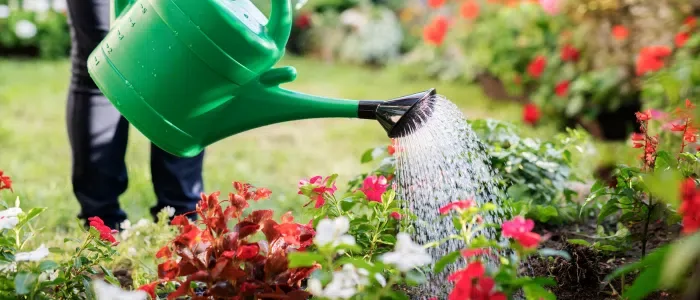
The classic watering can remains an essential tool in the garden. Its spout allows for targeted watering at the base of plants without waste. With a rose attachment, it provides a gentle shower, ideal for seedlings and young plants 🌱. This simple, economical, and precise solution is perfect for smaller areas.
Hose
The commonly used garden hose makes it easy to cover larger areas. It can be:
- Simple,
- Equipped with a wall-mounted reel,
- Or automatic with an integrated return.
Adjustable nozzles allow you to tailor the water flow to meet the plants' needs 🌱.
However, be cautious: without proper settings, the water pressure can be too strong and damage plants.
Automatic Watering Systems
For added convenience, automatic systems can take over, especially during absences. They allow you to schedule watering according to the garden's needs, reducing forgetfulness and preventing overwatering.
Sprinklers
Sprinkler systems simulate artificial rain through mobile sprinklers (oscillating or rotating). They are convenient for lawns and large areas but can lead to significant evaporation during peak summer.
Subsurface Irrigation
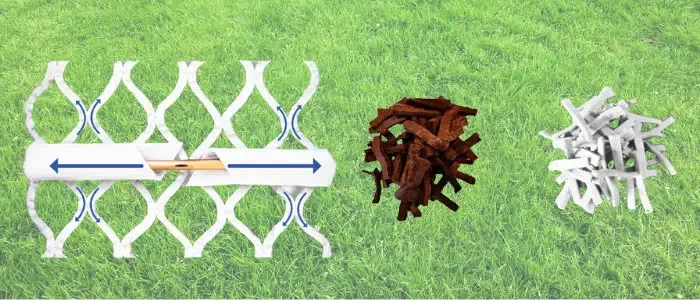
This system consists of buried nozzles (emitters or turbines):
- Emitters deliver a fixed, precise spray.
- Turbines rotate to water larger areas.
A timer can automate this based on soil moisture 🌧️. It is an effective but more costly solution, often used in hot regions or large gardens.
Water Conservation in the Garden
In summer, several strategies can be implemented to preserve soil moisture while minimizing watering needs. 💧
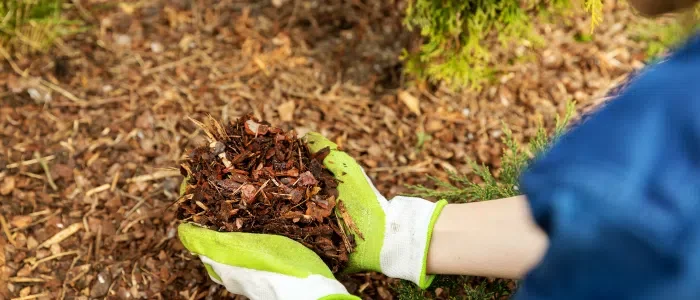
Mulching is one of the simplest and most effective methods. By covering the soil with natural materials like straw, wood chips, or dried leaves 🍂, it helps retain moisture longer, reduces evaporation from sunlight, and protects roots from extreme heat. Mulching also helps suppress weeds, which also compete for the soil's water reserves. 🌱
Drip Irrigation is particularly suitable for vegetable gardens, flower beds, or hedges. By delivering water slowly and consistently, it targets the plants' roots directly, minimizing waste, reducing evaporation, and promoting deeper root growth. This method is one of the most economical and effective solutions for controlled watering. 👍🏼
Increasingly popular in gardens, ollas provide a natural and ecological alternative. These porous clay pots, buried near plants, gradually release water into the soil. Roots naturally access moisture as needed, significantly reducing waste. Ollas are especially suitable for vegetable gardens and crops sensitive to water stress.
When combined with watering done early in the morning or in the evening, these methods help maintain a healthy garden throughout the summer while using water more responsibly 💧🌱.
Properly watering your garden in summer mainly requires developing good habits: watering at the right time, adjusting amounts based on plant needs, and favoring water-saving solutions like mulching, drip irrigation, or ollas. Thoughtful watering practices help maintain garden health while minimizing waste during the hottest days.