Avoiding Common Summer Gardening Pitfalls
As summer heat increases, gardens can suffer from improper care. Discover common pitfalls to avoid for healthier plants and a flourishing garden.
As summer heat intensifies, it’s essential to recognize the signs that your garden may be struggling. Plants exhibit stress through curled leaves, drooping stems, and dry patches in the lawn, indicating that they may not be receiving the care they need. While insufficient watering is often blamed, the issue can also stem from improper techniques or timing. Here are some common gardening mistakes to avoid during the hot months.
Mistake 1: Watering by Guesswork
Many gardeners tend to water their plants based on instinct rather than a structured approach. Simply wetting the surface of the soil is often insufficient; it’s crucial to ensure that water penetrates deeply enough to reach the roots. Shallow watering can leave the roots dry, which can harm plant health. A better strategy is to water less frequently but more thoroughly, allowing the water to seep in slowly. To check if your plants need watering, perform the finger test: if the soil is still moist a few inches down, hold off on watering.
Observation Note Action
Surface dry Can be misleading Finger test
Crumbly soil Lack of water Water thoroughly
Slick soil Too wet Pause watering
Puddles Soil compaction Loosen later
Wilting Heat or drought stress Check the soil first
Keep in mind that sandy soils dry out faster than heavier soils, and raised beds lose moisture more quickly than traditional gardens. Newly planted perennials require more attention than established plants, meaning a one-size-fits-all watering schedule won’t suffice.
Mistake 2: Watering the Entire Plant
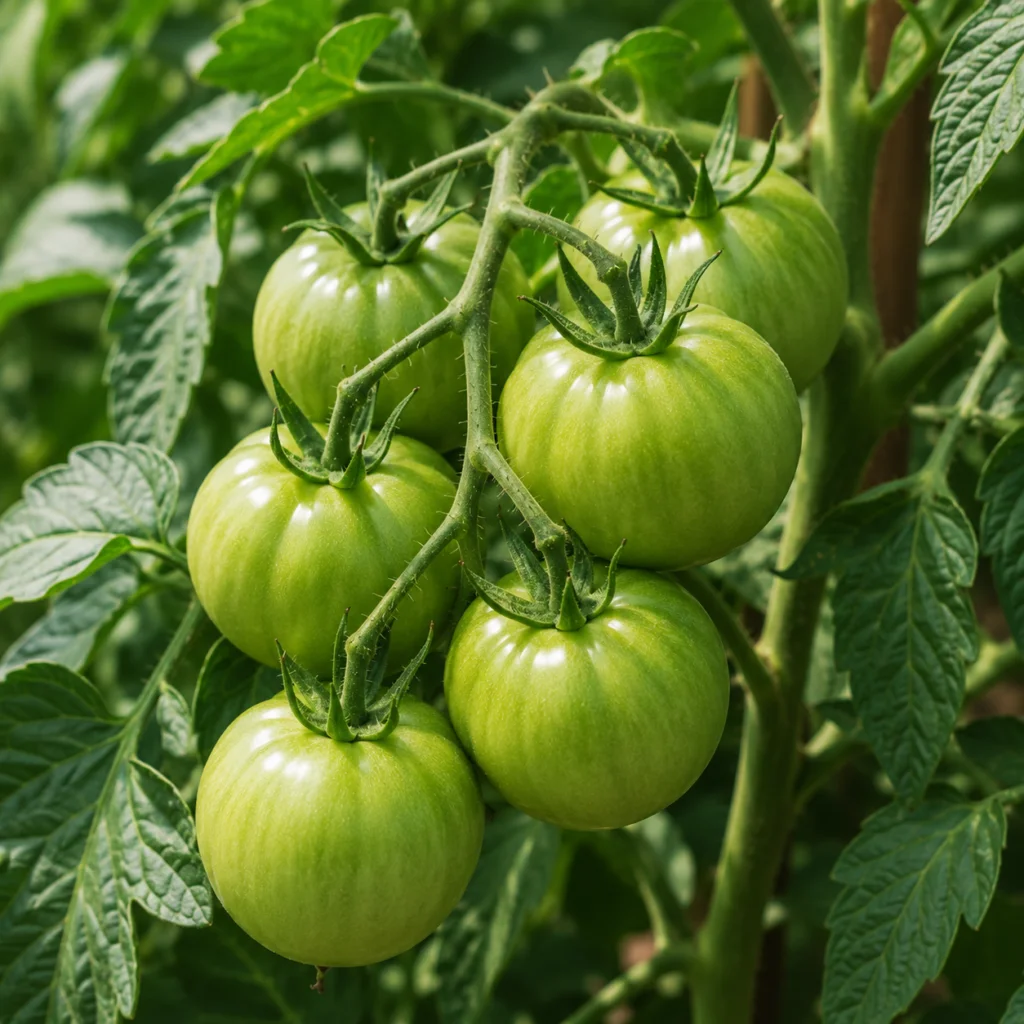
While using a sprinkler can be convenient, it may not be the best method for many plants. Crops like tomatoes, cucumbers, zucchini, and roses prefer their leaves to stay dry to prevent fungal diseases. It’s advisable to water close to the ground using a watering can, drip hose, or a small watering ring around the base of the plant. For larger plants, focus your watering around the root area where the roots spread out.
A brief summer rain won’t replace the need for deep watering since it only moistens the surface, leaving the soil underneath dry.
Mistake 3: Watering at the Wrong Time
The optimal times to water your garden are early morning and late evening. Morning watering allows the water to soak in while the soil is cooler, and any wet leaves will dry out quickly. Evening watering is also effective if done directly at the soil level. However, if you have a snail problem, evening watering can attract them, as they thrive in damp conditions.
Avoid watering during the hottest part of the day, as much of the water will evaporate before reaching the roots. If a plant appears droopy and the soil is dry, it’s still important to water it, ensuring you do so close to the ground.
Mistake 4: Watering with Cold Water
While cold water can be refreshing for us, it can shock plants that have been sitting in warm soil. This is particularly harmful to young seedlings and sensitive summer flowers. Water that has been sitting in a rain barrel is preferable as it is closer to ambient temperature. When using a hose, let the water flow slowly and avoid blasting it directly onto hot pots or dry root balls.
Mistake 5: Treating Container Plants Like Garden Plants
Plants in containers have limited root space, which means they can dry out more quickly than those in the ground. Smaller pots and dark containers heat up faster, exacerbating the drying issue. It’s essential to ensure that container plants have adequate drainage and are not left sitting in water, which can lead to root rot. Here are some tips for container care:
- Use pots with drainage holes and ensure they are not blocked.
- Select the appropriate pot size for your plant.
- Place your plants in a bright spot without excessive heat.
- Check for water needs in the morning and water accordingly (evening is also acceptable).
- Use saucers under pots and empty them periodically.
- Water slowly when the soil is dry to allow better absorption.
If water runs straight through, the soil is too dry to retain moisture. In such cases, consider soaking the root ball until no air bubbles rise.
Mistake 6: Fertilizing in Heat and Drought
When plants are wilting, the instinct may be to add fertilizer. However, during hot and dry conditions, this can worsen the situation. Avoid applying liquid fertilizers to dry soil; always water first and only fertilize if the plant genuinely requires nutrients. Keeping a record of when you last fertilized can help you determine when to feed your plants.
Error Consequence Solution
Fertilizing during drought Root stress Water first
Over-fertilizing Weak growth Reduce dosage
Too much nitrogen Susceptible growth Fertilize sparingly
Fertilizing on hot days Added stress Fertilize cooler
Container plants need regular feeding during summer as their nutrient supply is limited. Remember, less is often more when it comes to fertilization.
Mistake 7: Leaving Soil Bare
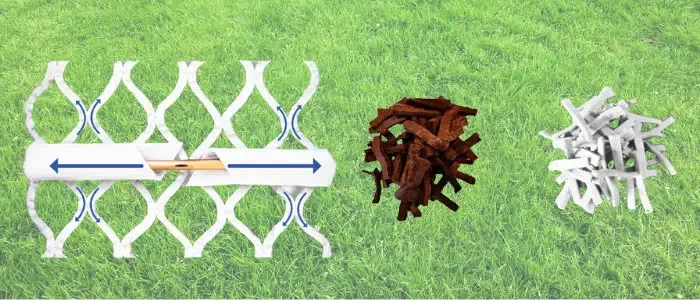
A bare garden bed may look tidy, but it has several drawbacks. The soil dries out quickly, crusts over, and heats up more, which can hinder water penetration. Additionally, it allows weeds to thrive. A thin layer of mulch can help retain moisture, suppress crusting, and keep the soil cooler. Suitable mulching materials include dried grass clippings, leaves, straw, finely chopped hedge trimmings, plant debris, or bark mulch.
Be cautious with the amount of mulch; fresh grass clippings should not be applied too thickly, or they may clump together. Leave some space around the plant base to prevent rot. In gardens with many snails, use a thinner layer of mulch and check it regularly.
Mistake 8: Cutting Your Grass Too Short
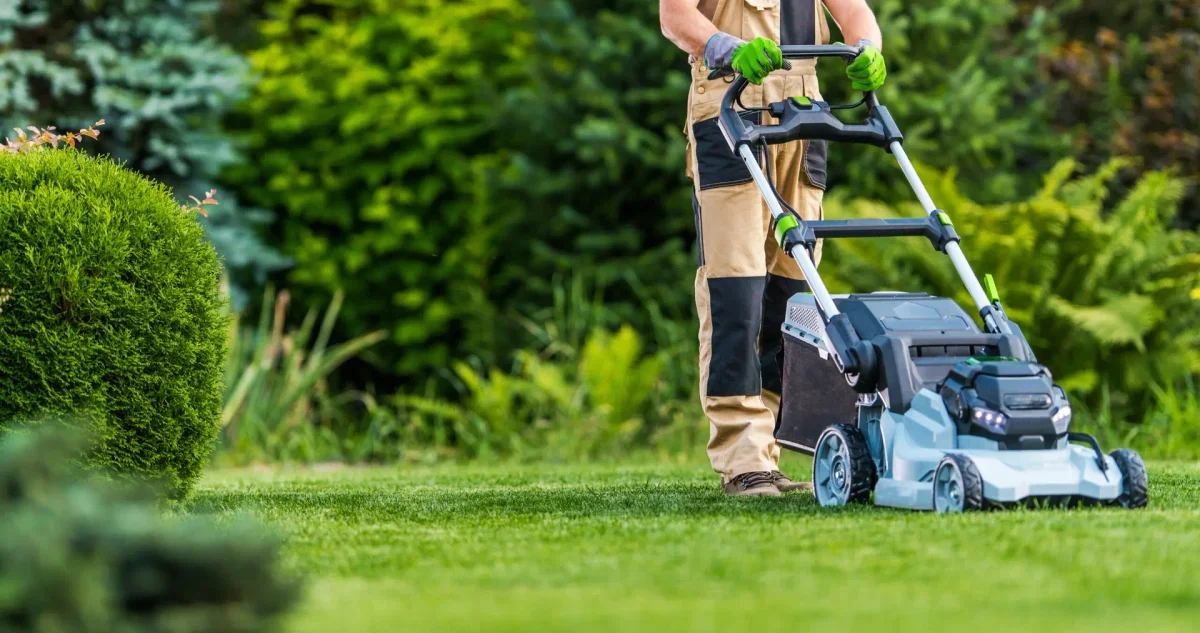
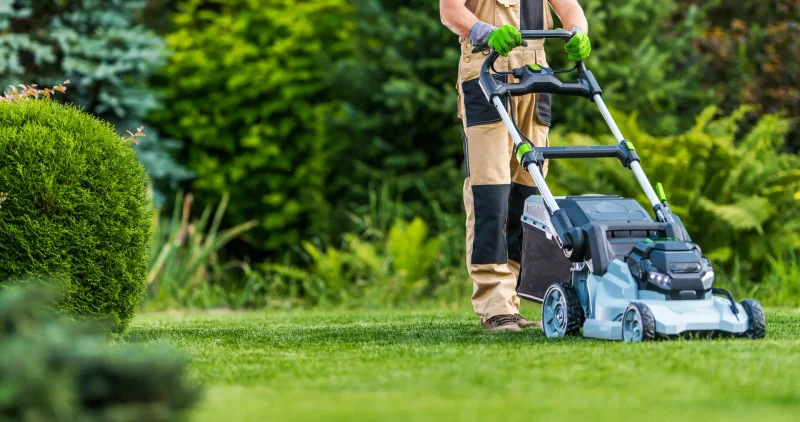
Many homeowners tend to mow their lawns short in summer to reduce maintenance. However, this can backfire in hot and dry conditions. Short grass provides less shade, leading to quicker drying of the lawn and potential brown patches. It’s better to mow regularly but at a higher setting, promoting healthier grass.
Situation Error Solution
Heat Mowing too short Leave it taller
Drought Mowing too often Take a break
New seeding Allowing to dry out Keep it moist
Established lawns Panic watering Wait it out
A well-established lawn may turn yellow during drought but typically recovers after a good rain or thorough watering. Newly seeded grass is more vulnerable due to its shallow roots.
Mistake 9: Watering Seedlings Too Infrequently
For those sowing seeds in summer, extra care is necessary. Fine seeds are often sown shallowly, and seedlings have limited reserves. If the seedbed dries out, expect poor germination rates. Heat-sensitive crops like carrots, radishes, lettuce, spinach, and herbs require consistent moisture. After sowing, water gently with a fine spray, and consider using shade cloth or a cover to retain moisture until germination.
Mistake 10: Maintaining Excessive Order in the Bed
Weeding is important, as weeds compete for water, light, and nutrients. However, a completely bare bed in summer can be counterproductive. Frequent tilling during dry conditions can disturb fine roots and lead to quicker drying of the soil. Instead, focus on targeted weeding: remove young weeds early, carefully pull out perennial weeds, and cover bare patches afterward.
Pruning should also be done judiciously. While you can deadhead many summer flowers and remove diseased leaves, a drastic cut, especially during hot days, is unnecessary. Always dispose of any diseased plant parts immediately to prevent spreading.
Thoughtful Summer Care
During the summer, well-intentioned gardening practices can sometimes backfire. It’s crucial to understand that not every plant requires water simply because it shows signs of stress, nor is every container positioned perfectly in the sun. Being mindful and avoiding hasty actions will help both your plants and yourself thrive throughout the summer.