Managing Couch Grass: A Gardener's Guide
Couch grass can deceptively blend into gardens, but its extensive underground rhizomes can create significant challenges. Learn how to identify and effectively manage this persistent plant.
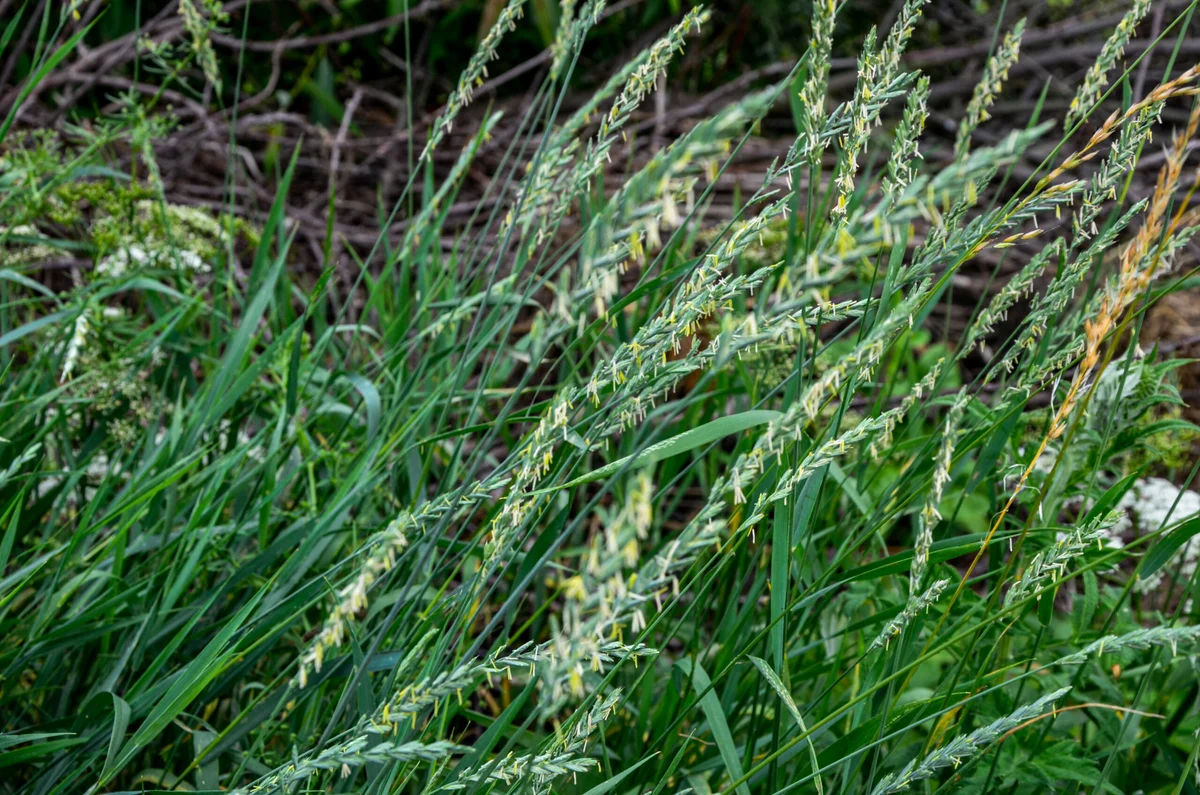
Couch grass, or Elymus repens, is a persistent plant that can deceptively appear harmless in gardens. A few green blades nestled among perennials or at the edge of a lawn might not seem like a significant issue. However, beneath the surface, its roots can extend up to one meter long, creating an extensive network of rhizomes that can quickly become problematic.
If you find couch grass in your garden, you might think that simply pulling it out will solve the problem. Unfortunately, this is often not the case, as remnants of the roots typically remain in the soil, allowing the plant to regrow. However, if you act promptly, you can manage its spread effectively. The key is to remove the rhizomes entirely and to monitor the area regularly.
Couch Grass Overview
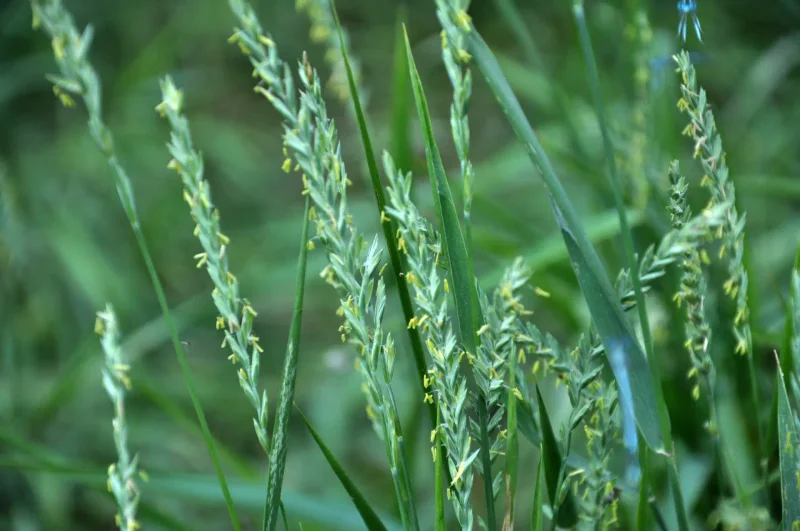
There are over 200 species of couch grass, with the creeping couch grass (Elymus repens) being particularly notorious. This species can grow up to 120 centimeters tall and produces narrow spikes in the summer. While the visible blades may suggest a minor issue, the real challenge lies underground. When attempting to remove couch grass, ensure that you extract the entire root system to prevent new shoots from emerging.
Identifying Couch Grass in Your Garden
Couch grass can be tricky to spot in lawns, as it often blends in with other grasses. It typically reveals itself when it begins to flower. In garden beds, however, it is more noticeable, often appearing as isolated blades or clusters of grass among other plants. Common signs of couch grass include:
- Long, narrow, grass-like leaves
- Upright stems that may later produce spikes
- Pale, firm root strands just below the soil surface
- New shoots appearing in small rows or loose clusters
- Grass tufts that quickly reappear after being pulled
If you only remove the visible blades, the plant can easily break off at the roots, allowing it to regrow.
Removing Couch Grass from Garden Beds
When you discover couch grass in your garden beds, avoid simply yanking it out. To ensure that no roots remain, gently loosen the soil in the affected area and try to pull out the pale runners in one piece. A digging fork is the most effective tool for this task, as it lifts the soil without cutting it as severely as a spade or hoe would. Follow these steps:
- Clear the affected area generously.
- Gently loosen the soil with a digging fork.
- Trace the runners with your fingers.
- Collect any broken pieces immediately.
- Shake off any soil from the root fragments.
- Recheck the area after a few weeks.
Pay special attention to the edges of garden beds, as couch grass often encroaches from there. If any remnants are left unnoticed, monitor the area closely.
Best Time for Removal
Couch grass is easiest to remove when the soil is slightly moist. After rain or thorough watering, the runners tend to come out more easily. In dry conditions, they may break off, requiring another attempt later.
Spring and autumn are ideal times for removal, as many beds are not fully planted or are becoming free again. This allows better access to the roots while minimizing damage to neighboring plants.
Additionally, do not leave small new shoots in place; they are easier to remove when they are small and have not yet gained strength. A quick check two to three weeks later can save you considerable effort.
Managing Couch Grass Among Perennials
Removing couch grass from among perennials can be more challenging, as the runners may intertwine with the root balls of established plants. You can carefully expose and pull out individual shoots at the edges, but if the couch grass is already entrenched within a perennial, superficial pulling will be ineffective.
In such cases, it may be necessary to remove the perennial in spring or autumn. Gently shake the root ball to remove couch grass pieces. You can also divide larger perennials at this time. After cleaning the root ball, replant the perennial and water it well.
Situation
Approach
Single shoots at the edge
Loosen soil and pull out runners
Couch grass in the root ball
Remove perennial and clean the ball
Heavily infested perennial bed
Renovate in sections
Freshly divided perennials
Thoroughly check before replanting
While this process may seem labor-intensive, it is essential to prevent couch grass from continuing to grow invisibly within the perennial cluster for years.
Utilizing Vacant Areas After Removal
If a garden bed is currently unplanted, do not simply cut the couch grass above ground; instead, dig deeper. The previously mentioned methods are much easier to implement on an empty bed compared to working among perennials or vegetable rows.
After removal, it is best not to leave the area bare. A thin layer of mulch, a quick cover crop, or green manure can protect the soil and make new couch grass shoots more visible. As soon as green tips emerge, you can target them for further action.
While some suggest using cardboard as a barrier against weeds, this practice can potentially introduce harmful substances into the environment, as the treatment of cardboard is often unknown.
Couch Grass in Lawns
Couch grass is more easily concealed in lawns than in garden beds. For small patches, you can cut out the affected sod and then loosen the soil underneath, remove the runners, and replace the sod. Alternatively, reseeding the area can be effective.
For larger infestations, partial renovation is often more practical than constant pulling. This involves removing the affected area, thoroughly cleaning it, and rebuilding it. Although this may seem labor-intensive, it can provide quicker results.
A dense lawn is essential. Be sure to overseed any gaps to prevent couch grass from reclaiming the space. Regular mowing also helps, as it encourages even growth and allows for earlier detection of new issues.
Common Mistakes to Avoid
When dealing with couch grass, precision is more critical than brute force. Some methods may appear thorough but only spread the problem further in the soil.
| Mistake | Consequence | Solution | |--------------|------------------|--------------| | Using hoes | Runners get cut | Loosen soil carefully | | Tilling | Small pieces spread widely | Clean area in sections | | Only pulling blades | Underground parts remain | Expose runners | | Leaving bare soil | New shoots get light | Mulch or plant | | Spreading root remnants | Couch grass appears elsewhere | Collect remnants separately |
Using a tiller on couch grass is particularly unwise, as it may save effort but will distribute small pieces throughout the garden. This leads to more work later, as new shoots can sprout from these fragments.
Avoiding Harmful Chemicals
Avoid using salt or vinegar in your beds, as these substances do not specifically target couch grass and can harm the soil, surrounding plants, and beneficial soil organisms. Additionally, their use on hard surfaces may lead to legal issues.
Boiling water is also not a viable solution when applied among other plants, as it can scorch nearby vegetation and may not effectively reach the underground runners. Careful excavation is the better approach when couch grass is nestled between perennials, vegetables, and lawn edges.
Green Manure and Dense Planting
After removal, do not leave the area exposed for long. Bare soil allows new shoots to thrive. Dense planting, mulching, or appropriate green manure can help shade the soil.
While green manure will not eliminate couch grass on its own, it is a useful complement to thorough cleaning of the area. A solid plant cover is crucial; sparse rows will not suffice, as they allow light to reach the soil.
In vegetable gardens, fast-growing cover crops or mulch can be beneficial between rows. In perennial beds, ground-cover plants are useful once couch grass has been largely removed.
Preventing Couch Grass
While completely eliminating couch grass from your garden is impossible, you can significantly hinder its establishment through the following measures:
- Regularly check garden edges
- Remove new grass clumps promptly
- Inspect perennials before planting
- Avoid redistributing soil with suspect root fragments
- Mulch open areas
- Overseed lawn gaps
- Cleanly edge lawn borders
Pay close attention to transitions between lawns and beds, as couch grass often thrives unnoticed in these zones, gradually infiltrating the planting area.
Disposing of Removed Couch Grass
Do not directly add fresh runners to your compost pile, as they can continue to grow if kept moist or later spread throughout your garden. Shake off the soil and collect the remnants separately. Smaller amounts can be left to dry thoroughly in the sun. For significant infestations, disposal via the organic waste bin is safer.
Achieving a Couch Grass-Free Garden
Managing couch grass is not a one-time effort; it requires ongoing vigilance. The initial removal clears the area, while subsequent checks help prevent a resurgence. Over time, you may find that only a few minutes are needed for maintenance as you catch new shoots early. Gradually, the intervals between necessary interventions will lengthen, leading to a cleaner garden as you consistently reclaim space from couch grass.