7 Companion Plants to Deter Pests in Your Vegetable Garden
Discover seven companion plants that can help deter pests in your vegetable garden, enhancing growth and protecting your crops naturally.
Gardening can be a rewarding yet challenging endeavor, particularly when pests invade your vegetable patch. Many gardeners have experienced the frustration of watching their crops suffer from aphids or other nuisances. However, a simple and effective solution lies in the practice of companion planting. This age-old technique involves pairing plants that provide mutual benefits, such as pest repulsion or attracting beneficial insects. Here’s a look at seven companion plants that can help protect your garden.
Why Use Companion Plants?
Companion planting is not just a trend; it’s a time-tested method to enhance plant health and yield. By pairing certain plants, gardeners can create a natural pest control system. Some plants emit scents that repel harmful insects, while others attract natural predators that can help keep pest populations in check. This approach is gaining popularity through permaculture practices, demonstrating its effectiveness in modern gardening.
What is a Companion Plant?
A companion plant is one that supports the growth of another plant. It can deter pests, attract beneficial insects, or improve soil health. For instance, marigolds release a substance that is lethal to nematodes in the soil. However, it’s important to note that companion planting is not a silver bullet; it should be part of a broader strategy that includes crop rotation, mulching, and regular observation of your garden.
1. Marigold – The Universal Repellent
Marigolds (Tagetes) are a favorite among gardeners for their ability to repel nematodes, aphids, and whiteflies. Plant them at the edges of your tomato and potato patches. A packet of seeds typically costs around €2.50 at garden centers. They thrive in sunny spots with well-drained soil, and it's beneficial to reseed them annually.
2. Nasturtium – The Aphid Trap
Nasturtiums serve as a trap crop, drawing aphids away from your main crops. Plant them near squash and cabbage. Allow a few plants to become infested; this way, you can easily manage aphids without harming your main harvest. Recommended varieties include dwarf and climbing nasturtiums, adding both beauty and functionality to your garden.
3. Basil – The Tomato Protector
Basil and tomatoes are a classic pairing. Basil not only deters whiteflies and mosquitoes but also enhances the flavor of tomatoes. It can be grown in pots or directly in the ground, preferring sunny locations. In southern France, basil flourishes beautifully, but remember to water it regularly without overdoing it.
4. Lavender – The Ant Barrier
Lavender is effective at keeping ants, aphids, and flea beetles at bay. Plant it along the borders of your vegetable garden, alongside roses and salads. Its strong scent masks the olfactory cues that pests rely on. Pruning it after flowering helps maintain its compact shape, making it ideal for warmer regions.
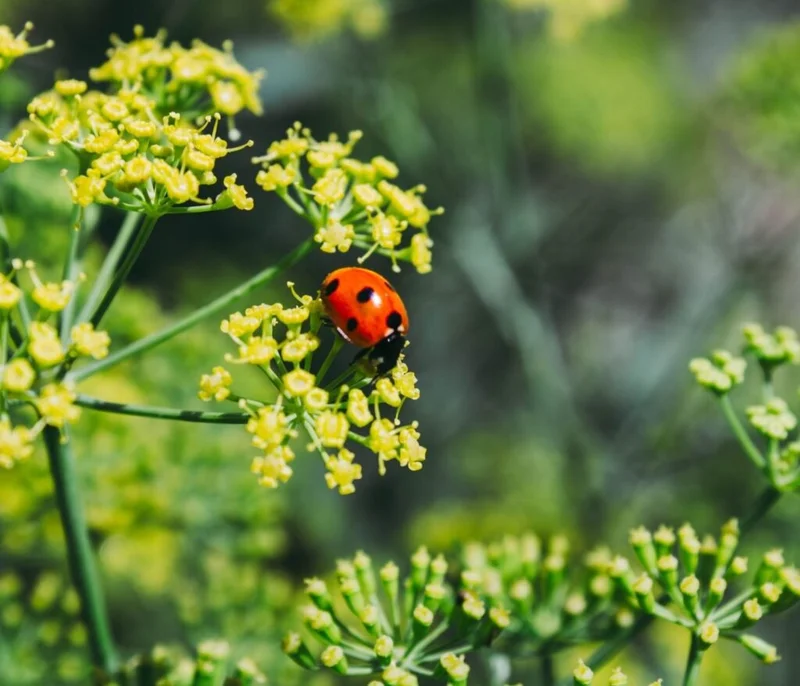
5. Dill – The Ladybug Magnet
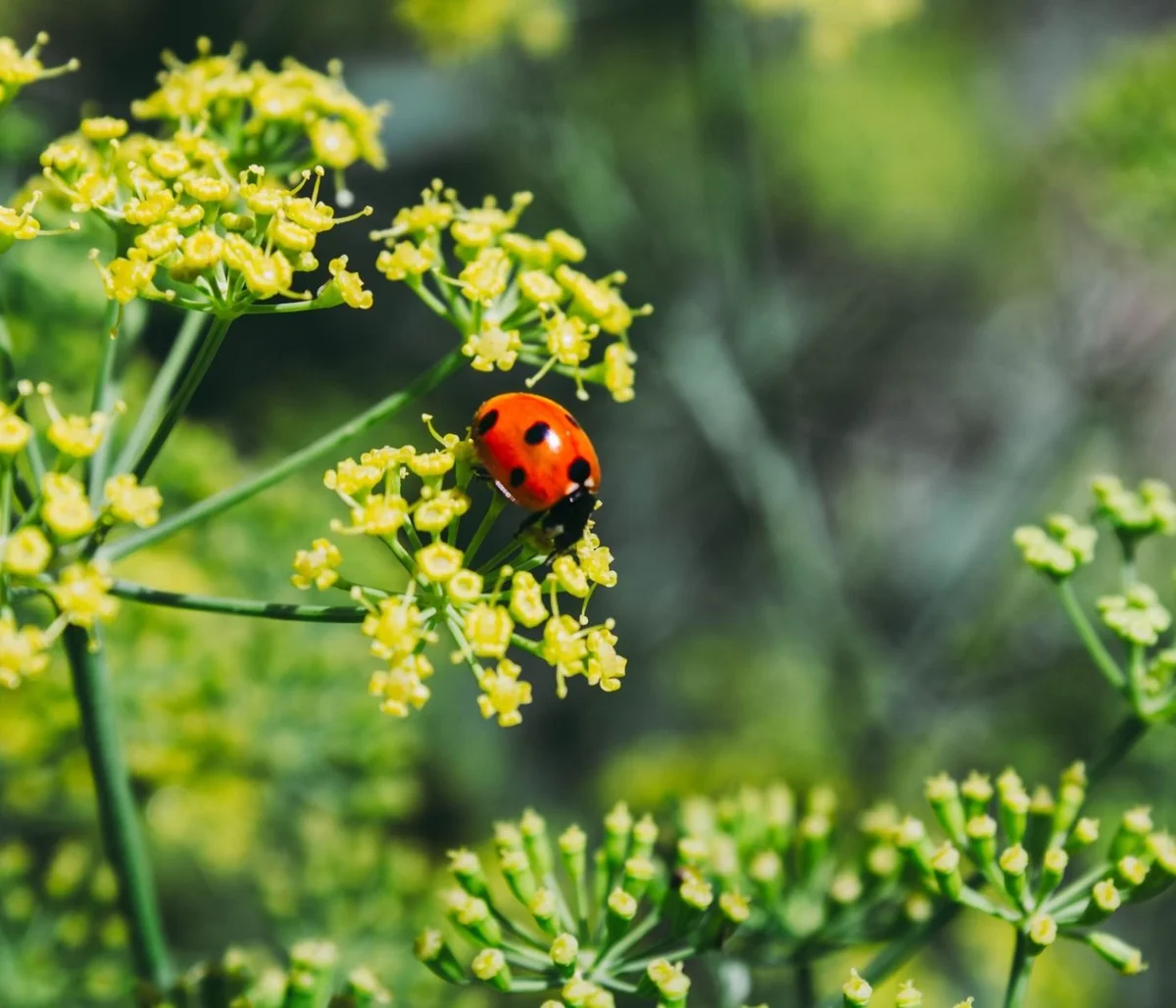
Dill attracts ladybugs and hoverflies, both of which feed on aphids. Sow it near cabbage, carrots, and cucumbers. Be cautious not to plant dill near fennel, as they can cross-pollinate. Additionally, dill flowers add a lovely aesthetic to your garden.
6. Calendula – The Root Protector
Calendula, or pot marigold, helps repel nematodes through its root system. It pairs well with tomatoes, beans, and lettuce. Its edible flowers can also brighten up salads. Sow it directly in the ground in the spring for a boost to your biodiversity.
7. Mint – The Repellent for Ants and Rodents
Mint has a strong aroma that deters ants and rodents. Plant it near cabbages and tomatoes, but be aware of its invasive nature. To prevent it from overtaking your garden, consider growing it in a buried pot. Varieties such as peppermint and spearmint are popular choices.
Summary Table of the 7 Companion Plants
| Plant | Target Pest | Winning Combinations | Difficulty | |----------------|-----------------------------------|--------------------------------------|------------| | Marigold | Nematodes, aphids, whiteflies | Tomatoes, potatoes, beans | Easy | | Nasturtium | Aphids (trap plant) | Squash, cabbage, radishes | Easy | | Basil | Whiteflies, mosquitoes | Tomatoes | Medium | | Lavender | Ants, aphids, flea beetles | Roses, fruit trees, salads | Easy | | Dill | Attracts ladybugs and hoverflies | Cabbage, carrots, cucumbers | Easy | | Calendula | Nematodes | Tomatoes, beans, peas, lettuce | Easy | | Mint | Ants, rodents | Cabbage, tomatoes, turnips | Medium (invasive) |
How to Properly Pair These Plants
To maximize the benefits of companion planting, follow these simple guidelines:
- Maintain a distance of 30 to 50 cm between companion plants and the crops you wish to protect.
- Avoid planting the same combinations each year; practice crop rotation.
- Sow companion plants alongside your vegetables or slightly ahead of them.
- Water according to their needs; for instance, lavender prefers drier conditions, while basil needs regular moisture.
Start small by selecting two or three companion plants and observe their interactions. Gardening is a journey of learning and adaptation!
Frequently Asked Questions about Companion Plants
Do companion plants really work?
Yes, but not with absolute certainty. According to a study by INRAE, marigolds can reduce nematode populations in the soil by up to 87%. However, it’s crucial to combine this method with other practices like mulching, crop rotation, and fostering beneficial insects. While it requires some observation, the results are often worth the effort.
How many companion plants per square meter?
Plan for 3 to 5 marigold plants per square meter or one lavender plant every 50 cm. For nasturtiums, one plant every 60 cm is sufficient. Adjust based on the size of the plants.
Can these plants be grown in pots on a balcony?
Absolutely! Basil, mint, and calendula thrive in pots. Ensure proper drainage and a sunny location. Even a small balcony can accommodate a mini-ecosystem.
Where can I buy these plants in France?
These plants are available at garden centers such as Botanic, Jardiland, and Truffaut, or from local nurseries. Online retailers like Promesse de Fleurs and Germifrance offer seeds starting at €2 per packet. For quicker results, consider purchasing potted plants.
Which plants should not be paired together?
Avoid planting dill near fennel, as they can cross-pollinate. Mint should not be planted near strawberries, as it can suffocate them. Additionally, marigolds should not be planted near beans, as they can inhibit their growth.
Gardening is a process of experimentation and observation. Embrace the journey and share your successful plant pairings in the comments!