11 Squash Varieties to Try in Your Garden This Year!
Explore 11 diverse varieties of squash to cultivate in your garden this year, featuring unique flavors and productive yields.
11 Squash Varieties to Try in Your Garden This Year!
by Jean-Baptiste | April 10, 2026
Gardening enthusiasts might not be aware that a unique digital magazine focused on permaculture is available, offering valuable insights for aspiring permaculture gardeners. This bimonthly publication features reports, interviews, seasonal tips, and thematic articles designed for anyone passionate about cultivating their own food while enhancing biodiversity in their gardens.
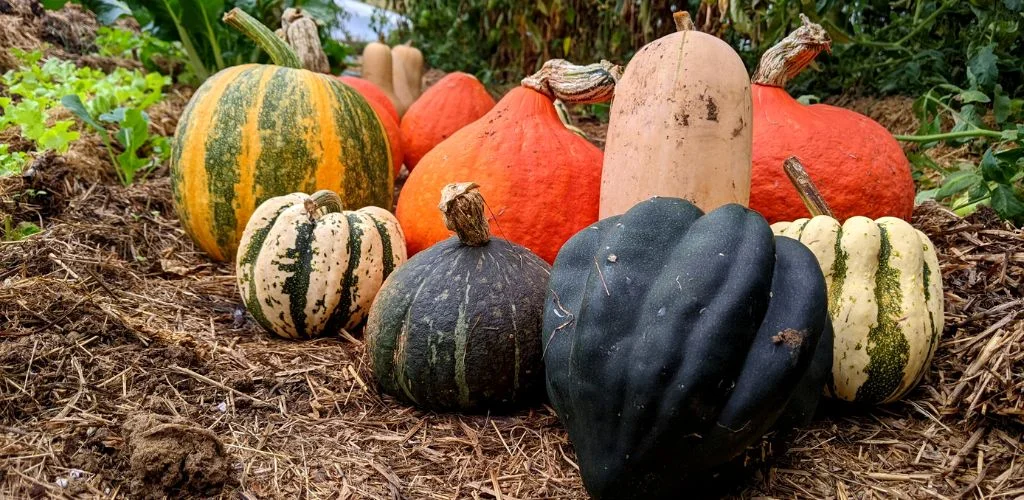
As the gardening season approaches, many are considering which varieties of squash to plant. Squash can be harvested in the fall, providing a warm and comforting addition to winter meals. From soups to gratins, the rich flavors of squash can elevate any dish. Here’s a selection of some of the most interesting squash varieties to grow this year.
Varieties to Try If You Haven't Already!
As the summer season unfolds, it’s time to think about which squash varieties will grace your garden. Here’s a curated list of squash types that are particularly noteworthy:
Blue Hungarian Squash
This variety is easily recognizable by its blue-gray skin. When cut open, it reveals a thick, orange-yellow flesh with a sweet and mild flavor. Weighing up to 8 kilograms, it can provide ample servings for family meals. The Blue Hungarian squash is perfect for pasta gratins, offering a creamy and delightful sauce. It can also be prepared as a crumble, soup, or puree.
Sucrine du Berry
A delightful squash that we grew last year, the Sucrine du Berry is known for its delicious taste and good yield. It’s definitely worth a try!
Potimarrons
This classic squash is a staple in many gardens, and for good reason! It is one of the most flavorful varieties available. Typically, potimarrons are recognized for their orange, teardrop-shaped fruits. Among the best varieties, the Red Kuri stands out with its chestnut flavor. Another great option is the Hokkaido, which features a green skin and dark orange flesh, offering a sweet taste reminiscent of chestnuts, although it’s less commonly found in stores due to its less appealing appearance.
Royal Acorn Squash
Our latest discovery, the Royal Acorn, is a small squash that typically weighs between one to two kilograms and turns a vibrant green as it ripens. Its pronounced chestnut flavor makes it a delightful choice, especially when stuffed, providing a hearty meal for two to four people, depending on its size.
Productive Varieties
Beyond their taste, squash plants are notably productive and easy to care for. From a tiny seed, one can harvest numerous kilograms of squash per plant. Some varieties are particularly distinguished by their size or the quantity of fruit they produce.
Musquée de Provence
This squash hails from the south of France and boasts an unparalleled flavor. With a green skin that turns orange as it ripens, its flesh is red, sweet, and slightly musky. On average, it weighs between 5 to 10 kilograms, yielding multiple fruits per plant. It’s perfect for family gatherings and retains its firmness during cooking, making it an excellent addition to couscous dishes.
Golias Squash
The Golias squash is part of the Atlantic giant variety, known for producing extremely large fruits averaging 30 kilograms, with some reaching up to 70 kilograms. While it offers quantity, its taste is less remarkable, resembling that of pumpkin. This squash is best suited for soups, but be prepared for a hefty meal when it’s time to cook!
Patidou Sweet Dumpling
Unlike the previous two varieties, the Patidou is not known for its weight but rather for its yield. Each fruit weighs around 500 grams, and you can harvest up to ten small squashes per plant, leading to many meals. This early variety features sweet, orange flesh with a distinctive nutty flavor, making it ideal for stuffing or even enjoyed raw in salads.
Varieties with Long Storage Life
Another advantage of squash is their ability to be stored for extended periods without processing. Under optimal conditions, these vegetables can provide nourishment throughout the winter without requiring time-consuming preparations.
Long of Nice
This heirloom variety is one of my favorites. It belongs to the Cucurbita moschata family and can be consumed before it fully matures. When harvested young, it resembles green zucchinis, but when mature, it turns orange and can grow up to a meter long, weighing up to 10 kilograms. Its sweet, musky flesh can be used in both sweet and savory dishes. This squash can be stored for six months in a dry, ventilated space, with some lasting up to a year!
Siam Squash
This variety, part of the Cucurbita ficifolia family, is one of the few cultivated in gardens. It’s known for its high yield, producing four to ten fruits per plant, each weighing between 1.5 to 4 kilograms. In terms of storage, it excels, capable of lasting up to two years under proper conditions. However, its taste is not particularly appealing, making it more of a novelty than a culinary delight.
Recently, Chantal, a reader, shared her thoughts on this productive squash: "The Siam squash is not meant for cooking!" Originally from southern Spain, it has been prepared in various ways by Andalusians, including in pies and jams, which are rare in France but reportedly delicious.
Butternut
A classic choice that remains effective in the garden, the butternut squash features sweet, orange-yellow flesh. Each plant can yield four to ten fruits, each weighing a few kilograms. Although it’s not the best for long-term storage, it can last through the beginning of winter in a dry, airy location, with some individuals managing to keep it until May or June.
A Variety for Seeds? Lady Godiva
For those who enjoy pumpkin seeds in salads and soups, the Lady Godiva squash offers a convenient solution. Unlike other varieties, its seeds are "naked," making them easy to harvest without the tedious task of peeling each one individually.