Winter Vegetables: Cultivating and Harvesting in the Cold Season
Discover the secrets of winter vegetables and learn which crops can thrive in cold weather, providing fresh harvests throughout the winter months.
As summer fades, the gardening scene shifts, revealing a unique opportunity to harvest and even plant vegetables during the winter months. Known as winter vegetables, these hardy crops can thrive in colder conditions, providing fresh produce despite the chill. Understanding which varieties are suited for winter cultivation is essential for gardeners looking to maximize their harvests during this season.
Resilient Winter Vegetables
To successfully navigate winter gardening, it’s crucial to identify vegetables that can withstand cold temperatures and frost. Several varieties stand out for their exceptional hardiness, allowing gardeners to enjoy fresh harvests even in the depths of winter.
Leafy Greens
Leafy vegetables are packed with essential vitamins, making them a nutritious choice for the colder months while being relatively easy to grow.
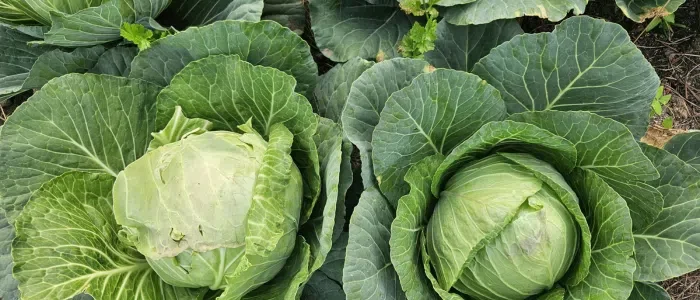
🥦 When considering winter crops, cabbages are often the first to come to mind. Varieties such as cauliflower, head cabbages, Brussels sprouts, curly kale, and broccoli are all well-suited to endure the cold. These plants require minimal maintenance and can remain in the ground throughout winter if necessary.
- Autumn and winter cauliflowers can be harvested from October to February.
- Head cabbages and Brussels sprouts are typically sown in spring or early summer, depending on the variety.
- Broccoli is usually sown in June or July and can be harvested as late as February.
To protect these crops, it’s advisable to mound soil around the base of the plants and apply mulch to shield the roots from extreme frost.
Leeks are another staple for the winter garden. Sown in late spring and transplanted in early summer, they can be harvested from December to April. While they require slightly more care, a simple layer of mulch can help ease their extraction from the soil and protect them from harsh temperatures.
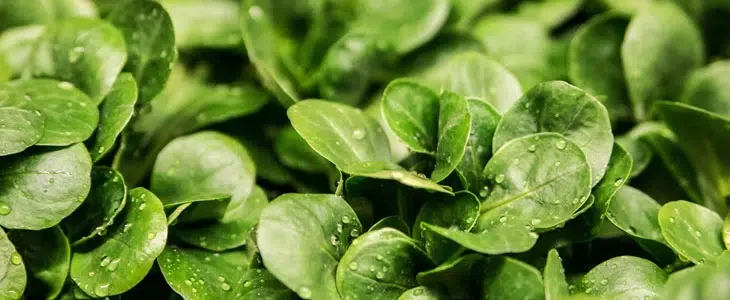
🥬 Winter salads and lamb's lettuce are among the easiest vegetables to cultivate. Sown in September or late summer, they can be harvested during winter. Certain varieties, like the "Butterhead" lettuce, are particularly resilient, even thriving through harsh winters. To safeguard young plants from nighttime frosts, using protective cloches or frost covers is recommended. Chicories, which can be sown in late summer or autumn, also add vibrant color to winter dishes.
Root Vegetables
Sown in late summer or early autumn, root vegetables can be harvested throughout winter and can even remain in the ground until spring. Key winter root vegetables include:
- 🥕 Carrots: Varieties such as Châtenay, Colmar, and early Nantes can stay in the ground all winter and be harvested in spring.
- Turnips and rutabagas: Sown in August, these should be harvested before the first frost to ensure they can be stored throughout the season.
- Winter radishes: Notably, black radishes can be harvested all winter long.
- Parsnips, Jerusalem artichokes, and horseradish: These can remain in the soil all winter, allowing for a gradual harvest.
- Beets: Certain varieties can stay in the ground for the entire season, harvested as needed.
- 🧅🧄 Bulbs and herbs: White onions and autumn garlic are also well-suited for cold conditions. Planted in autumn, they can remain in the ground throughout winter and be harvested in spring or early summer. In milder climates, some onion varieties can even be planted as early as January or February.
Protecting Winter Vegetables
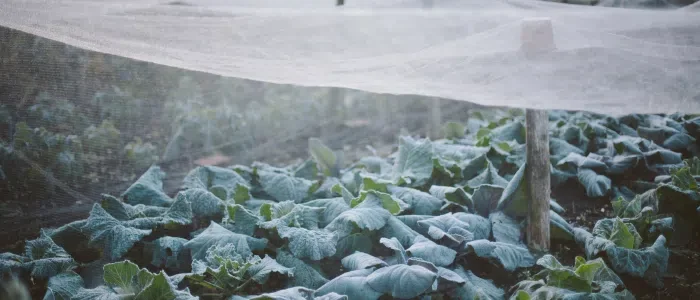
While many vegetables are naturally resilient to cold, providing additional protection can be beneficial during particularly harsh winters ❄️. Covering your crops with mulch, cardboard, or protective fabrics can help shield them. However, avoid materials that could suffocate the plants or impede air and water circulation.
Some varieties of carrots, beets, and leeks are low-maintenance and handle cold well. Others may require extra precautions or guidance from gardening experts to optimize both yield and preservation. Simple protective measures can ensure a steady supply of fresh and flavorful vegetables throughout the winter season. 👍🏼
Benefits of Winter Vegetables
During the winter months, the motivation to consume vegetables may wane, but the health benefits of winter crops are numerous. Incorporating these vegetables into your diet provides essential vitamins, minerals, and fiber, which are crucial for bolstering the immune system and maintaining energy levels during colder periods.
Among the vegetables to focus on, root vegetables stand out as particularly beneficial. Carrots, for instance, are excellent for skin health and combatting aging due to their high beta-carotene content. They can be enjoyed in various forms: raw in salads, grated, cooked, or juiced. Parsnips, salsify, and beets are also fantastic sources of energy to help you tackle winter.
Leafy greens, on the other hand, are rich in minerals and trace elements, each offering unique benefits. Endives, for example, are especially high in magnesium, an "anti-fatigue" mineral. Swiss chard provides calcium, essential for bone health. Regularly consuming these vegetables contributes to a well-rounded nutrient intake while allowing for colorful and delicious meals, even in the cold season.
💡 Did you know? 🥕🥬 Maintaining your vegetable garden may qualify for a tax credit. Consider hiring a professional from the Cooperative!