Why Your Bonsai is Shedding Leaves and How to Help
Discover the reasons behind leaf drop in bonsai trees and learn how to care for them effectively. This guide covers environmental factors, watering issues, and pest management.
Understanding Leaf Drop in Bonsai
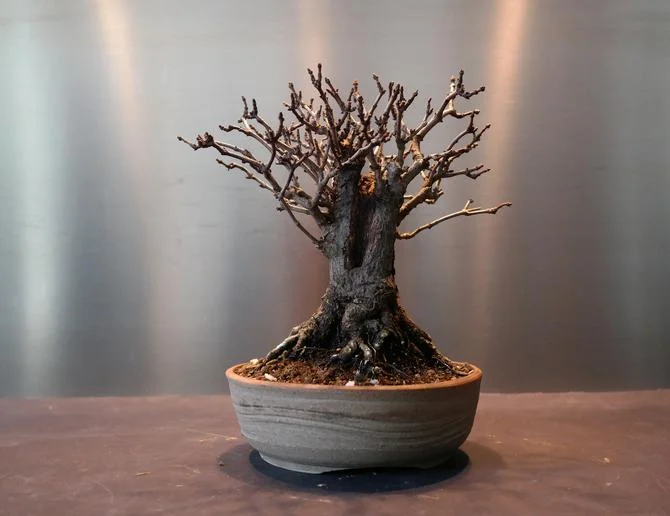
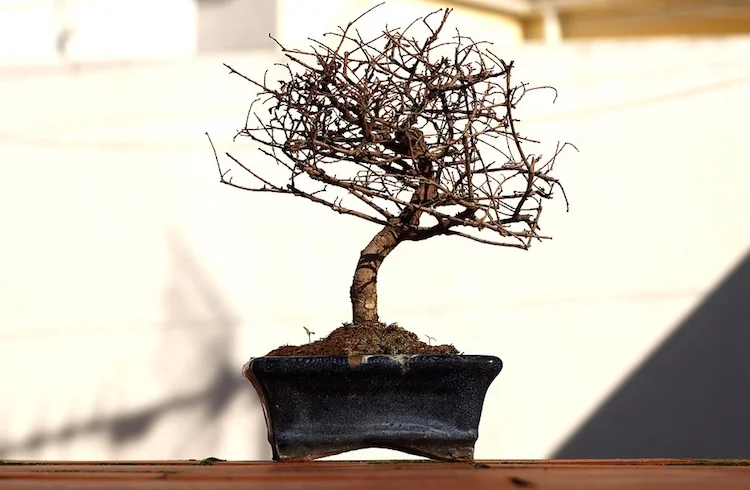
If your bonsai is losing its leaves, it can be concerning, especially if you are unsure of the cause. Except for deciduous species, leaf drop in bonsai often indicates a problem related to care. Factors such as inappropriate placement, insufficient light, or pest infestations can lead to this issue. It is essential to observe your bonsai carefully to identify the underlying symptoms.
Key Observations
To determine why your bonsai is shedding leaves, it’s important to assess the symptoms and pinpoint the cause of its distress. Avoid the instinct to immediately water or fertilize your bonsai without first understanding the reason for the leaf loss.
Potential Causes of Leaf Loss
Environmental Changes
A bonsai can experience stress due to sudden changes in its environment, which often results in leaf drop. These trees are sensitive to abrupt changes in temperature or light levels. If you have recently relocated your bonsai, this could be the cause of its leaf loss. You may notice that while leaves are dropping, new buds are forming. If placed in a bright area, your bonsai should start to grow new leaves within one to two weeks as it acclimates to its new surroundings.
- Placement Tips:
- Choose a sunny spot on your terrace or a well-lit area near a window for indoor cultivation.
- Keep it away from drafts, strong winds, and heat sources like radiators. If you ventilate your room in winter, move your bonsai temporarily.
- Ensure the temperature is suitable for its species.
Recent Purchase
If you have recently acquired your bonsai, it may be experiencing stress from its new environment. This can lead to partial or total leaf loss. Cease all fertilization and focus on proper watering while ensuring it is in an adequately lit environment. After a few weeks, you should see new buds and leaves emerging.
Substrate Issues
Many bonsais sold in stores are planted in very compact soil, which is ideal for transport but problematic for growth. This soil can harden as it dries, making it difficult to rehydrate. Growing a bonsai in such a substrate can be detrimental.
If you purchased your bonsai in spring, consider repotting it. Replace the entire substrate with a more suitable mix (e.g., Akadama, Pouzzolane, potting soil). If you bought your tree outside of the repotting season, consider transplanting it into a larger pot with a more draining substrate until the next spring.
Tip: While waiting for the right time to repot, you can use a two-step watering method (see our watering guide).
Watering Problems
Overwatering or excessive humidity is a common cause of leaf drop in bonsai, often indicated by blackened, soft leaves that eventually fall. This issue typically coincides with the death of buds and new shoots. Here are some checks to perform:
- Ensure the pot has one or more drainage holes. If not, change it immediately.
- Water should drain properly through these holes. If not, replace the soil with a more draining substrate.
- If your bonsai pot sits on a saucer, be sure to empty any standing water to prevent root damage.
- Space out your watering sessions to avoid keeping the root ball overly saturated.
- Avoid soaking your bonsai unless absolutely necessary, such as in emergencies.
Insufficient Light
Light exposure is crucial for successful bonsai cultivation. A lack of light can lead to total or partial leaf loss, often accompanied by elongated stems and larger leaves. This is particularly common in winter when bonsais are grown indoors.
To improve light conditions, place your bonsai near a well-lit window. In summer, if possible, move your bonsai outside onto a balcony or terrace.
Nutrient Deficiency
Bonsais are grown in a limited volume of soil, which may not provide sufficient nutrients. It is essential to fertilize with a suitable bonsai fertilizer. Leaf loss can also indicate a need for repotting, as the substrate may become depleted of trace elements over time.
Pests and Diseases
Your bonsai may be suffering from a pest infestation, which can lead to leaf drop. Before resorting to chemical treatments, carefully inspect the leaves, stems, soil, and trunk for symptoms. Pests can hide in various places.
Symptoms to watch for:
- Leaves that appear eaten or damaged.
- Leaves exhibiting orange spots.
- Leaves with white patches or spots.
- Black shells on branches.
- Insects visible on branches or in the pot.
Prevention Tips:
- Regularly inspect your bonsai’s branches and foliage to catch early signs of infection.
- If uncertain, consult a specialist who can identify the pest and recommend appropriate care.
Recognizing Symptoms
Seasonal Leaf Drop
If your bonsai is shedding leaves in autumn, it may be a natural process. Yellowing leaves that fall are typical for deciduous trees. This phenomenon can occur in bonsai such as maple, beech, or Chinese elm. As days shorten and light diminishes, the bonsai sheds its leaves. If cared for properly, it should leaf out again in spring.
Yellow or Black Leaves
Yellowing leaves often indicate issues with watering, placement, or light conditions, frequently followed by leaf drop. If your bonsai has blackened leaves, this usually signals overwatering or excessive humidity, often accompanied by the rotting of young buds.
Orange Spots on Leaves
Leaves with orange spots may indicate rust, a disease that often affects fruiting bonsais. To prevent further leaf loss, trim affected leaves.
Dry Leaf Tips
Burned or dry leaf tips can occur on Japanese maples from spring to autumn, often due to excessive wind, sunlight, or low humidity.
Twisted or Deformed Leaves
Twisted and deformed leaves are typically associated with black spots on the upper or edge of the foliage, indicating overwatering.
Conclusion
Understanding the reasons behind leaf loss in bonsai is crucial for maintaining their health. By observing your tree closely and addressing the potential causes, you can help ensure your bonsai thrives.