Understanding Yellow Leaves in Plants: Causes in Tomatoes and Orchids
Yellow leaves on plants often indicate a lack of essential nutrients or improper care. This article explores the causes of yellowing in tomatoes and orchids, offering solutions for gardeners.
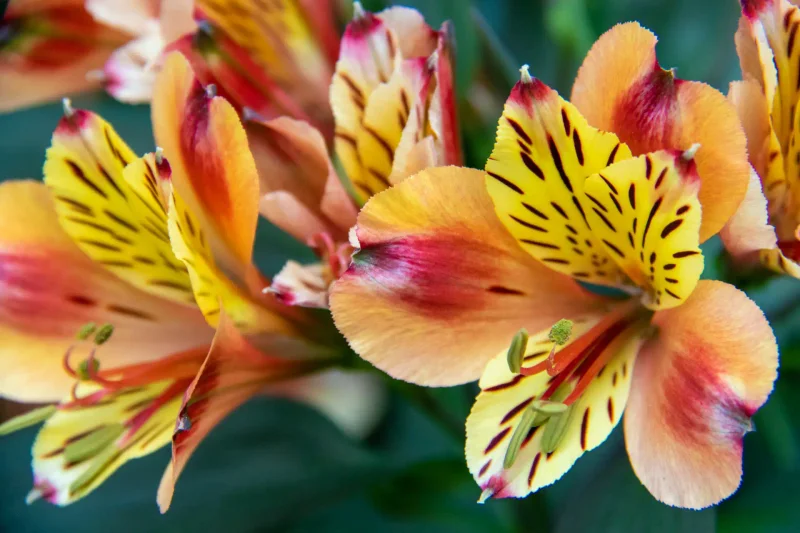
Yellowing leaves on plants can initially cause concern, but they often signal that the plant is lacking something essential. This phenomenon is applicable to both delicate houseplants and resilient garden tomatoes. In this article, we will explore the reasons behind yellow leaves, specifically focusing on tomatoes and orchids.
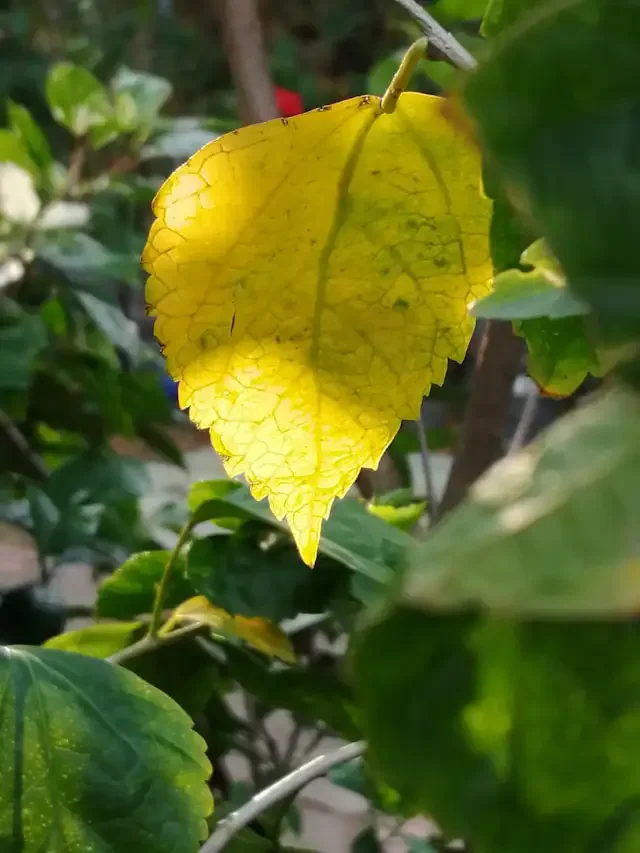
Why Do Plants Develop Yellow Leaves?
The appearance of yellow leaves is typically attributed to one of several key factors:
- Water fluctuations – either excessive or insufficient watering
- Nutrient deficiencies, particularly nitrogen, magnesium, or iron
- Improper location, such as too much shade, too much sun, or inadequate temperature
- Stress from repotting or root damage
- Pest infestations or fungal infections
Many of these issues can be addressed relatively easily. Understanding plant physiology can provide guidance: yellowing occurs when chlorophyll is broken down, indicating that the plant may be conserving energy or experiencing stress. For more information, check out our related articles.
Tomatoes with Yellow Leaves: Common Causes
When tomatoes show yellow leaves, it is essential to investigate further. The first question to ask is whether the yellowing occurs on the lower or upper parts of the plant.
1. Yellowing of Lower Leaves
This is quite common and usually not a cause for alarm. Possible reasons include:
- Natural aging of older leaves
- Insufficient light reaching the lower sections
- Nitrogen deficiency
- Irregular watering patterns
Tip: Consistent moisture is crucial for tomatoes. Our article on watering during vacations offers gentle methods to keep tomatoes well-hydrated.
2. Yellowing of Upper Young Leaves
This typically indicates:
- Iron deficiency (yellow leaves with green veins)
- Magnesium deficiency
- Hard water
- Root stress
Using an organic tomato fertilizer can often provide a quick remedy.
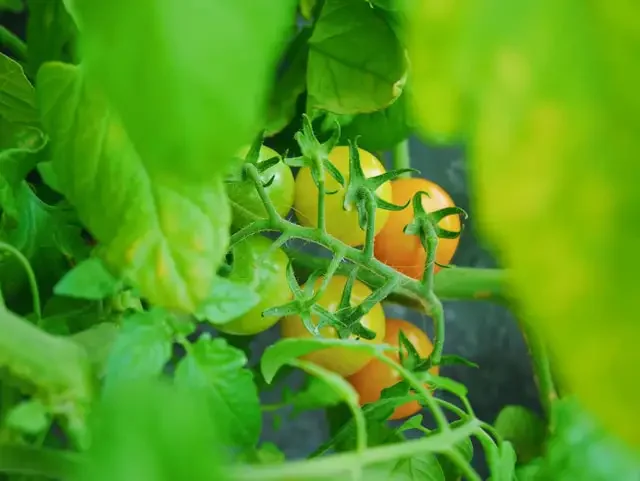
3. Yellow Leaves with Spots
In this case, a fungal issue might be involved (such as Septoria or blight). The recommended action is to remove affected leaves, ensure good air circulation around the tomatoes, and avoid watering the leaves directly.
Orchids with Yellow Leaves: What Does It Mean?
When an orchid develops a yellow leaf, it is frequently less concerning than it may appear.
1. Natural Aging
Orchids regularly shed older leaves, particularly those at the bottom. These leaves turn yellow, wilt, and eventually drop off, which is a normal process.
2. Overwatering
This is the most common cause for yellow leaves in orchids. Excess moisture can lead to root rot, resulting in yellowing.
Tip: Water orchids only when the roots appear silvery. A transparent orchid pot can help prevent waterlogging and allow you to monitor root moisture.
3. Lack of Light
Orchids require bright, indirect light. Yellow leaves may develop if the plant is placed in a location that is too dim.
4. Excessive Direct Sunlight
Particularly during the summer months, hot south-facing windows can cause sunburn, evident by yellow to brown spots on the leaves.
5. Pests
Pests such as mealybugs and spider mites can also cause yellowing. Natural neem oil can be effective against these infestations.
When Should You Take Action?
Intervention is necessary when:
- Yellowing spreads from young leaves
- Yellow spots or patterns appear
- Leaves become wilted and soft
- Visible pests are present
- Yellowing increases rapidly
Conversely, it is generally safe if:
- Only the lower, older leaves are yellowing
- The plant has recently been repotted
- The yellowing is seasonal (e.g., for container plants in winter)
Why are my plant's leaves yellow?
Most often due to nutrient deficiencies, incorrect watering, insufficient light, or natural leaf turnover.
What to do with yellow leaves on tomatoes?
Ensure consistent watering, check nutrient levels, remove old leaves, and provide good ventilation.
Why does my orchid have a yellow leaf?
Typically due to overwatering or natural aging. Lack of light or excessive sun exposure can also be contributing factors.
Should yellow leaves be removed?
Yes, if they are wilted or weakening the plant. For tomatoes, this can improve air circulation.