Understanding the May and June Beetles in Your Garden
Explore the characteristics, life cycles, and ecological roles of May and June beetles in your garden. Learn how to identify these buzzing insects and their impact on plants.
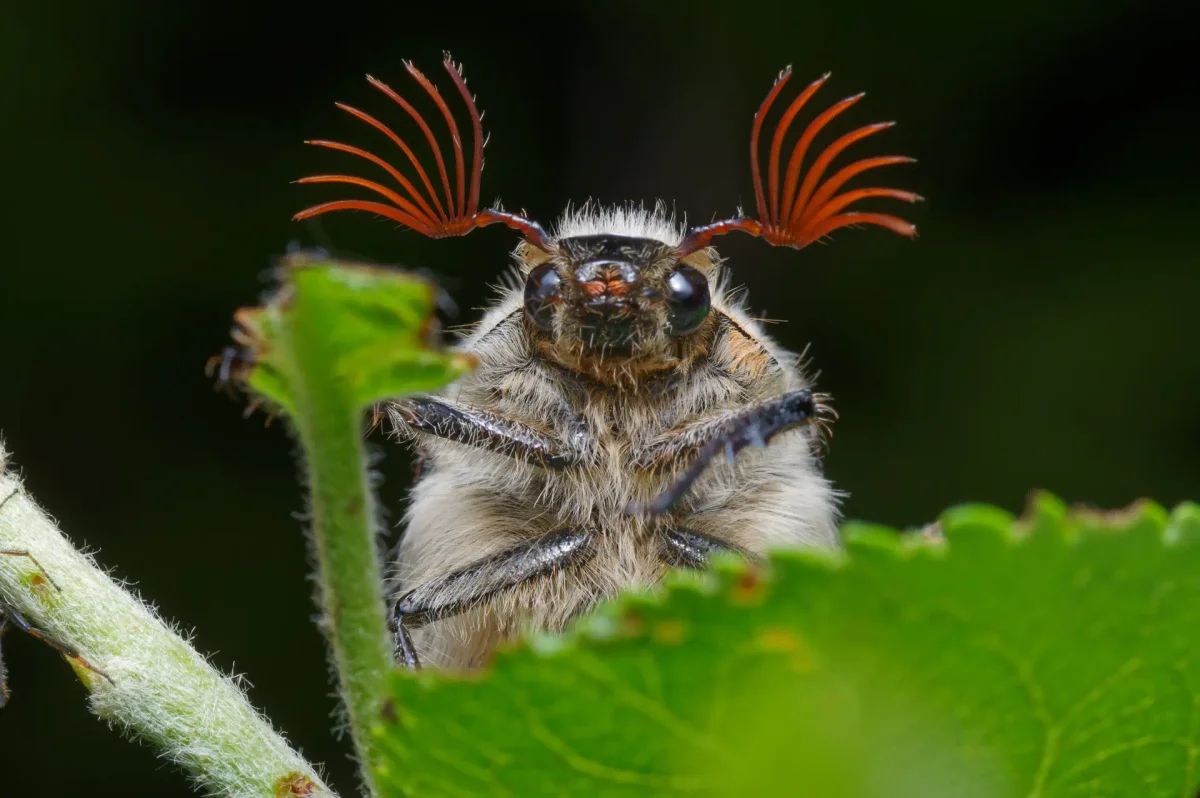
As you relax in your garden on a warm spring or summer evening, you might be startled by a loud buzzing sound nearby. If it’s not the neighbor's lawnmower, it could be a beetle making its rounds over the grass, patio, or flower bed. Depending on the season, you may be encountering either a May beetle or a June beetle. While both species share similarities, they can be distinguished with a closer look.
May Beetle: The Big Buzzing Beetle of Spring
May beetles are among the most recognized beetles in the region. Although they are active for only a few weeks in spring, their distinct characteristics make them easy to identify.
Appearance
- Size: 2.5 to 3 centimeters
- Body: Stout, robust, and heavy
- Coloration: Brown wing covers, dark brown to black head and thorax
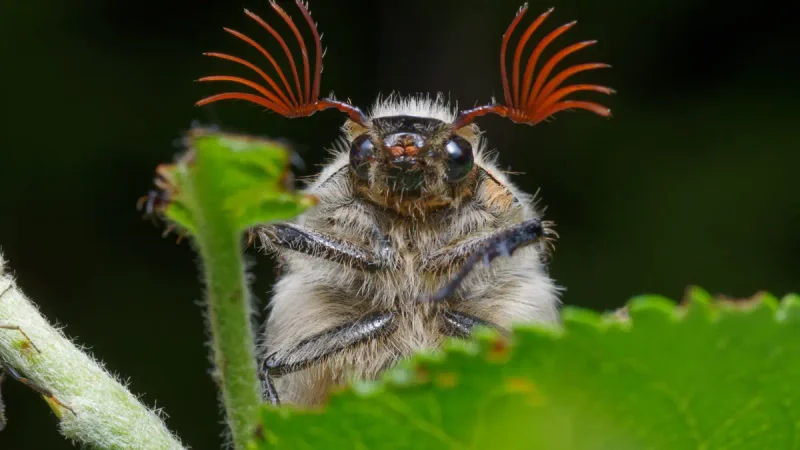
- Antennas: Notably fan-shaped, with males having seven and females six lamellae
- Markings: Whitish, zigzag patterns on the abdomen
The male May beetles are particularly noticeable due to their large, fan-like antennae, which resemble small fans attached to their heads.
Flight Period
- Timing: Late April to early June, depending on weather conditions
- Activity: Primarily active during twilight and evening hours
- Population: In certain years, they can appear in large numbers, referred to as May beetle years.
Life Cycle
- After mating, females lay eggs in loose, warm soil. The larvae, known as grubs, hatch and live underground for three to five years.
- These grubs feed on the roots of various plants, potentially causing significant damage when present in large numbers.
- After pupating in late summer or fall, adult beetles emerge, overwintering in the soil until spring, when they take to the skies.
Diet
Adult May beetles primarily consume the leaves of deciduous trees, including oaks, beeches, maples, chestnuts, and fruit trees. When large populations occur, they can strip trees bare. While healthy trees usually recover from a single defoliation, they may be weakened significantly.
June Beetle: Smaller, Lighter, and Active in Summer
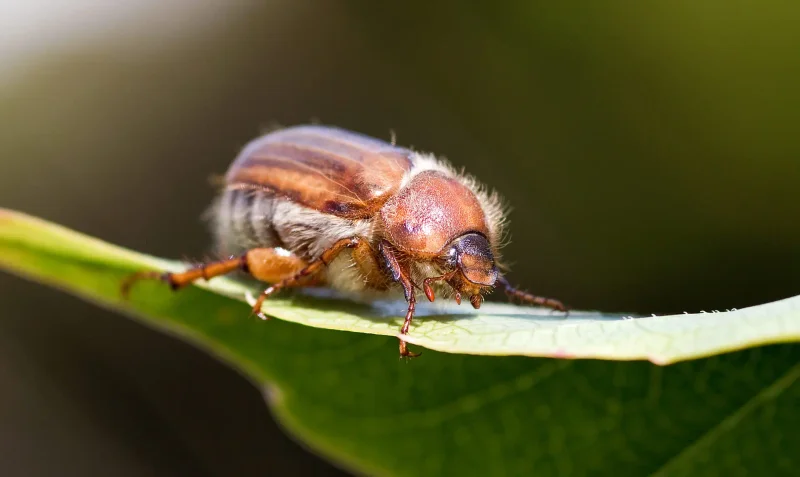
The June beetle is slightly smaller and less conspicuous than its May counterpart. However, it is often seen in larger groups during the summer.
Appearance
- Size: 1 to 1.8 centimeters
- Body: Stout and densely hairy
- Coloration: Light brown to yellow-brown
- Surface: Velvety texture
- Antennas: Also fan-shaped but shorter and less prominent
Flight Period
- Timing: Mid-June to mid-July
- Activity: Mostly active during dusk and at night
- Attraction: Frequently found near streetlights and other light sources.
Life Cycle
- Similar to May beetles, June beetles lay their eggs in the ground, and the larvae develop over two to three years.
- The larvae feed on the roots of grasses, herbs, and various cultivated plants, often causing damage to lawns.
- In spring, the grubs pupate, and the adult beetles emerge in the summer to seek mates.
Diet
Adult June beetles live for about two to four weeks and consume very little food. They may occasionally nibble on leaves or flowers but typically do not cause significant harm. The grubs, however, can severely damage grass roots, leading to brown patches on lawns.
Comparing May and June Beetles
If you're still unsure which beetle is buzzing through your garden, this comparison highlights the key differences:
| Feature | May Beetle | June Beetle | |------------------|--------------------------|-------------------------| | Size | 2.5 to 3 cm | 1 to 1.8 cm | | Body | Stout and robust | Stout and velvety | | Coloration | Brown wing covers, dark head, whitish abdomen markings | Light brown to yellow-brown, overall inconspicuous | | Antennas | Large and fan-shaped | Fan-shaped but shorter | | Flight Period | Late April to early June | Mid-June to mid-July | | Development | Grubs live three to five years underground | Grubs live two to three years underground | | Lifespan | Four to six weeks | Two to four weeks | | Diet | Eats leaves, can cause defoliation | Eats little, minimal damage as adults |
What’s Buzzing Through Your Garden?
The loud buzzing is just one of the noticeable traits of May and June beetles. Their flying style is also quite distinctive. These beetles rarely fly in a straight and graceful manner; instead, they tend to zigzag through the air, often changing direction abruptly or crashing into walls, windows, and even people. This erratic flight can be attributed to several factors:
- Both beetle species have relatively heavy, stout bodies with a hard shell, requiring significant effort from their flight muscles and wings.
- Their forewings are transformed into hard wing covers, known as elytra, which spread out during flight. The actual propulsion comes from the thin, membranous hind wings.
- This combination of a heavy body, wing covers, and comparatively small flight wings makes quick directional changes challenging.
- During twilight, the beetles have fewer visual cues for navigation.
- Males, in particular, exhibit frantic and irregular flight patterns as they search for females.
So, if you see a beetle zigzagging through your garden and then crashing against the patio door, it’s a normal occurrence for both species. This clumsy flight is typical.
Why Do Beetles Fly in the Evening?
You’ll rarely spot May and June beetles during the day. Their activity peaks in the evening for several reasons:
- Protection from Predators: Many insect-eating birds are active during the day. By flying at dusk, beetles reduce the risk of being spotted by starlings, crows, or jays. However, they’re not entirely safe at night, as bats are also predators. Their hard shell and erratic flight can make it harder for predators to catch them.
- Favorable Temperatures: The evening air is generally cooler and more humid, which is preferable for beetles. High heat and strong sunlight can lead to overheating and dehydration.
- Mating Rituals: The evening swarming flights primarily serve reproductive purposes. Beetles actively seek suitable partners, guided in part by scent cues. Males often fly erratically, responding to stimuli in their surroundings.
- Reduced Energy Expenditure: In cooler evening air, beetles expend less energy compared to flying in the heat of the day. This is particularly beneficial for the heavier May beetle.
Their Role in the Garden
While May and June beetles can cause damage, they are not merely pests devoid of value in the garden. Both species are part of the local fauna and play significant roles in the ecosystem.
Food Source
- These beetles serve as food for various animals, including starlings, crows, jays, bats, hedgehogs, foxes, and amphibians.
- The grubs found in the soil are also a delicacy for wild boars, badgers, birds, and other insectivores.
Potential Damage
- Adult May beetles can cause considerable damage to deciduous trees during mass occurrences. Their grubs attack plant roots, weakening young trees or large plant populations.
- Adult June beetles are generally harmless, but their grubs can lead to significant damage. They preferentially feed on grass and herb roots, creating brown patches on lawns that can sometimes lift from the ground.
Natural Balance
- Even though May and June beetles can cause damage in large numbers, both species contribute to biodiversity.
- Their populations are regulated by predators, diseases, parasitic fungi, nematodes, and weather conditions. Mass occurrences of May beetles, once common, have become rare due to changes in agriculture and targeted control measures.
As you observe a hefty beetle buzzing through your garden in the evening, take a moment to identify it. If it’s large, dark, and has prominent fan-like antennae, it’s likely a May beetle. If it’s smaller, lighter, and velvety, you’re probably looking at a June beetle. And if it flies straight at you, you’ll have plenty of time to identify it—these beetles typically don’t take off quickly!