Understanding the Ice Saints: Dates, Risks, and Gardening Tips
Explore the significance of the Ice Saints in gardening, including traditional dates, regional variations, and modern planting advice for frost-sensitive crops.
Understanding the Ice Saints: Dates, Risks, and Gardening Tips
by Jean-Baptiste | May 11, 2026
The Ice Saints, celebrated on May 11, 12, and 13, are traditionally viewed as the harbingers of the end of frost in gardening. However, is it necessary to wait for this period to plant summer crops like tomatoes and zucchinis? The answer is more nuanced, taking into account both tradition and modern climatic observations.
Why Do We Talk About the Ice Saints?
The concept of the Ice Saints stems from medieval European beliefs, marking the time when the last frost of the year is expected. This period historically signaled the green light for planting summer crops. While tomatoes and zucchinis were not common in those times, farmers were particularly concerned about their vines and fruit trees. The Ice Saints commemorate Saint Mamert, Saint Pancrace, and Saint Servais, celebrated on May 11, 12, and 13 each year.
Traditionally, these dates were associated with the last frost risks of the season. After these dates, it was believed that the cold was no longer a threat.
For sensitive vegetables like tomatoes and zucchinis, premature planting can hinder growth for several weeks.
Are the Ice Saints Still Reliable Today?
Should gardeners rely on these traditions? The answer is complex. Weather patterns can vary significantly year to year; some years may experience late frosts in March, while others might still see frost in mid-May. Factors such as location, annual weather conditions, and specific microclimates all influence the best planting times for frost-sensitive crops.
Regional Variations of the Ice Saints
The climate in France varies greatly from north to south, making it difficult to apply a single belief across the entire country. Historically, the Ice Saints have adapted based on regional climates. For instance, in Germany and Moselle, the period extends beyond May 13 with the addition of Saint Sophie on May 15, marking the end of frost risks. In Brittany, Saint Yves, celebrated on May 19, is considered the final cold vector of the season, with local sayings warning of his potential for frost. Other dates, such as Saint Bernardin on May 20 and Saint Urbain on May 25, are also recognized in colder regions like the Ardennes and Normandy.
In southern France, where the climate is milder, the focus shifts to the Saints Chevaliers or Cavalier Saints. Here, the last frosts typically occur in April, leading to references to other weather saints, such as Saint Georges (April 23) and Saint Marc (April 25).
In the 1960s, modernization efforts altered the calendar of saints, now recognizing Saint Estelle, Achille, and Rolande on May 11, 12, and 13.
Adapting to Your Climate
It’s crucial to remember that the timing of the last frosts in France varies by region. Here’s a guide based on location:
- South: Early planting is possible.
- Central: Caution is advised until mid-May; monitoring the weather is essential but planting is feasible.
- North/Altitude: Patience is typically required, and planting should wait for the Ice Saints.
A Shift in the Calendar
The Ice Saints tradition dates back to the early Middle Ages, predating the Julian calendar reform of 1582. The transition to the Gregorian calendar removed ten days, which means the historical period for the Ice Saints no longer aligns with current celebrations. Previously, the Ice Saints were celebrated between May 21 and 25, but climate changes have since shifted this timing.
A Religious Explanation for the Ice Saints
When these beliefs originated, life was heavily influenced by religion. The calendar was not only religious but also served as a framework for understanding natural events. The Ice Saints provided farmers and vintners with a reference point, as a late frost could devastate crops, especially vines, which were crucial for wine production at the time when potable water was scarce. This belief system emerged in a religious context, lacking scientific foundation until later attempts to understand the correlation between the Ice Saints and frost risks.
Why Does It Still Get Cold During the Ice Saints?
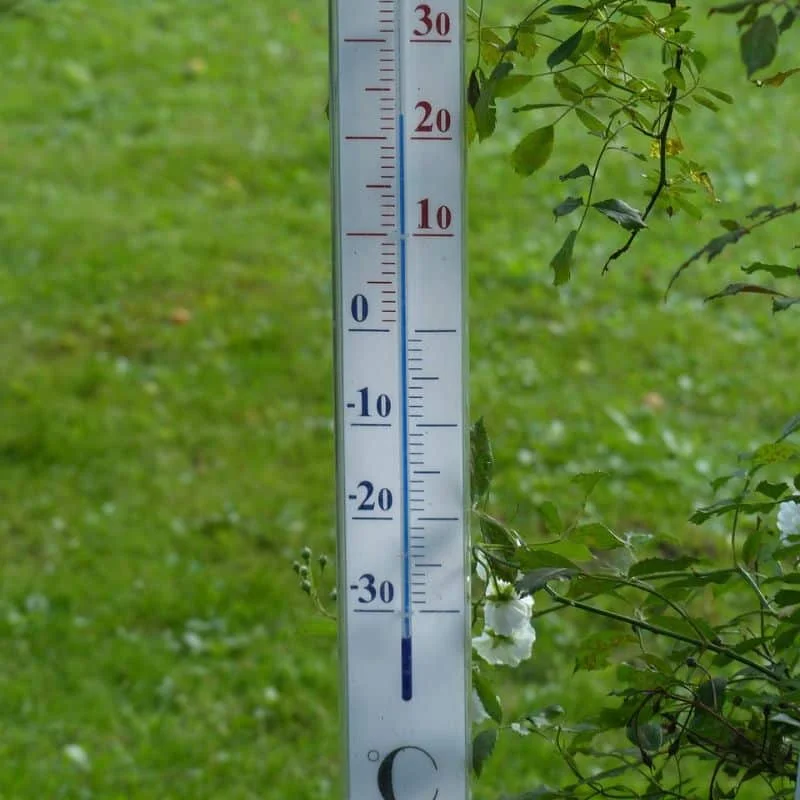
Statistically, the last frosts often occur before the Ice Saints. However, researchers have sought explanations for the frequent cold snaps in mid-May, which don’t necessarily involve frost. At this time of year, shifts in Atlantic currents can lead to cold air from the north descending over the country, causing temperature drops, especially at night when skies clear.
These cold spells often coincide with a phenomenon known as the red moon, characterized by clear skies. Consequently, while daytime temperatures may be warm, nighttime can still feel chilly, which is typical for the season. Météo-France has noted that few frost occurrences have been recorded since 2006 during the Ice Saints period.
What Does Météo-France Say About the Ice Saints?
According to France's national weather observatory, early May is marked by significant weather changes, with temperatures swinging from nearly summer-like to wintry, particularly at night under clear skies. An analysis of the past 20 years shows that minimal temperatures during the Ice Saints vary widely from year to year, with some frost recorded even after these dates in certain regions.
If you are growing in a greenhouse or a frost-free location, you can begin your plantings a few weeks earlier. If late frosts do occur, they rarely drop significantly below zero. If temperatures fall below 8°C, consider covering your plants with frost protection fabric at night to help retain warmth. Remember to remove the covers the following morning, as temperatures rise quickly in spring under shelter.
Should You Wait for the Ice Saints to Plant?
The tradition of waiting for the Ice Saints before planting is widely shared, but it warrants reconsideration. Historically, these dates indicated a time when late frosts could still happen. Today, with climate changes and diverse local conditions, they serve as a useful reference, but certainly not a strict rule. Each gardener should assess their local climate and conditions to determine the best time for planting.