Understanding Seed Germination Failures: Causes and Solutions
Discover the common causes of seed germination failures and effective solutions to ensure successful planting. Learn about optimal conditions for seed growth.
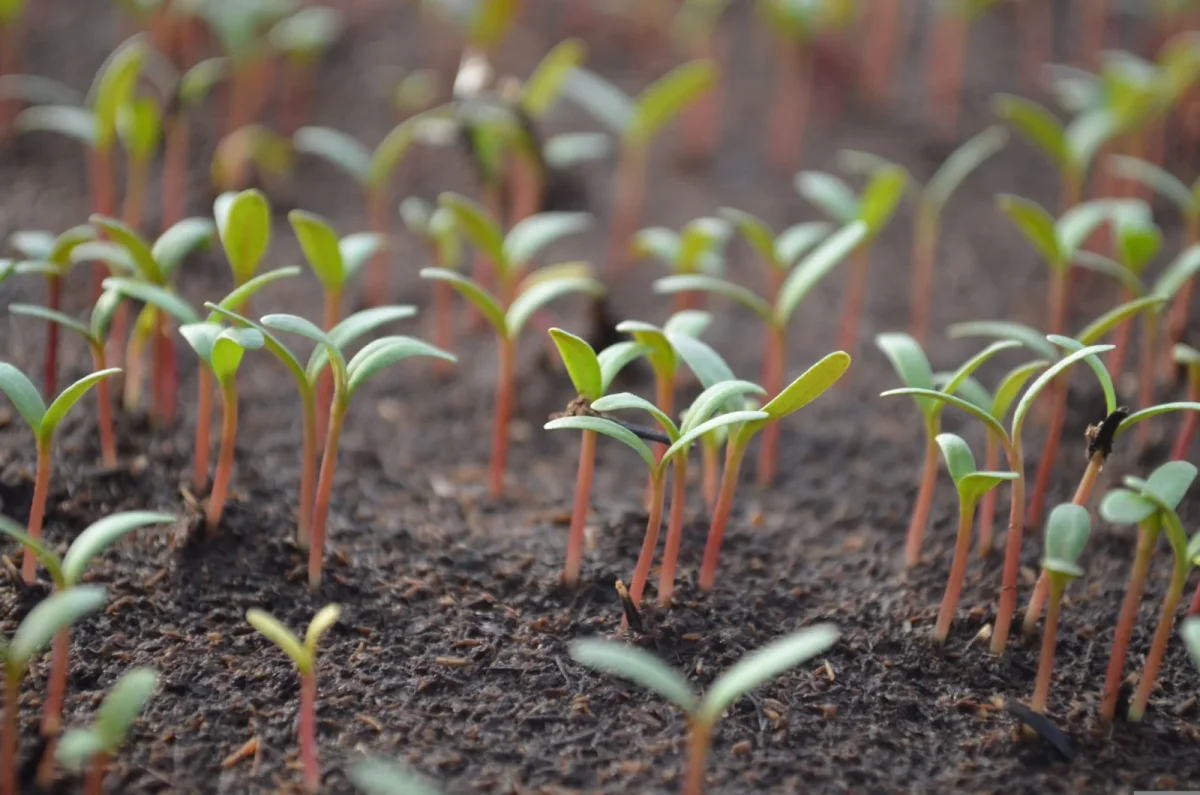
Have you carefully sown your seeds only to find that nothing has emerged after several days or even weeks? This frustrating issue is common, particularly among novice gardeners.
In most cases, a lack of germination is not attributed to a single mistake but rather an imbalance in the growing conditions, including moisture, temperature, depth, or soil quality.
Assessing Germination Time
It's essential to remember that a seed may appear inactive while it is actually in the process of germination. Each plant species has its own germination timeline, which can sometimes be quite slow.
| Plant Type | Average Germination Time | |------------|-------------------------| | Lettuce | 3 to 7 days | | Tomato | 5 to 10 days | | Pepper | 10 to 20 days | | Parsley | 15 to 30 days |
Thus, it is vital to be patient and allow sufficient time before concluding that the sowing has failed.
Common Reasons for Seed Germination Failures
Incorrect Sowing Depth
The depth at which seeds are planted directly affects their ability to sprout. If a seed is buried too deeply, it may struggle to reach the surface, hindering its emergence. Conversely, seeds sown too close to the surface may dry out before they can germinate. This imbalance is often seen among beginners, particularly with fine seeds.
Poor Water Management
Moisture is crucial for triggering germination. However, both overwatering and underwatering can be detrimental. An overly saturated substrate can limit oxygen flow and lead to seed rot, while a substrate that is too dry can halt the germination process altogether. The goal is to maintain a consistent level of moisture without oversaturation.
Insufficient Temperature
Heat serves as a catalyst for germination. When temperatures fall below a certain threshold, seeds may remain dormant. Most seeds require a temperature range of 18 to 24°C for optimal germination. Below this range, sprouting can be significantly delayed or may not occur at all. This issue is particularly prevalent at the beginning of the season or in unheated spaces.
Inappropriate Soil Mix
The choice of soil is often underestimated. A substrate that is too compact can restrict air circulation and hinder root development. On the other hand, soil that is too poor or poorly structured may not retain sufficient moisture. A specialized seed-starting mix that is light and well-draining provides the best initial conditions.
Poor-Quality Seeds
Not all seeds are created equal. Over time, their germination potential can diminish, particularly if they have not been stored properly. Old seeds that have been exposed to moisture or heat may fail to germinate, even under ideal conditions.
Reviving Seeds That Aren't Germinating
If there is no sign of sprouting after several days, consider adjusting certain parameters before starting over completely. First, check the moisture level of the substrate and modify your watering practices as needed. A slight increase in temperature may also help expedite the process.
If the soil appears too compact, lightly aerating the surface can be beneficial. Additionally, relocating the seeds to a brighter area may enhance overall conditions. If these adjustments yield no improvement, it may be best to restart with corrected practices.
Preventing Future Issues
Successful seed germination relies on consistency and adherence to fundamental principles. It is crucial to sow at the right time, use suitable soil, and maintain stable conditions. Special attention should be given to watering and temperature, as these are the two most critical factors. Finally, using high-quality seeds and following specific guidelines for each variety can significantly enhance success rates.
A seed that fails to germinate is rarely a coincidence. It usually indicates an imbalance in the growing conditions, which is often easy to rectify once identified. By understanding the primary causes and adjusting your practices accordingly, you can improve your results and achieve reliable success with your seed sowing efforts.