Understanding House Cracks: When to Consult a Building Expert
Explore the importance of consulting a building expert for house cracks, identifying risks, repair techniques, and estimating costs to protect your property.
Understanding House Cracks: When to Consult a Building Expert
August 7, 2026
The appearance of cracks in a home can often lead to concern among homeowners, prompting many to wait in hopes that the issue will resolve itself. However, a prompt consultation with a crack expert can help prevent misjudgments and protect the property’s value. In regions like Normandy, knowledge of soil types, foundation conditions, and building materials directly informs the technical recommendations provided. This article outlines the importance of crack expertise and how it can guide repair decisions.
When Should You Be Concerned About Cracks?
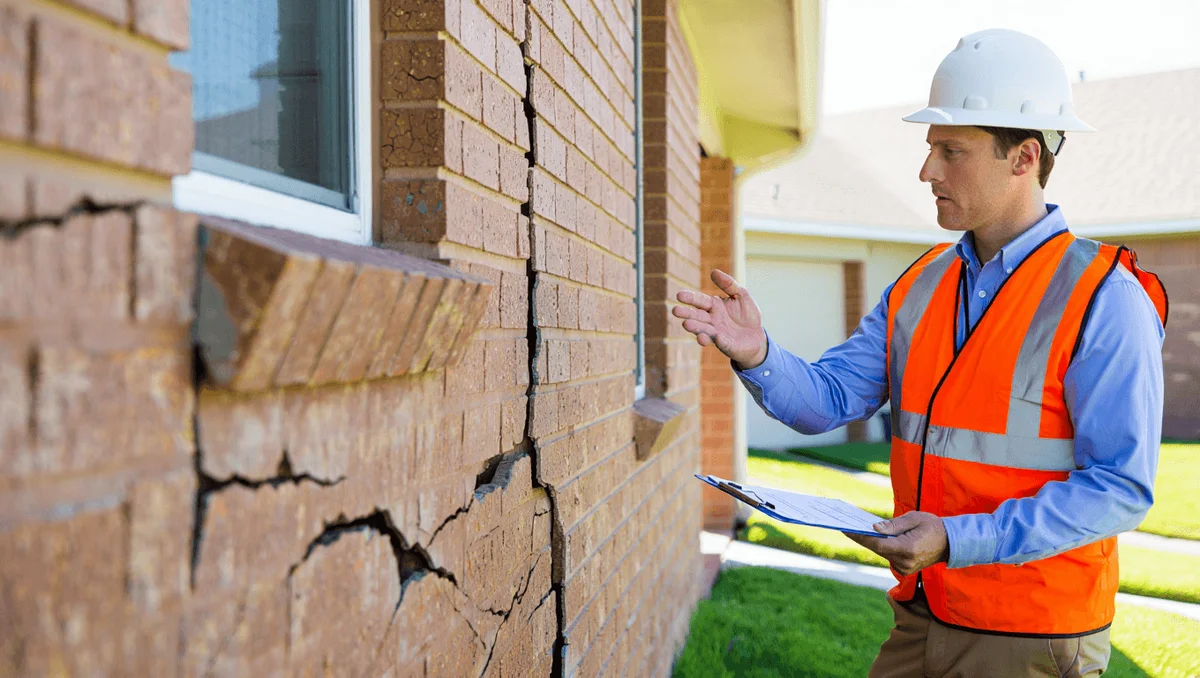
Most facades will inevitably show superficial cracks over time, often due to the aging of plaster. These micro-cracks are typically cosmetic and do not compromise the structural integrity of the building. However, the presence of significant cracks, stair-step patterns, or horizontal openings near floors warrants increased vigilance.
In Normandy, clay soils can expose foundations to shrink-swell phenomena, particularly after repeated dry spells. If cracks are rapidly expanding or if window and door frames become misaligned, it’s advisable to consult a specialist. The building expert can determine whether the issue is merely aesthetic or indicative of a structural risk.
It is also essential to consider the context in which the home is used and its occupants. For residences housing vulnerable individuals, caution is paramount, even with moderate cracks. In the context of a sale, documented cracks can influence negotiations and disclosure obligations.
How Does the Expert Identify the Source of Cracks?
A professional diagnosis begins with a thorough inspection of the structure, including foundations, load-bearing walls, slabs, and roofs. The expert examines the materials, measures the width of the cracks, and notes their direction and progression over time. This observation is complemented by an analysis of the geotechnical environment to pinpoint the cause.
Utilizing specialized tools enhances the accuracy of the diagnosis. Fissure meters can track the widening of cracks, while soil studies provide insights into the clayey or unstable nature of the ground. This method prevents hasty interpretations and directs attention to relevant technical solutions.
The expert's report summarizes the findings and suggests intervention scenarios ranked by urgency. Homeowners receive clear recommendations for repairs and estimated costs for the necessary work. This document serves as a valuable decision-making tool for both property owners and construction professionals.
What Are the Risks to Structure and Safety?
While some cracks may not immediately affect stability, others can signify significant structural tensions. Stair-step cracks in masonry walls or fractures at the foundation level may indicate localized settling of the structure. If left unaddressed, these issues could lead to a gradual weakening of load-bearing elements.
A swift diagnosis can help limit the spread of damage and safeguard the safety of occupants. The expert assesses the level of danger and plans suitable interventions, ranging from superficial repairs to more extensive underpinning work. Timely action can often prevent much higher costs in the long run.
What Repair and Reinforcement Techniques Are Available?
The solutions available depend on the identified cause and severity of the cracks. For ground movement related to clay, injecting expansive resin can stabilize the soil beneath the foundations. In cases of severe instability, underpinning with micropiles or drilled piles anchors the structure to deeper, more stable layers.
Restoring masonry often involves combined repair techniques. Reinforcement through re-meshing, the installation of metal ties, or the addition of carbon fibers can restore the strength of load-bearing walls. If the roof structure shows deformation, bracing operations or the addition of steel profiles can enhance the rigidity of wooden elements.
- Injection of resin: stabilizes soil and lifts foundations.
- Micropiles: anchors foundations in stable deep layers.
- Re-meshing and ties: restores structural continuity of walls.
- Roof reinforcements: corrects deformations and redistributes loads.
| Problem Observed | Common Intervention | Urgency | |------------------|--------------------|---------| | Micro-cracks in plaster | Superficial repair and aesthetic treatment | Low | | Through cracks in masonry | Re-meshing, ties, or reinforcement fibers | Medium to High | | Settling related to clay | Resin injection or micropiles | High |
How to Estimate Repair Costs and Protect a Real Estate Transaction?
Accurate cost estimation requires technical expertise and knowledge of industry pricing. The expert assesses the structural condition of the building, details the necessary operations, and provides a realistic budget estimate. This documentation facilitates the comparison of contractor quotes and helps identify abnormally low or high proposals.
During a sale, the expert report serves as a valuable asset to secure negotiations between the seller and buyer. It clarifies the nature of the issues and proposes costed solutions, thereby reducing the risk of future disputes. To protect your investment, rely on a rigorous and documented assessment conducted by a recognized professional.