Understanding and Preventing Leggy Seedlings in Your Garden
Learn why your seedlings become long and fragile, known as "legging," and discover effective strategies to prevent and correct this common issue in gardening.
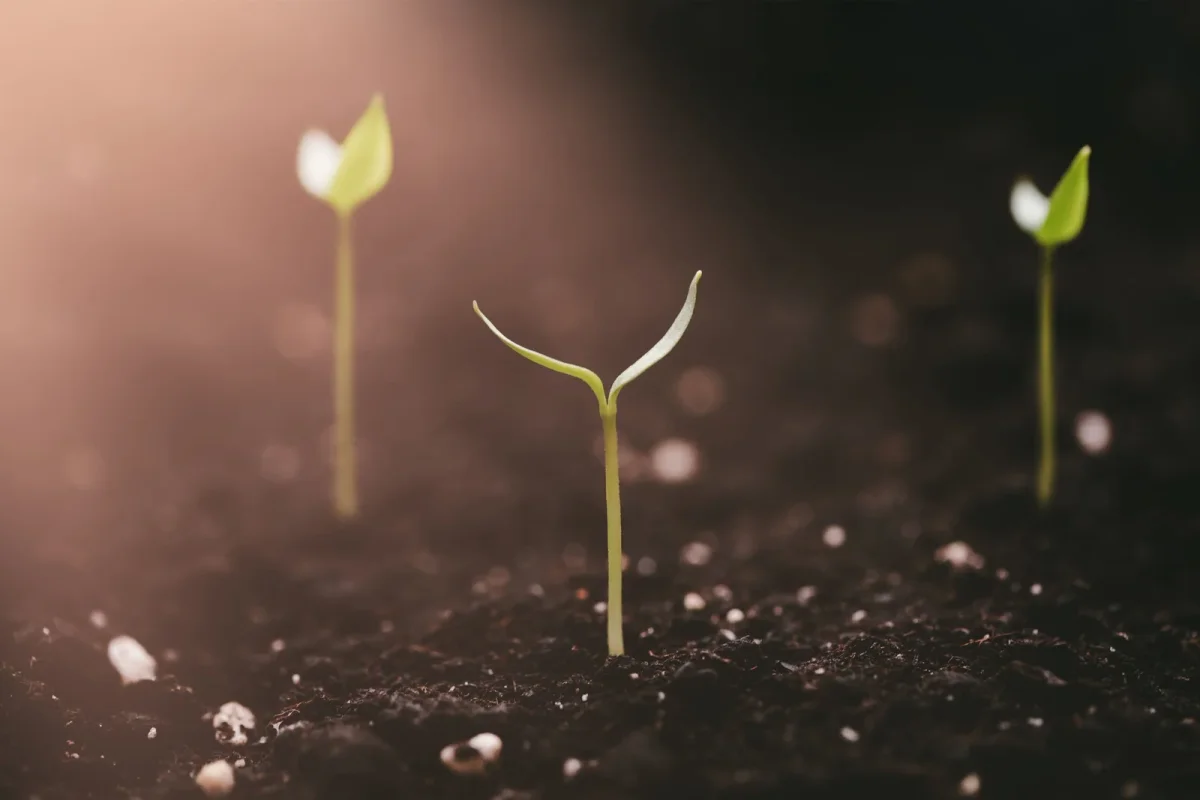
When your seedlings sprout but quickly become tall, thin, and fragile, you are witnessing a common issue known as "legging". This phenomenon is particularly prevalent among seedlings started indoors.
Leggy seedlings are characterized by excessively long and thin stems, which often lean towards a light source. This stretching is a natural response as the plant seeks more light, but it ultimately results in an unstable and weak plant.
What Causes Leggy Seedlings?
Insufficient Light
The primary cause of legging is inadequate light. When seedlings do not receive enough brightness, they elongate in an attempt to reach a light source. This issue is especially common indoors during late winter or early spring when natural light is limited.
High Temperatures
Excessive warmth can accelerate seedling growth. If this rapid growth is not matched by adequate light, the seedlings will stretch too much. A frequent mistake is placing seedlings in a too-warm environment without adjusting other growing conditions.
Overcrowded Seedlings
Sowing seeds too closely together leads to competition for light among the young plants. This rivalry forces the seedlings to stretch quickly, promoting legging and weakening the entire batch.
Lack of Air Circulation
A confined space with poor air movement can exacerbate the legging issue. Without airflow, the stems do not strengthen as they should.
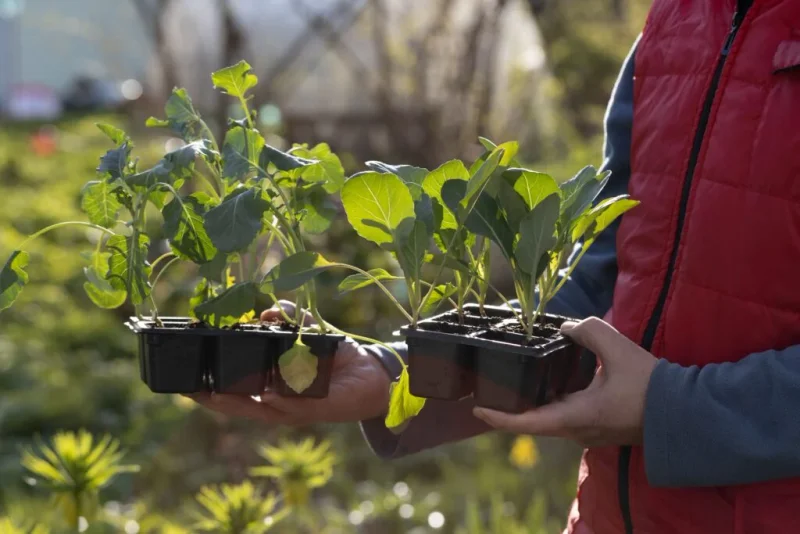
How to Fix Leggy Seedlings
If caught early, it is possible to mitigate the damage and strengthen the plants. First, increasing light exposure is crucial. Seedlings should be positioned as close as possible to a bright light source, ideally a well-lit window. If natural light is insufficient, artificial lighting may be necessary.
Lowering the ambient temperature slightly can also help slow growth. A more moderate temperature allows plants to develop more evenly.
If seedlings are too crowded, thinning them out may be necessary to reduce competition. Additionally, ensuring a slight airflow, whether natural or artificial, can help strengthen stems and improve plant resilience.
Can You Save Leggy Seedlings?
In some instances, it is possible to recover weakened seedlings. For certain plants, like tomatoes, you can bury part of the stem during transplanting. This method encourages new root development, thereby reinforcing the plant.
However, if the seedlings are too fragile or have already fallen over, it may be more effective to start anew under better conditions.
Preventing legging is generally easier than correcting it. Here are some best practices to avoid most cases:
- Position seedlings in a very bright environment from the moment they sprout.
- Avoid excessively high temperatures.
- Space seedlings adequately.
- Ensure light air circulation.
- Adjust growing conditions from the first days.
Focusing on light alone can significantly reduce the risks of legging.
Leggy seedlings typically indicate an imbalance between light and temperature. While this issue is common, it can be quickly addressed by implementing the right measures. By adjusting growing conditions and anticipating the needs of young plants, you can cultivate compact, robust seedlings ready for transplanting under optimal conditions.