Transforming Windowless Bathrooms: Three Plants to Combat Humidity and Mold
Explore effective plants that absorb moisture and prevent mold in windowless bathrooms. Enhance your space's air quality with these natural solutions.
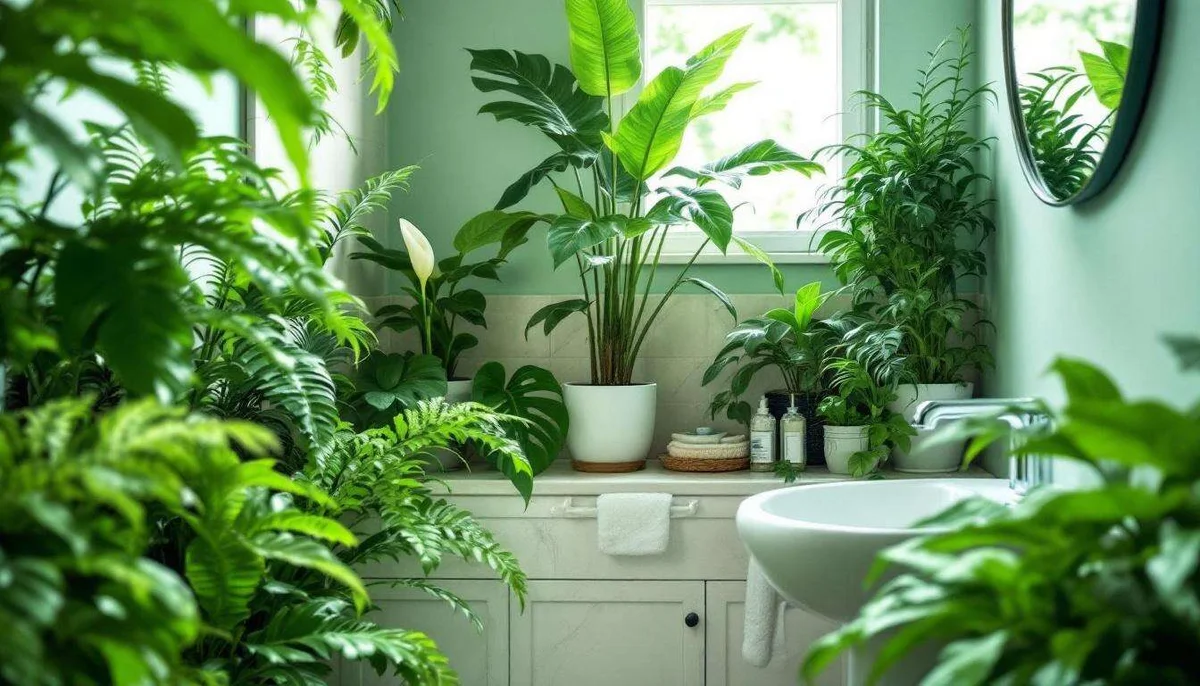
Windowless bathrooms pose significant challenges for many homeowners and renters. The lack of natural ventilation leads to moisture accumulation, creating an ideal environment for mold and mildew growth. This not only damages surfaces and joints but can also impact indoor air quality. Fortunately, certain plants possess remarkable abilities to regulate humidity levels while purifying the air. These plants offer a natural and aesthetic solution to transform a confined bathroom into a healthier and more pleasant space.
The Importance of Plants in Windowless Bathrooms
Challenges of Excessive Humidity
In a bathroom without windows, moisture from showers and baths accumulates rapidly. This high humidity creates conditions conducive to the growth of black mold on tiles, ceilings, and walls. These microscopic fungi release spores into the air, which can trigger allergies and respiratory issues for occupants. Persistent humidity also deteriorates building materials and often emits unpleasant odors.
The Regulating Role of Plants
Plants absorb ambient moisture through their leaves and roots in a process known as transpiration. Certain species are particularly effective at capturing excess water present in the air. In addition to regulating humidity, these plants filter out airborne pollutants and produce oxygen, thereby enhancing air quality. Their presence transforms a stark room into a vibrant and calming environment.
| Problem | Plant Solution | |-------------------------------|---------------------------------| | Excessive humidity (>70%) | Absorption through leaves | | Mold and fungi | Antifungal properties | | Stale air | Purification and oxygenation |
These natural capabilities make plants valuable allies in addressing the challenges of poorly ventilated bathrooms. Among the various species available, three stand out for their effectiveness.
Ideal Plants for Humidity Absorption
Selection Criteria for Light-Challenged Environments
Choosing plants for a windowless bathroom requires careful consideration. Selected species must tolerate low light conditions and thrive in a humid atmosphere. Their root systems should be able to handle consistently moist soil without developing rot. Additionally, resilience to temperature fluctuations is crucial, as these spaces often experience significant changes during use.
Common Characteristics of Hygrophilous Plants
Plants capable of absorbing humidity share several distinctive traits:
- Broad or numerous leaves that increase air exchange surface area
- Ability to thrive under artificial or indirect lighting
- Root systems adapted to humid environments
- Vigorous growth even in confined spaces
- Scientifically recognized air-purifying properties
These characteristics enable certain species to turn excess humidity into an asset for their growth. Let’s explore three particularly effective plants in this regard.
The Benefits of Chlorophytum in Humid Spaces
Overview of the Spider Plant
Chlorophytum, commonly known as the spider plant due to its cascading stolons, is one of the most resilient houseplants. Its long, ribbon-like leaves, often variegated with white or cream, form a dense and elegant tuft. This plant, native to South Africa, adapts remarkably well to challenging conditions, thriving in both neglect and low-light environments.
Absorption and Purification Capabilities
Chlorophytum excels at absorbing ambient moisture thanks to its abundant foliage. NASA studies have shown its ability to remove up to 90% of formaldehyde from the air within 24 hours. This plant also filters carbon monoxide and xylene, substances commonly found in cleaning products. Its robust root system stores water, allowing the plant to naturally regulate room humidity.
Remarkable Ease of Care
Chlorophytum requires minimal care, making it an ideal choice for beginners. A moderate watering schedule when the soil surface dries out is sufficient. The plant tolerates hard water and can survive occasional missed waterings. It easily propagates by dividing the offsets that appear on its stolons. Additionally, it thrives in temperatures ranging from 10 to 25 degrees Celsius, adapting well to the thermal variations of a bathroom. Beyond its practical qualities, chlorophytum is just one of the plant solutions available to improve your space.
The Purifying Power of Spathiphyllum
Characteristics of the Peace Lily
Spathiphyllum, also known as the peace lily, is notable for its elegant white bracts resembling flowers. Its large, glossy dark green leaves create a striking contrast with the pristine spathes. This tropical plant, native to Central America, thrives in humid, shaded environments, mirroring the conditions of its natural habitat beneath the forest canopy.
Effectiveness Against Mold
Spathiphyllum possesses natural antifungal properties that inhibit mold growth in its immediate environment. Its broad leaves absorb excess moisture while filtering out fungal spores present in the air. This plant also removes ammonia, benzene, and trichloroethylene, volatile compounds frequently found in bathrooms due to cosmetic and cleaning products.
| Pollutant | Elimination Rate | |------------------|------------------| | Ammonia | Up to 80% | | Benzene | Up to 75% | | Formaldehyde | Up to 85% |
Optimal Growing Conditions
Spathiphyllum flourishes under low to medium light, making it well-suited for bathrooms with only artificial lighting. The plant prefers consistently moist but not waterlogged soil. Regular watering with room-temperature water keeps its foliage lush. Leaves can be misted occasionally to increase local humidity and clean the leaf surface. However, caution is necessary as it contains calcium oxalate crystals, which can be irritating if ingested. After exploring the virtues of spathiphyllum, let’s turn to a third equally effective species.
The Antifungal Action of Boston Fern
Introduction to This Exceptional Fern
The Boston fern, or Nephrolepis exaltata, is admired for its arching, delicate fronds that create a spectacular green cascade. Its finely divided, tender green leaves add a touch of freshness and natural elegance. This fern, native to humid tropical regions, thrives in similar environments, making it an ideal candidate for bathrooms.
Exceptional Absorption Capacity
The Boston fern is among the most effective plants for absorbing atmospheric humidity. Its lush foliage and substantial leaf surface area allow it to capture up to 2 liters of water per day under high humidity conditions. This remarkable ability naturally regulates humidity levels, reducing the risk of condensation and mold on surfaces. The plant also filters formaldehyde and xylene, significantly improving air quality.
Natural Antifungal Properties
In addition to its dehumidifying action, the Boston fern contains natural compounds that inhibit the growth of fungi and bacteria. These substances create an unfavorable environment for mold development within several meters of the plant. This dual action, combining moisture absorption and antifungal effects, makes this fern a valuable ally in combating excessive humidity issues. Even with these remarkable plants, certain maintenance practices can optimize their effectiveness.
Care Tips for Plants in Humid Environments
Managing Watering and Drainage
Paradoxically, plants placed in a humid bathroom require careful monitoring of watering. Ambient humidity does not replace the need to water the soil, but it allows for spacing out water applications. Check the soil moisture by inserting a finger a few centimeters deep before watering. Effective drainage remains essential to prevent water stagnation at the pot's bottom, which could lead to root rot.
Suitable Artificial Lighting
In the absence of natural light, appropriate artificial lighting becomes crucial. Horticultural or full-spectrum LED bulbs replicate the wavelengths necessary for photosynthesis. Plan for 12 to 14 hours of lighting daily to maintain plant vitality. Position the light sources at an appropriate distance to avoid burning the foliage while providing sufficient intensity.
Regular Leaf Maintenance
Leaves can accumulate dust and soap residues that block stomata and reduce the plant's effectiveness. Regularly clean the foliage with a damp cloth or spray clear water. This practice enhances absorption and purification capacity. Remove yellowed or damaged leaves to encourage the growth of new shoots and maintain the plant's aesthetic appeal.
Moderate Fertilization
Plants in humid environments require less fertilizer than those grown under standard conditions. A diluted liquid fertilizer, applied once a month during the growth period, is sufficient. Over-fertilization can lead to mineral salt accumulation in the substrate, harming root health. Prefer organic fertilizers that release nutrients gradually.
- Check soil moisture before each watering
- Ensure optimal drainage with clay balls
- Maintain artificial lighting for 12 to 14 hours daily
- Clean foliage monthly
- Fertilize moderately during the growing season
Transforming a windowless bathroom into a healthy and pleasant space is possible through the introduction of specific plants. Chlorophytum, spathiphyllum, and the Boston fern offer natural and effective solutions for regulating humidity, combating mold, and purifying the air. These robust plants adapt to challenging conditions of limited light and high humidity while requiring minimal care. Their presence not only provides measurable functional benefits but also adds an aesthetic dimension that turns an architectural constraint into an opportunity to create a true green haven. Adopting these plants, along with appropriate maintenance practices, represents an ecological and sustainable approach to improving quality of life in these often-neglected spaces.