The Perils of Poor Olive Tree Pruning
Exploring the consequences of improper olive tree pruning and the importance of careful management in gardening.
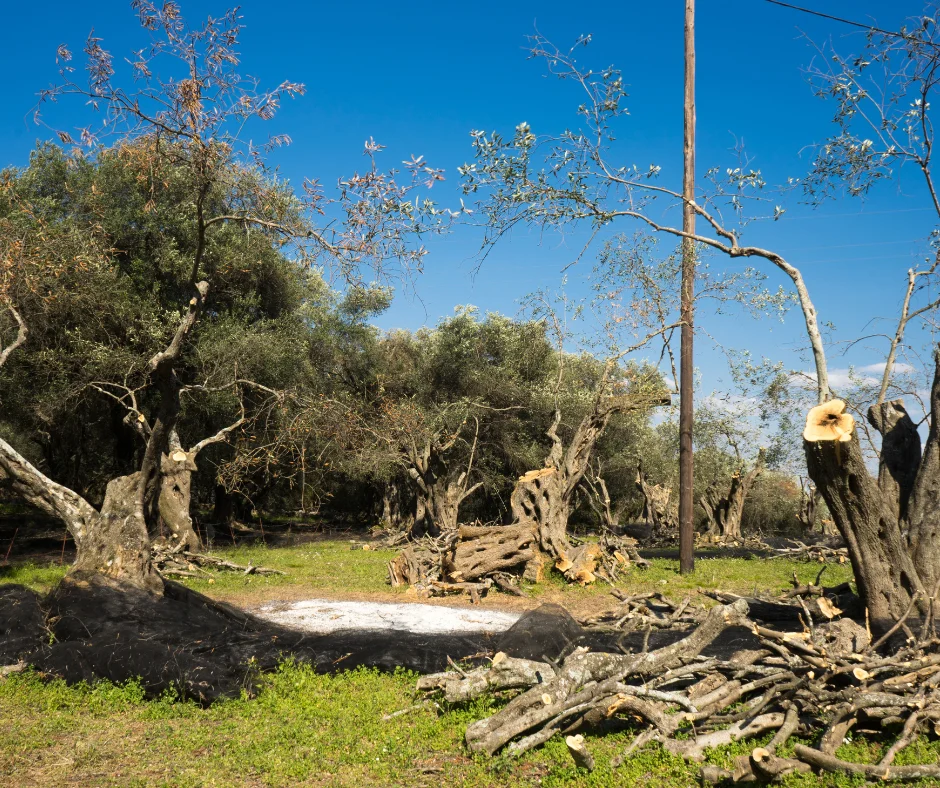
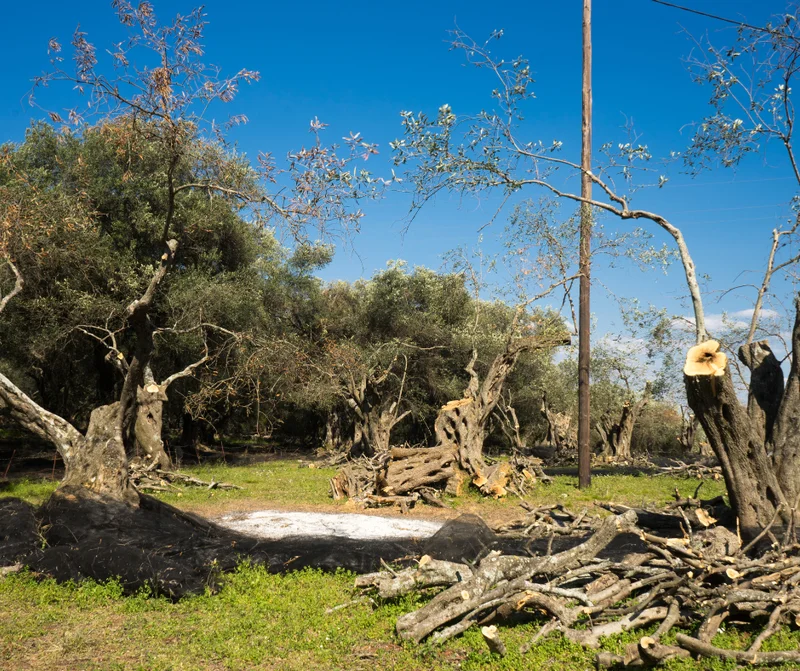
Scenes of mismanaged gardening can leave a lasting impression, not because they are rare, but rather due to their unsettling frequency. Recently, I visited an agriturismo in Chianti, a picturesque region known for its rolling hills and serene landscapes. Upon arrival, the beauty of the Tuscan countryside was palpable, with its stone walls and tranquil ambiance. However, my gaze shifted to the adjacent olive grove, and what I saw was disheartening.
The grove appeared ravaged, resembling the aftermath of a storm. Fallen branches littered the ground, and the trees themselves were left with harsh, jagged cuts made by chainsaws. Instead of a careful pruning, it seemed like a demolition had taken place.
When I inquired about the situation, the owner calmly explained that a team had come to rejuvenate the trees. This is where the misuse of terminology becomes detrimental. While terms like "reform" and "revitalize" can have valid meanings, they often mask poor practices, haste, and a lack of understanding about proper tree care.
The Real Issue: Not Pruning Too Much, But Pruning Incorrectly
It is essential to clarify that there are instances when a strong intervention is necessary for olive trees, especially those that have been neglected for years or have an unmanageable canopy. However, the key lies in whether such interventions are executed with a clear purpose.
From what I observed, the reasoning behind the drastic cuts was questionable. There is a significant difference between thinning a canopy to allow light and air to penetrate and hacking away with a chainsaw, leaving a battlefield behind. Poorly executed cuts can lead to severe long-term problems for the trees.
The Common Misconception: More Wood on the Ground Equals Good Work
One of the most widespread misunderstandings in gardening is the belief that a pile of branches on the ground indicates a job well done. Many property owners equate the amount of material removed with effort and success, mistakenly thinking that the value of the work increases with the volume of foliage cut.
In reality, the opposite is often true. A skilled pruner should be evaluated not by the amount of wood left on the ground but by the structure and balance of what remains on the tree. The hallmark of good pruning is the careful, strategic removal of branches to enhance the tree's health and appearance, rather than leaving behind a chaotic mess.
The Risks of Improperly Pruned Olive Trees
When an olive tree undergoes severe and poorly managed stress, it can lead to several adverse effects. The most immediate response is often a chaotic surge of new growth, with shoots that are tall, straight, and not conducive to a balanced canopy. While some may view this as a sign of recovery, it is frequently a mere survival mechanism.
Additionally, a tree that has been heavily pruned loses its orderly structure, necessitating more frequent interventions in the future. A drastic pruning intended to "fix everything at once" often results in the opposite effect: increased work, confusion, and the need for further corrections.
Moreover, large cuts pose significant challenges. The larger the wound, the longer and more complicated the healing process becomes, increasing the risk of creating weak points that are susceptible to disease.
There is also a less technical but equally important aesthetic concern, particularly in a setting like an agriturismo. An olive grove is not just a collection of productive trees; it embodies the identity of the location, contributing to its atmosphere, landscape, and perceived value. Poor treatment of these trees diminishes the character of the place, which is perhaps the saddest aspect of this scenario.
Revitalizing Does Not Mean Starting from Scratch
In gardening, there is often a misguided belief that renewal requires near destruction. This applies not only to olive trees but also to shrubs, hedges, and entire gardens. The notion that a drastic, definitive action is a sign of expertise is fundamentally flawed.
True rejuvenation involves guiding a plant towards a new equilibrium, understanding its form, limitations, and actual condition. It requires knowing what to keep, what to remove, and what to encourage, along with a significant amount of patience. Patience is a virtue in plant care, and it often goes unnoticed compared to the dramatic actions taken with a chainsaw.
Understanding Olive Tree Biology
Olive trees possess their own biology, response capabilities, and architecture. They are resilient and robust, which can lead some to overestimate their tolerance to harsh treatments. Just because an olive tree can regrow does not mean it should be subjected to indiscriminate cutting.
Survival does not equate to the quality of care. Even a person can endure poor treatment, but that does not justify the method. The correct question is not whether the tree will regrow, but whether it will do so in a way that fosters a healthy, balanced, and aesthetically pleasing plant in the years to come.
The Impact of Poor Pruning in Agritourism
In an agriturismo, the management of green spaces is particularly crucial. Visitors seek an authentic, harmonious, and vibrant landscape that reflects a connection to the land. A poorly maintained olive grove tells a story of haste and insensitivity, contrasting sharply with the rural hospitality that such establishments aim to provide.
While not every agriturismo needs to be a living manual of arboriculture, the way in which trees, soil, water, and green spaces are managed speaks volumes about the establishment and often communicates more than brochures ever could.
Recognizing Proper Olive Tree Pruning
For those unfamiliar with gardening, it can be challenging to discern a competent pruning job. When faced with a team equipped with tools and technical jargon, it is easy to trust their expertise without question.
However, here are some simple guidelines: a well-executed pruning does not aim to empty the tree but rather to provide balance. It should focus on creating a readable structure without multiplying large cuts unnecessarily. A good pruner recognizes that not all trees are the same and considers the future growth of the plant.
Most importantly, a good pruning job should not leave the impression that the tree has been punished. A healthy tree should still look like a tree, not a stump waiting for a miracle.
Questions to Ask Before Pruning Your Olive Trees
If you own trees, whether ornamental or fruit-bearing, it is wise to ask some questions before any work begins. Inquire about the goals of the intervention, how the tree will change over the next few years, whether large cuts are anticipated and why, and whether the pruners consider each plant individually. Most importantly, ask whether their aim is to simplify the tree or to amputate it.
Observe how they discuss the trees. Those who work well will not refer to "cleaning up" as if they were merely tidying a storage room. Their language will be more precise, respectful, and aligned with the reality of the plant.
The Impact of Correct vs. Incorrect Pruning
Reflecting on my experience in Chianti, it is evident that there is a persistent tendency to equate violence with effectiveness. This misconception permeates not only pruning but also garden management and many other areas.
People often believe that resolving issues requires a harsh, decisive action. Nature, however, reminds us that shortcuts come at a price. Good gardening is more about observation than force, understanding rather than domination, and guiding rather than indiscriminately cutting.
A proper olive tree pruning does not elicit the reaction of "wow, look at how much they removed"; it leads to the realization years later that "these trees are thriving." This distinction is monumental.
Key Takeaways
In summary, drastic pruning rarely makes sense except in specific cases and even then only in the hands of skilled practitioners. Simply removing large amounts of foliage does not guarantee good results and often leads to stress, chaotic regrowth, unnecessary wounds, and further disorder.
Olive trees are indeed resilient, but that does not justify reckless treatment. When in doubt, focus less on the quantity of branches on the ground and more on the quality of the structure left on the tree. That is where the true understanding lies.
If you have witnessed horrific pruning practices on olive trees, fruit trees, or ornamental trees, I encourage you to share your experiences. Unfortunately, I fear that such an archive would be far too extensive.